
In recent years, the skies over New Jersey have seen an increasing presence of drones. These unmanned aerial vehicles (UAVs) have revolutionized various industries by providing new perspectives and capabilities. From commercial applications to personal use, drones are becoming an indispensable tool. This article explores the opportunities and challenges associated with drone technology in New Jersey, focusing on its diverse applications and the implications of its widespread adoption.
Commercial Uses of Drones in New Jersey
Drones have opened up numerous commercial opportunities in New Jersey. Businesses in industries like construction, real estate, and agriculture are leveraging drones for their aerial capabilities. In construction, drones are used for site surveying and inspections, thus improving accuracy and efficiency. Real estate agents benefit from using drones to capture stunning aerial views of properties which enhance marketing strategies and attract potential buyers. Additionally, farmers employ drones to monitor crop health and manage resources efficiently, resulting in increased yields and reduced costs.
Environmental Monitoring and Conservation
Drones also play a crucial role in environmental monitoring and wildlife conservation in New Jersey. UAVs equipped with cameras and sensors can track environmental changes, monitor wildlife without disturbing natural habitats, and even identify areas prone to erosion or flooding. This technology allows for more informed decision-making when it comes to conservation efforts and environmental protection.
Personal Applications and Limitations
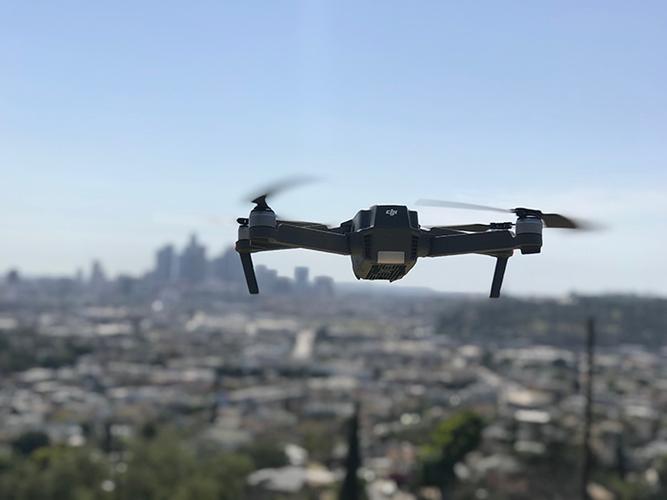
With the affordability and accessibility of drones, personal and recreational use has surged. Enthusiasts use drones for photography, racing, and exploration. However, this has brought challenges in terms of privacy concerns and airspace regulations. Drone operators must comply with the Federal Aviation Administration (FAA) regulations, which include restrictions on flying near airports or densely populated areas. Privacy is another significant concern, as personal drones equipped with cameras can inadvertently invade personal space, leading to legal implications.
Regulatory Landscape
Navigating the regulatory landscape in New Jersey can be challenging for drone operators. The FAA has established guidelines to ensure the safe operation of drones, including requirements for registration and restrictions on where and when drones can be flown. New Jersey-specific regulations may also apply, especially in areas with heightened security concerns or sensitive wildlife habitats. Operators must stay informed and comply with these regulations to avoid legal penalties.
Technological Advancements and Innovations
Drones are continuously evolving, with advancements in technology paving the way for innovative applications. Improved battery life and enhanced stability are making drones more reliable for various tasks. Integration with AI and machine learning enables drones to perform complex functions such as autonomous flight, obstacle avoidance, and data analysis, further broadening their potential uses across various sectors.

The future of drones in New Jersey is promising, with continued developments expected to enhance their utility while addressing challenges related to regulations and ethics. Stakeholders must collaborate to harness the benefits of drones while mitigating potential risks to privacy and safety.
FAQs
What legal requirements must I meet to operate a drone in New Jersey? Drone operators must register their drones with the FAA and comply with regulations regarding airspace restrictions, flight safety, and privacy considerations.
How do drones contribute to real estate marketing? Drones provide unique aerial perspectives that enhance property listings by showcasing the landscape and location, thereby attracting more potential buyers.
Can drones be used for environmental protection? Yes, drones can monitor environmental changes and wildlife, providing valuable data for conservation efforts without disturbing natural habitats.