
In recent years, the landscape of warfare has been drastically altered by the advent of war drones. These unmanned aerial vehicles, commonly referred to as drones, have become key players in military strategies across the globe. The evolution of drone technology has brought about a revolution in how warfare is conducted, shifting traditional tactics to more modern, drone-centric approaches. As the pace of technological advancements continues to accelerate, so too does the reliance on these sophisticated machines.
The Rise of War Drones
War droneshave been integrated into military forces worldwide, offering a myriad of advantages that were previously unavailable. Drones are capable of performing a wide range of tasks, from reconnaissance missions to aerial assaults. Their ability to operate without putting human lives directly at risk makes them invaluable in conflict zones. Additionally, drones can remain airborne for extended periods, gathering intelligence and providing real-time data to military commanders.
The use of drones is not limited to offensive operations; they also play a crucial role in defense. Surveillance drones can monitor borders and detect threats long before they affect a country’s security, allowing for preemptive actions to safeguard national interests. Moreover, the data collected by these drones is critically analyzed to refine military strategies and better prepare for future engagements.
Impact on Modern Warfare Tactics
War drones have fundamentally reshaped modern warfare tactics. One of the most significant changes is the shift from manned missions to remote operations, reducing the risk to human life and enabling military personnel to manage numerous drones simultaneously from a safe distance. This transition has also allowed for more precise strikes on enemy targets, minimizing collateral damage and maximizing mission efficiency.
The integration of drones into military arsenals has led to the development of strategies that prioritize speed and agility. Drones can be deployed quickly and efficiently, striking targets before they have the chance to retaliate or relocate. This capability grants military forces a tactical edge, allowing them to disrupt enemy operations without warning.
Technological Advancements
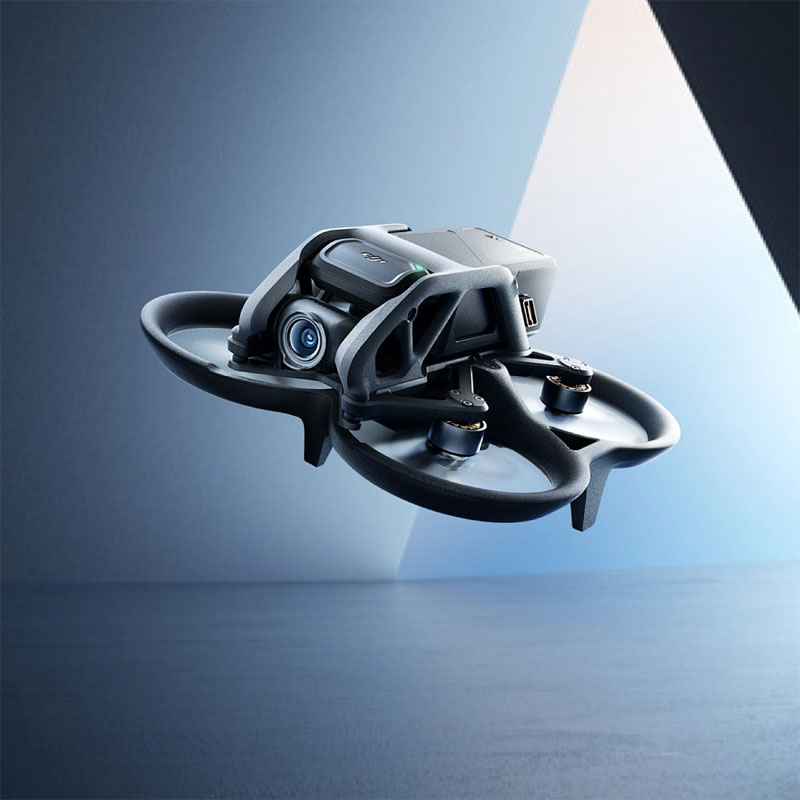
The technology behind war drones is constantly evolving, with advancements enhancing their capabilities and effectiveness. Drones are now equipped with sophisticated sensors and cameras that provide high-resolution imagery, vital for intelligence gathering and tactical planning. Additionally, developments in autonomous flying and AI-driven decision-making are on the horizon, promising even greater advancements in drone warfare.
These technological leaps are complemented by innovations in drone weaponry. From laser-guided missiles to precision artillery, drones are now armed with an array of offensive capabilities that can be tailored to specific missions. As a result, drones are often the preferred choice in scenarios where minimizing human presence is paramount.
Challenges and Limitations
Despite their numerous benefits, war drones do face challenges and limitations that must be addressed. One of the primary concerns is the potential for technological glitches or hacking attempts, which could compromise missions or lead to unintended consequences. Ensuring the security and reliability of drone systems is crucial to maintaining their utility.
Another challenge is the ethical implications of drone warfare. The ability to wage war from a distance raises questions about accountability and the moral responsibilities of those controlling drones. As legislation catches up to technological realities, these issues must be carefully considered and addressed to ensure responsible drone usage.
Conclusion
War drones have undeniably transformed the dynamics of modern warfare, paving the way for new strategic considerations and operational efficiencies. As technology continues to advance, the role of drones in military operations is likely to become even more prominent. Despite the challenges, drones offer unparalleled advantages that are reshaping conflict resolutions worldwide.
In conclusion, the integration and development of war drones are critical in adapting to the ever-changing landscape of global conflicts.
FAQ:
Q: What makes drones a preferred choice in military operations?
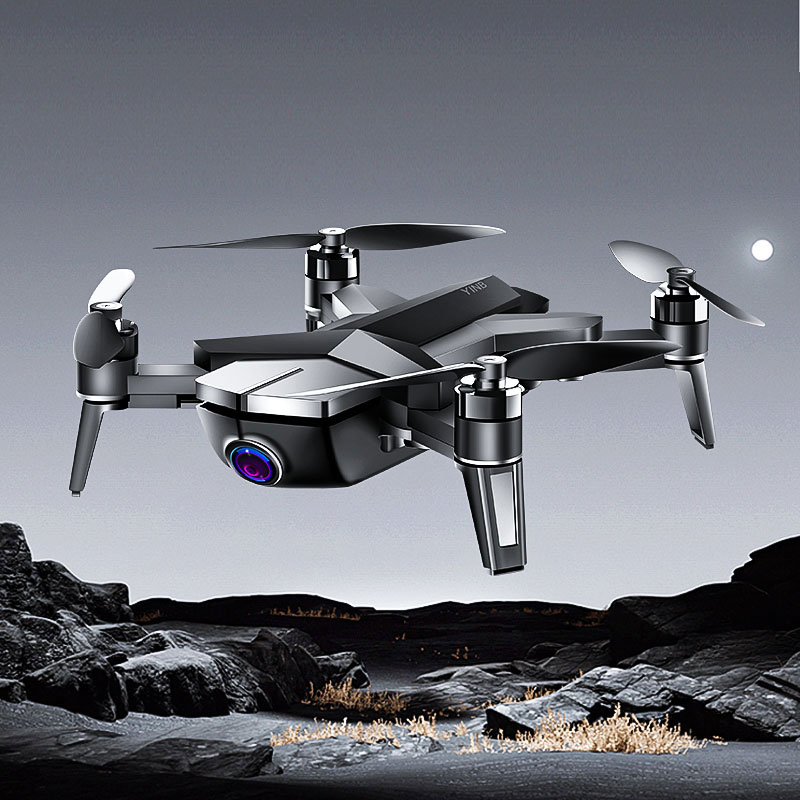
Drones offer precision, reduced risk to human life, and advanced technological capabilities, making them ideal for various military missions.
Q: How do drones minimize collateral damage?
Drones’ precision in targeting allows for accurate strikes, reducing the chance of affecting unintended targets and minimizing collateral damage.
Q: What risks are associated with drone warfare?
Challenges include the potential for hacking, technological failures, and ethical concerns related to remote warfare operations.