
A recent ban on DJI drones has created significant ripples throughout the global drone industry. DJI, a leading manufacturer of drones, has been central to the industry’s growth and technological advancement. The implications of this ban are far-reaching, affecting manufacturers, consumers, and businesses alike.
Understanding the Ban on DJI Drones
The ban stems from concerns regarding data security and privacy. DJI drones, which have widespread usage across various sectors, including agriculture, photography, and surveillance, have been scrutinized for potential security risks. This scrutiny has led to regulatory actions, predominantly in the USA and other countries considering similar measures.
Consequences for Manufacturers and Competitors
For other drone manufacturers, this ban could serve as an opportunity to capture the market share previously dominated by DJI. Companies with strong privacy and data protection protocols might see increased demand for their products. As the competition intensifies, innovation becomes crucial, pushing brands to enhance features and capabilities to meet diverse consumer needs.
Impact on Consumers and Industries
DJI drones are favored for their reliability and advanced technology. The ban creates a vacuum, retracting the availability of well-trusted drones in the market. Industries heavily reliant on these drones, such as real estate and media production, may face operational challenges, forced to reevaluate contracts and look for alternatives. This transition might involve training for new drones, additional costs, and temporary disruptions in workflow.
Technological and Economic Ramifications
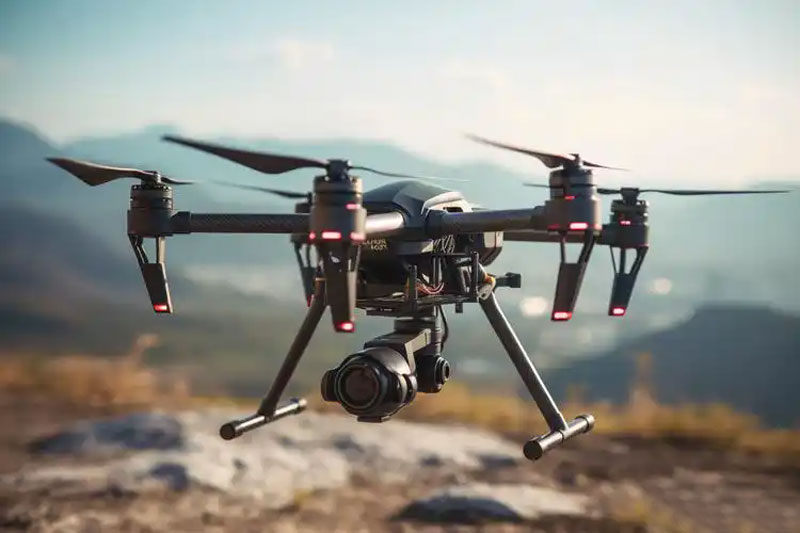
Technologically, the ban is a catalyst for rapid innovation among drone manufacturers striving to fill the gap left by DJI. It accelerates research in improved AI integration, enhanced battery life, and stronger data encryption practices. Economically, although competitors might benefit from increased sales, the sudden policy shift might lead to widespread layoffs and financial losses in companies closely tied to DJI’s ecosystem, demonstrating the ban’s double-edged impact.
Future Prospects and Regulations
Regarding regulatory frameworks, many governments are expected to increase scrutiny and standards for drone technology, prioritizing consumer safety and national security. Such measures might lead to standardization across the industry, potentially benefiting consumers with safer and better-regulated products.
FAQ: The Global Reaction
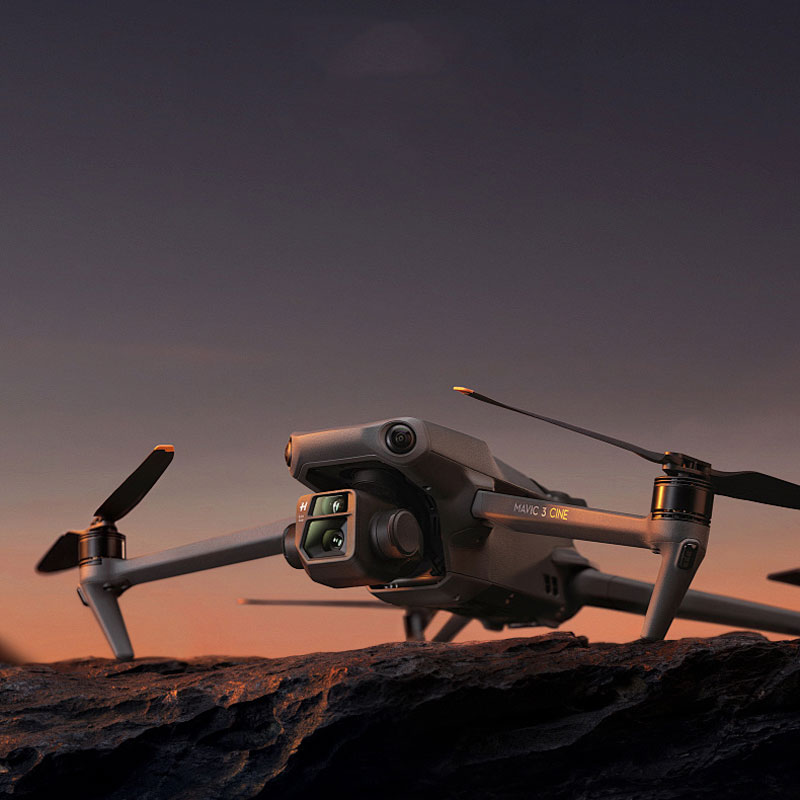
Q: Which countries are most affected by the DJI drone ban?
A: Primarily, the United States has enforced the ban, influencing other nations to reconsider their own regulations. Countries heavily relying on DJI technology in defense and infrastructure might experience significant impacts.
Q: Are there viable alternatives to DJI drones?
A: Yes, numerous companies such as Parrot, Autel Robotics, and Skydio are emerging as alternative options, focusing on robust security measures and competitive technology.
Q: How do these regulatory changes affect the innovation landscape?
A: The changes encourage companies to innovate aggressively, fostering advancements in AI, flight technology, and security, aiming to address the limitations exposed by the ban on DJI drones.