
In recent years, the utilization of drones as first responders in emergency services has radically transformed the way crises are approached. As technology advances, drones become increasingly integral to quick and efficient responses in catastrophic situations, enhancing the capabilities of emergency personnel and saving lives when every second counts.Drone Applications in Emergency Situations
Once constrained to military and recreational activities, drones have proven themselves invaluable in the realm of emergency services. These unmanned aerial vehicles (UAVs) can swiftly reach areas that are difficult for traditional emergency vehicles to access, deliver critical supplies, and provide real-time data to aid decision-making processes. Thanks to their flexibility and maneuverability, drones are pioneering within the modern emergency response landscape.
Real-time Surveillance and Monitoring
Drones equipped with high-resolution cameras offer real-time aerial surveillance, allowing responders to assess situations rapidly and accurately. For instance, in natural disasters like wildfires or floods, drones can survey vast areas of land much faster than ground teams. This technology enables swift adaptation to the ever-changing conditions within disaster zones and helps in planning effective strategies for intervention. The power of real-time data cannot be underestimated as it provides responders with current and actionable intelligence to tackle emergencies efficiently.
Rapid Medical Supply Delivery
Another groundbreaking use of drones is their ability to deliver medical supplies to remote or inaccessible locations. During health crises where infrastructure might be compromised, drones can fly over obstacles, delivering essential medications, vaccines, or even automated external defibrillators (AEDs). This has proven life-saving in situations where road transport is delayed or hindered by geographical barriers.
Furthermore, drones equipped with thermal imaging cameras can locate individuals in distress who might be otherwise hidden from view in wreckage or dense foliage. The ability to see beyond the visible spectrum allows emergency teams to locate missing persons more efficiently and increases the chances of successful rescues.
Communication Platforms in Isolated Areas
Drones also serve as communication platforms through which emergency responders can relay information and updates in areas where traditional communication networks may be down or overloaded. By establishing temporary network connectivity, drones help maintain vital lines of communication between affected areas and emergency coordination centers, ensuring that crucial information gets through when most needed. Challenges and Considerations
Despite their capabilities, using drones as first responders come with challenges that must be addressed. Regulatory standards for drone operations need adaptation to accommodate emergency use cases, ensuring safety and privacy. Furthermore, operational limitations such as flight duration, weather susceptibility, and payload capacity must be continually improved to fully realize the potential of drones in emergency scenarios. Looking to the future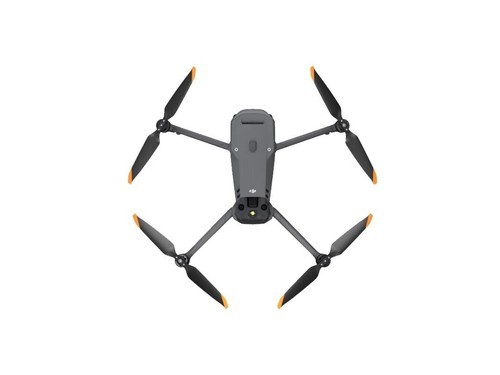 , ongoing advancements in drone technology promise to further optimize their role in emergency services. The incorporation of artificial intelligence will enhance autonomous decision-making, increasing efficiency in uncharted territories. Moreover, investment in training emergency personnel to operate drones professionally is crucial for maximizing their potential impact.
 While drones significantly enhance the capabilities of emergency services, they cannot completely replace human responders. Their role is primarily supportive, providing aerial perspectives, delivering supplies, and assisting with navigation or communication where it might be otherwise impaired. How reliable are drones in adverse weather conditions? Technological advancements are continually improving drone performance in challenging weather conditions, but at present, extreme weather can still limit their flight capabilities. What steps are being taken to ensure privacy during drone operations? Stringent regulations and protocols are being established to ensure that data captured and transmitted by drones comply with privacy standards, maintaining confidentiality and protecting individual rights.