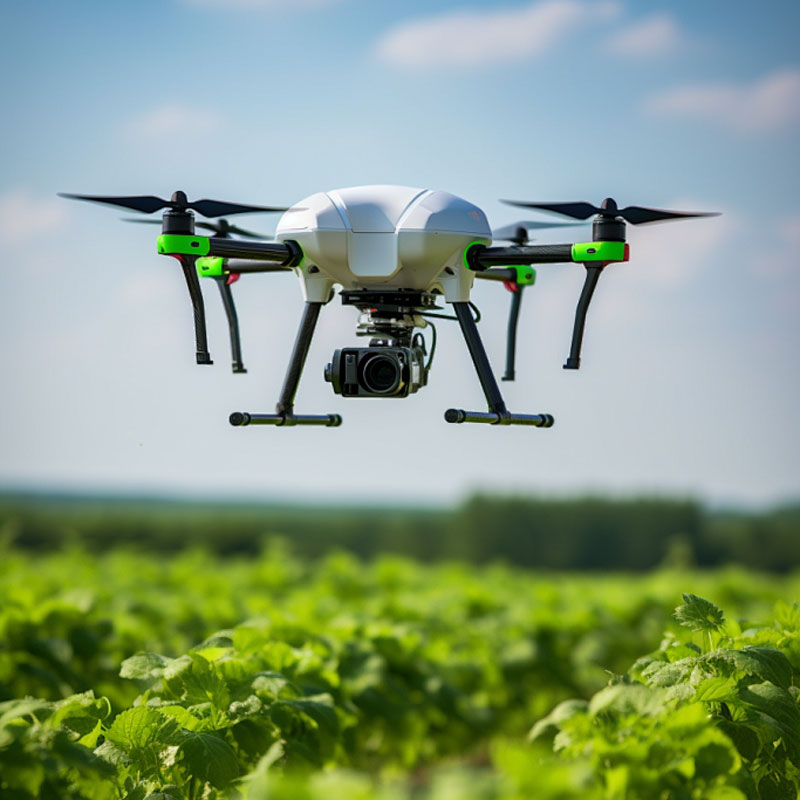
To comprehend the impact of cargo drones, one must first understand their technology. At their core, cargo drones are equipped with rotors, similar to helicopters. They are often powered by batteries, which makes them eco-friendly compared to conventional delivery vehicles. Their navigation systems are powered by GPS technology and are also integrated with advanced sensors for obstacle detection and collision avoidance. This sophisticated technology ensures that the drones can deliver cargo safely and reliably even in crowded urban environments. The applications of cargo drones are as diverse as they are impactful. In the commercial sector, they are being trialed for delivering consumer products from e-commerce giants directly to consumer doorsteps. By employing cargo drones, companies can significantly cut down on delivery times and offer same-day or even same-hour deliveries. In remote and rural areas, cargo drones bridge gaps in infrastructure, delivering essential goods like medicines and food supplies where road access may be challenging. Furthermore, using cargo drones reduces the carbon footprint, aiding companies in reaching their sustainability goals. The potential advantages, such as operational cost reduction, speed, and environmental benefits, are prompting industries worldwide to adopt this breakthrough technology. Why the Buzz Around Cargo Drones? Despite the excitement surrounding cargo drones, certain challenges still impede their widespread adoption. Regulations and airspace management remain two significant hurdles. Governments across the world are grappling with integrating drones into air traffic safely. Furthermore, privacy concerns and the potential misuse of data collected by drones are issues that industries and regulators are actively addressing. Nevertheless, companies and policymakers continue to pursue solutions, showing promise in the gradual facilitation of safe integration into daily life. The future of cargo drone technology looks bright as research and development continue to advance. Companies are exploring innovations such as increasing payload capabilities, extending battery life, and enhancing autonomy for beyond visual line-of-sight (BVLOS) operations. With countries beginning to develop drone-friendly policies, it signifies potential exponential growth in this sector. In the future, cargo drones might even become a standard method for transporting heavier goods, revolutionizing the traditional logistics strategy. In areas ravaged by disasters, where traditional infrastructure is compromised, cargo drones play a crucial role. They provide swift delivery of essential medical supplies, food, and communication equipment. Various non-governmental organizations (NGOs) are already utilizing this technology, leading to life-saving interventions and increased resilience in affected areas. This application is not only emblematic of the technology’s utility but also exemplifies its ethical advantages. Indeed, cargo drones continue to break boundaries and redefine how we perceive transport and delivery logistics. However, like any technological revolution, ongoing assessments of ethical implications, regulations, and sustainable practices are essential to harness the full potential of these innovations.Applications and Advantages
The Road Ahead for Cargo Drones
Drone Use in Humanitarian Aid
Cargo Drone FAQ
 How far can cargo drones travel? Current models can travel distances of up to 100 kilometers, although technological improvements are ongoing.
Are cargo drones environmentally friendly? Yes, many cargo drones run on electric batteries, thus reducing carbon emissions.
What regulations apply to cargo drones? Regulations vary by country, but typically involve safety protocols, airspace integration, and privacy considerations.}
Revolutionizing Delivery: The Future of Cargo Drone Technology
