
Key Factors Affecting Agriculture Drone Price
- Type and Purpose of Drone: The most significant influence on agriculture drone price is the model type. Entry-level drones for simple crop monitoring can cost a few hundred dollars, whereas sophisticated models designed for pesticide spraying, multispectral imaging, or mapping can range upward into several thousands of dollars.
- Payload Capacity:
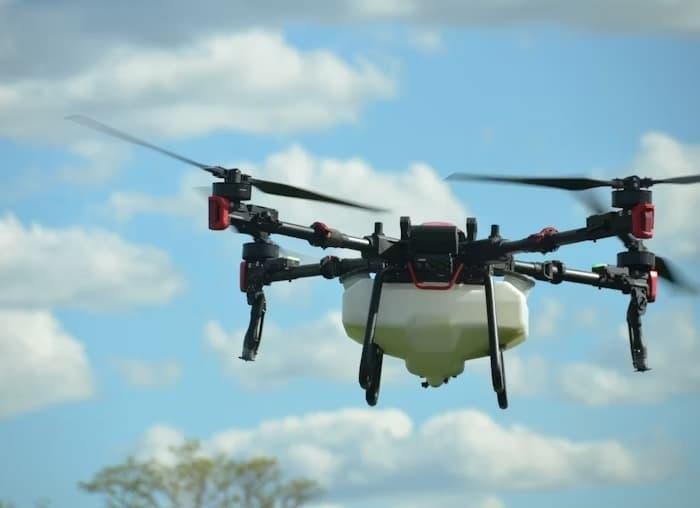 The payload—meaning how much weight the drone can carry, particularly with battery and equipment—dictates not just functionality but also price. Spraying drones often need larger tanks and more powerful rotors, directly impacting the price tag.
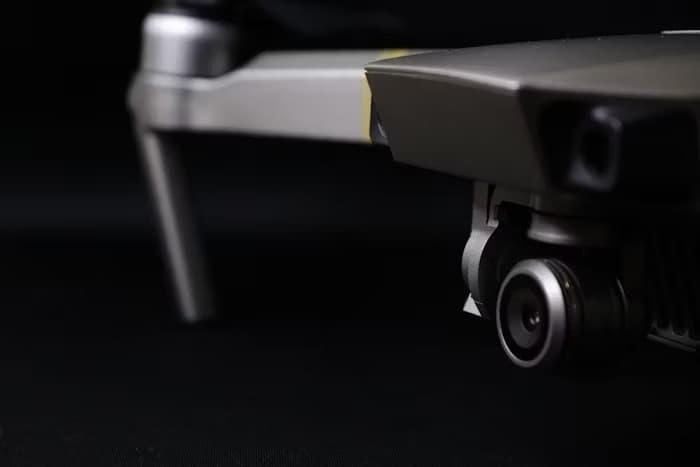
 - Camera and Sensor Quality: Precision agriculture drones often use high-resolution cameras and advanced sensors, such as thermal imaging, NDVI, and lidar systems. These features contribute to greater accuracy but also elevate agriculture drone price due to added technology costs.
- Battery Life and Endurance: Longer operational times between charges or swappable battery systems—crucial for larger farms—increase both capability and cost.
- Flight Range and Autopilot Features: Drones with extended range and advanced GPS or autonomous flight programming offer greater efficiency but also command higher prices.
- Brand and Warranty: Leading manufacturers often provide better support, regular software updates, and stronger warranties, all of which can justify higher agriculture drone prices but give peace of mind to the buyer.
- Customization: Some farms need specialized modifications for their terrain or crop type, such as custom spray systems or mapping software integrations. These bespoke add-ons increase the overall investment.
Regional Price Differences
Where you buy the drone is also a key element in determining price. Import taxes, regulatory requirements, and distribution channels differ from region to region, directly influencing the final cost. For example, buyers in North America or Europe may face higher prices due to strict certification rules and higher labor costs, while in regions with emerging markets, agriculture drone price may be lower due to local manufacturing and reduced taxes.
How to Save on Agriculture Drone Costs
Understanding how to optimize costs without sacrificing essential features is vital for any farm manager or agribusiness owner. Here are some actionable strategies:
- Assess Actual Needs:
 Begin by evaluating the scope of your farming operation. Do you need a drone for basic crop observation or is advanced spraying required? Only pay for features and capacity you truly need.
 - Compare Different Models: Don’t settle for the first agriculture drone you see. Research at least three models, considering both initial investment and ongoing operating costs such as maintenance, battery replacements, and software subscriptions.
- Seek Bundled Offers: Some suppliers offer package deals, including training, accessories, and maintenance contracts. These can provide significant savings over purchasing each element separately.
- Consider Refurbished Drones: Refurbished agricultural drones can offer most of the functionality of new units at a fraction of the price. Just ensure they come with a reliable warranty and certification.
- Seasonal Discounts and Promotions: Manufacturers and distributors sometimes offer special deals during trade shows, agricultural expos, or at end-of-season sales. Sign up for newsletters or follow industry news for announcements.
- Bulk Purchasing for Cooperatives: If you’re part of a farming cooperative, pooling resources to buy multiple units can reduce per-drone costs and bring added negotiating power with suppliers.
Evaluating Total Cost of Ownership
It’s tempting to focus just on the sticker agriculture drone price, but savvy buyers always compute the total cost of ownership. This includes not only purchase price but also ongoing expenses: insurance, training for operators, software upgrades, maintenance, and spare parts. For example, buying a cheaper drone that requires frequent repairs may end up costing more in the long term than investing in a durable, well-supported model. Always request an itemized breakdown and analyze warranty coverage to avoid unexpected expenses.
Long-Term Value and ROI
Tools like drones may seem expensive upfront, but their capacity to reduce labor costs, increase crop yields, and improve resource use often generates excellent returns within the first few years. Make sure your purchase aligns with your projected farm expansion and future technology integration. For large-scale farms, investing in higher-end drones can unlock additional efficiencies, whereas smaller farms may see best value in reliable mid-range models.
Current Trends Affecting Agriculture Drone Price
Advancements in drone technology—such as artificial intelligence, machine learning (ML) for pest detection, and real-time data transmission—can lead to higher prices as these features enter the mainstream. Meanwhile, increasing competition among manufacturers may bring more affordable entry-level models to market. Environmental regulations are also influencing prices, as compliance with chemical spraying laws often demands enhanced safety and recordkeeping features.
Making the Most of Your Investment
Once you’ve selected the right drone at the right price, focus on maximizing value through best practices. Regular maintenance and software updates keep your equipment reliable. Consider training sessions for all operators to prevent costly mistakes or damage. Join user forums or industry groups to stay updated on new features and troubleshooting tips, ensuring your drone remains at optimal performance over its lifespan.
Conclusion: Smart Purchasing for Modern Farms
If you approach buying with diligence—balancing features, reliability, and overall cost—an agriculture drone can become a transformative asset. Always seek thorough product evaluations, and remember that the lowest agriculture drone price isn’t always the best deal if future costs outweigh initial savings. Prioritize quality, suitability, and total value for your unique operation.
FAQs about Agriculture Drone Price
- Why do agriculture drones vary so much in price?
- Agriculture drone price differences stem from technology levels, payload capacity, camera and sensor options, and unique application needs. Features such as autonomous flight and AI-based analysis add significant value but also cost.
- Can buying a more expensive drone save money in the long run?
- Often yes. Durable drones with robust warranties typically experience fewer malfunctions, reducing repair and downtime costs, and allowing faster performance and better data quality, which can increase yields and lower inputs.
- Are refurbished agricultural drones reliable?
- Refurbished models, when sourced from trusted dealers who provide warranties and certification, can be highly reliable and offer substantial savings. Always check for comprehensive after-sales support.