
Flying a drone can be an exciting experience, but for beginners, maneuvering in various directions might be a challenge. This is where the headless mode feature becomes invaluable. Understanding this mode can significantly enhance your drone flying experience.
What is Headless Mode on a Drone?
Typically, a drone has a designated front and back, much like a car. In headless mode, however, the orientation of the drone is independent of its actual front direction. Instead, the drone responds directly to the pilot’s directional input, based on the controller’s perspective. This means if you push the control stick forward, the drone will move away from you, regardless of its physical orientation.
Why Use Headless Mode?
Headless mode is particularly beneficial for new drone operators who are still adapting to the nuances of flying. It simplifies control and helps avoid confusion, especially when the drone is far away, where distinguishing its front can be difficult. Moreover, it is advantageous for specific applications like aerial photography, where focusing on capturing the perfect shot is more important than precise navigation.
Advantages of Headless Mode
- Simplified Controls: Once activated, you don’t need to worry about the drone’s orientation.
- Ease of Use: Ideal for beginners who find traditional modes overwhelming.
- Improved Focus: Allows photographers and videographers to concentrate on composition without worrying about turning the drone.
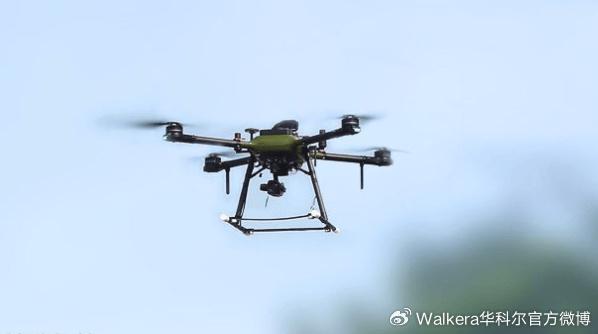
Drone Navigation Made Easy
Consider yourself a novice pilot, eager to explore and capture stunning visuals. The freedom offered by headless mode can make the learning curve considerably less daunting. Many popular drones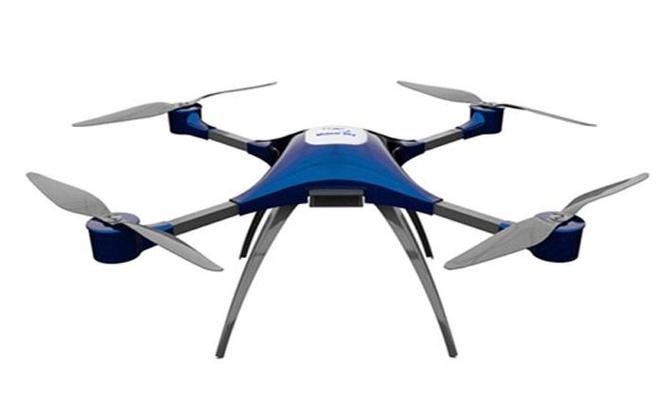 incorporate this feature, making it especially appealing for those new to flying.
How to Activate Headless Mode?
Activating headless mode is relatively straightforward. Most drones have a simple toggle function, either on their body or within the remote controller’s settings. Check your specific drone’s instructions for precise details. Remember, while beneficial, it’s good practice to also learn traditional flying skills for a comprehensive understanding.
Potential Drawbacks
While headless mode offers simplicity, it might not be suitable for all scenarios. Advanced pilots may prefer conventional flying to perform acrobatic feats or navigate complex environments where precise control is required. Additionally, relying solely on headless mode could limit skill development in understanding relative orientations.
FAQ
Q: Does headless mode impact battery life?
A: No, headless mode does not affect battery consumption. It purely adjusts how the drone interprets inputs.
Q: Can advanced maneuvers be performed in headless mode?
A: While possible, headless mode is intended for ease, not complex flying techniques. Traditional modes are better for advanced operations.
Q: Is headless mode safe to use indoors?
A: Yes, it’s safe. However, always ensure the environment is clear to avoid obstructions during flight.
Embracing headless mode can ease the transition into drone flying, offering new enthusiasts an opportunity to focus more on creativity rather than complex navigation.
By understanding its features and limitations, pilots can enrich their aerial ventures.