
Drones have revolutionized various industries, offering new opportunities in photography, surveying, and delivery services. Obtaining a drone pilot license opens up a world of possibilities, empowering enthusiasts and professionals alike to reach new heights in their pursuits. In this guide, we will delve into the essential steps and requirements for obtaining your drone pilot license, ensuring you are equipped with the knowledge to navigate this exciting field.
Understanding the Importance of a Drone Pilot License
With the growing popularity of drones, regulations have become increasingly stringent to ensure airspace safety and privacy protection. A drone pilot license is not only mandatory for commercial drone operations but also beneficial for hobbyists who want to hone their skills and gain credibility. Understanding the legalities and requirements is essential to avoid penalties and make the most of drone technology.
Steps to Obtain a Drone Pilot License
- Research the Regulatory Body:
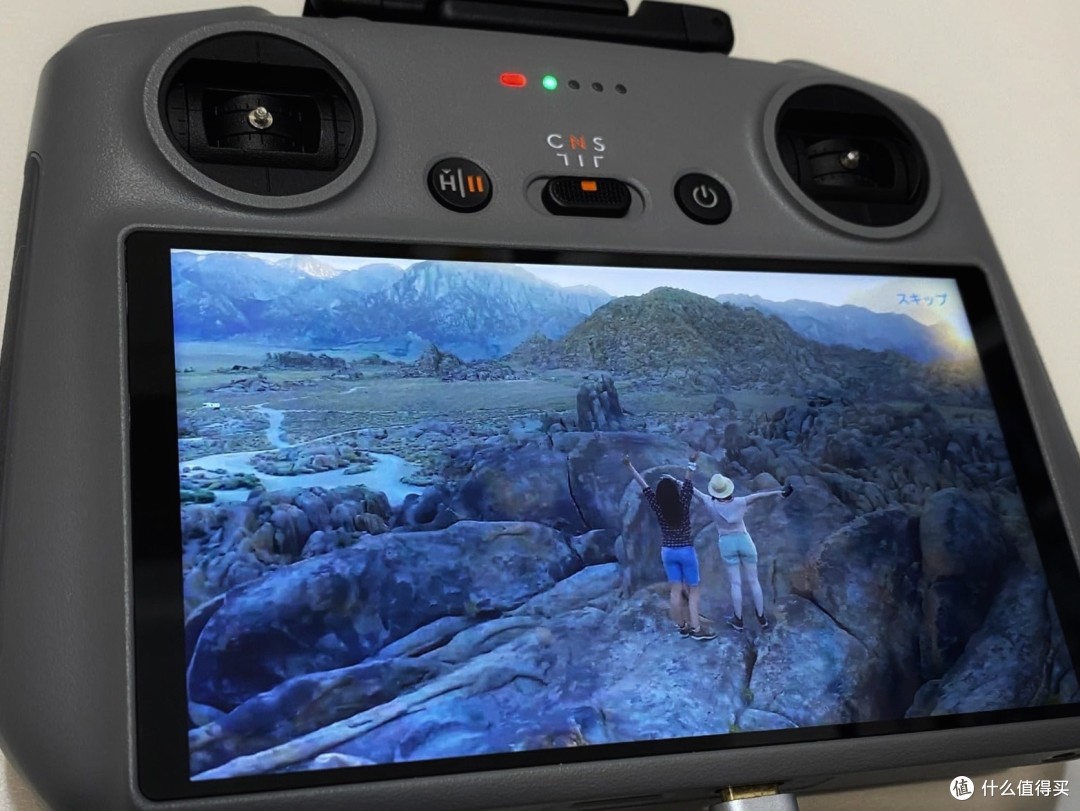 In most countries, the aviation authority governs drone operations. Understanding their guidelines and requirements is a crucial first step.
 - Enroll in a Training Program: Many organizations offer courses that cover the technical and practical aspects of drone piloting. These programs often include flight training and safety regulations, providing you with the skills needed to succeed.
- Pass the Licensing Exam: Upon completing your training, you’ll need to pass a written examination that tests your knowledge of airspace regulations, drone operation, and safety protocols.
- Understand Airspace Classifications: Part of your training will include learning about different airspace categories and restrictions, ensuring safe and legal operations.
- Register Your Drone: Depending on the country, you may need to register your drone(s) with the appropriate aviation authority. This step is crucial for accountability and tracking purposes.
Benefits of Having a Drone Pilot License
Holding a drone pilot license not only enhances your credibility in the field but also expands your potential for career advancement. Licensed pilots have access to a larger network, including opportunities in real estate, agriculture, cinematography, and more. Additionally, professional networks and forums often offer exclusive opportunities for licensed individuals, furthering your career and business prospects.
Drone Pilot License Renewal and Continuing Education
Drone technology and regulations are continually evolving, making it essential for pilots to stay informed and compliant. Regular renewal of your license ensures your operations remain legally sound, while supplemental training keeps you updated with the latest industry trends and technology advancements.
Frequently Asked Questions
Do I need a drone pilot license for recreational flying?
While recreational pilots may not need a license, understanding local regulations is crucial. Some areas may require registration or have specific flight restrictions.
What is the cost of obtaining a drone pilot license?
The cost varies by region and provider, encompassing training fees, examination charges, and registration expenses. It’s advisable to check with your local aviation authority for detailed pricing.
How long does the drone pilot license remain valid?
Typically, licenses need renewal every few years, and may require a refresher course or examination to ensure you stay updated with current regulations.
To conclude, obtaining your drone pilot license is a valuable step towards maximizing the potential of drone technology. By adhering to guidelines, investing in proper training, and actively engaging in continuing education, you can ensure safe and legal operations while unlocking numerous professional opportunities.