
Understanding FPV Drone Technology: A New Horizon
FPV, or First-Person View, is revolutionizing the way we experience aerial adventures. But what is an FPV drone? An FPV drone is equipped with a camera that broadcasts live video to a pilot wearing goggles or viewing through a screen, providing a real-time experience of soaring through the skies.
The immersive experience offered by FPV drones is akin to being onboard the aircraft itself. With cutting-edge technology, users can pilot these drones and navigate landscapes with precision and excitement, from forests to urban environments.
Key Features of FPV Drones
- Camera Quality: Most FPV drones feature high-definition cameras that deliver clear and vibrant images, enhancing the viewing experience.
- Batteries and Flight Time: Longer battery life is critical as it determines the amount of airtime pilots have to explore.
- Speed and Maneuverability: These drones are designed to be agile, enabling quick turns and high-speed flights, adding to the adrenaline rush.
Components That Make Up an FPV Drone
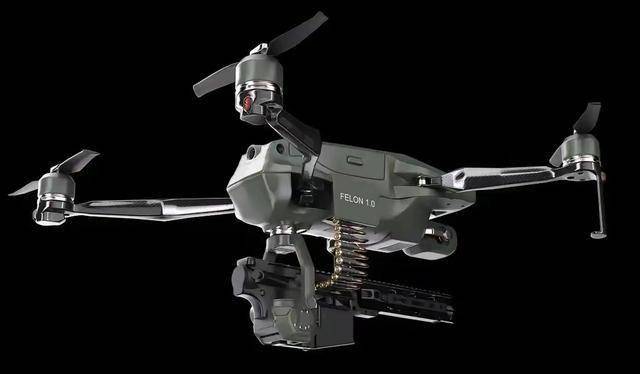
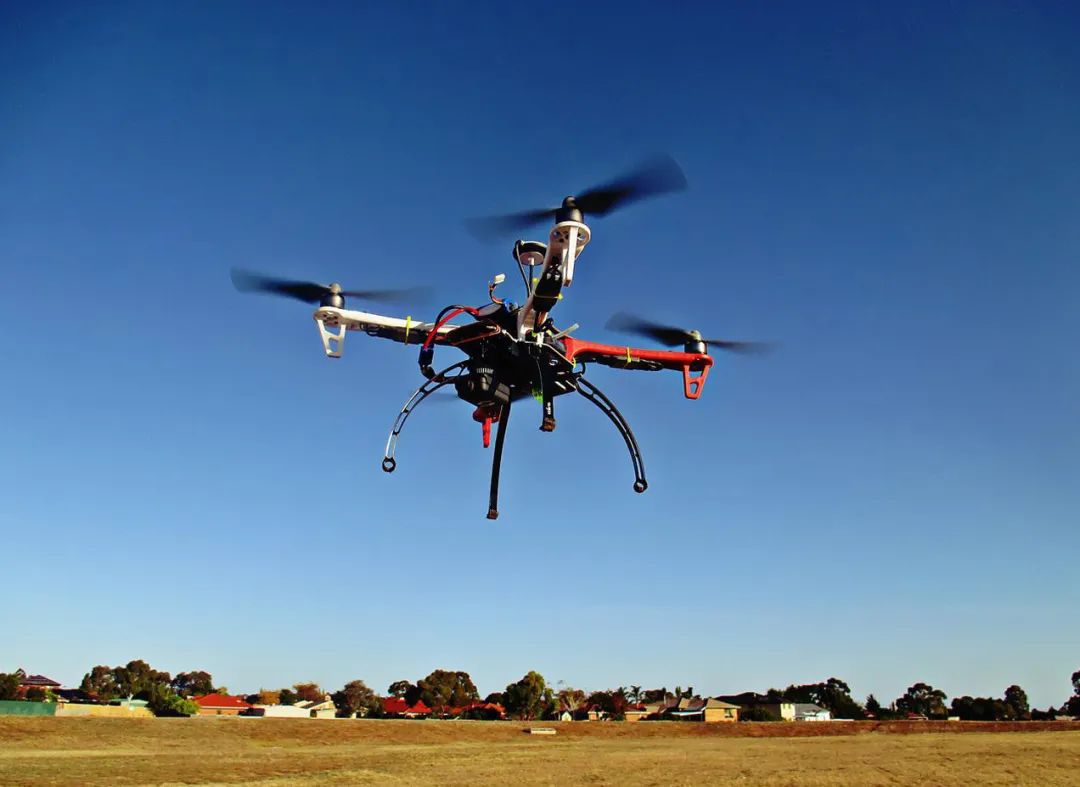
FPV drones are comprised of several key components, including:
- Drone Frame: Lightweight yet durable, allowing for efficient aerodynamics.
- Motors and Propellers: These determine speed and flight capabilities, essential for agile maneuvering.
- Electronic Speed Controllers: Regulate motor performance to provide steady and responsive controls.
- Radio Transmitter and Receiver: Allows communication between the drone and the pilot’s controller.
FPV goggles or displays are arguably the most important accessory, transforming the drone flying experience into a visual journey. Pilots can immerse themselves fully, watching as their drone takes on aerial challenges.
Why Choose FPV Drones?
FPV drones offer a unique perspective compared to traditional drones. They’re not just tools for capturing breathtaking visuals; they provide a visceral thrill of flight, making them popular in competitive racing and drone sports. The adrenaline and skill involved are reminiscent of video gaming but in the tangible realm of real-life landscapes.
FPV Drone Applications
Beyond the exhilarating hobby, FPV drones have practical applications. They’re increasingly being used in sectors like agriculture for monitoring crops, security for surveillance, and rescue operations where real-time detailed views over large areas are crucial.
Beginner’s Guide: Getting Started with FPV Drones
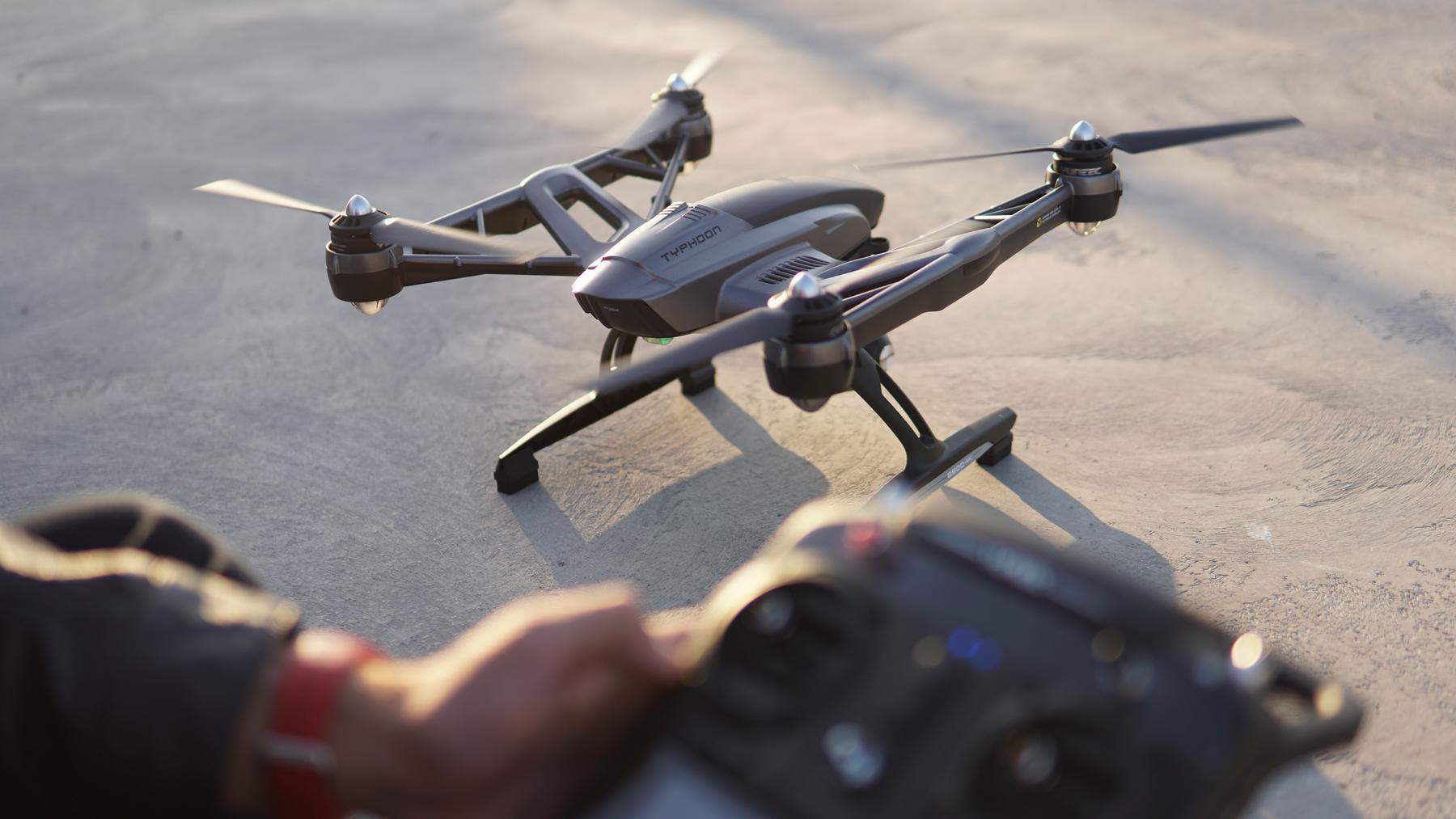
If you’re new to FPV drones, start with a beginner model to understand basic controls and flight dynamics. Practice in open spaces to build confidence before tackling more competitive or intricate environments. Joining local FPV clubs or communities can provide support and enhance learning.
FAQs
What makes FPV drones different from regular drones?
FPV drones offer real-time video feedback to the pilot, providing a first-person perspective opposed to standard drones that may require monitoring through remote screens.
Are FPV drones legal everywhere?
While FPV drones are legal in many places, regulations can vary on their use, especially concerning privacy and airspace rules. Always check local laws before flying.
Can I use FPV drones indoors?
Yes, certain FPV drones are designed for indoor use with propeller guards. However, indoor flying requires caution due to limited space and obstacles.
Unlock the skies with FPV technology, a fusion of engineering and adventure that enables you to see the world in a completely new way.