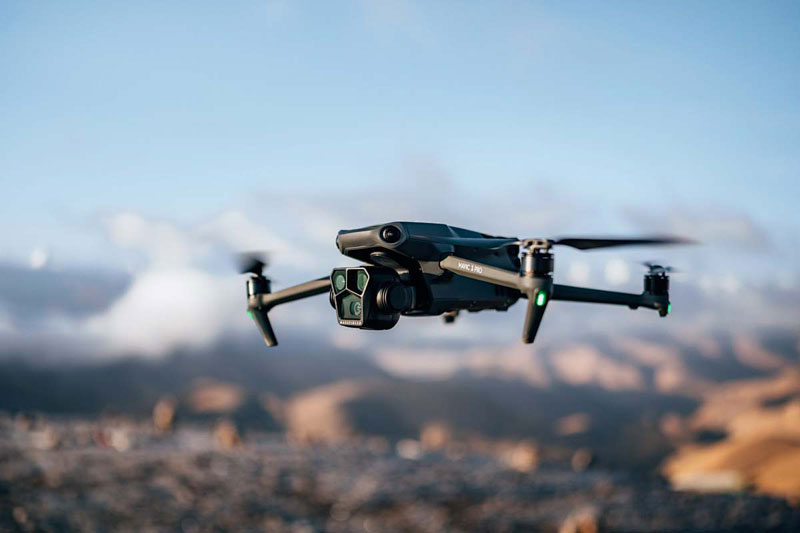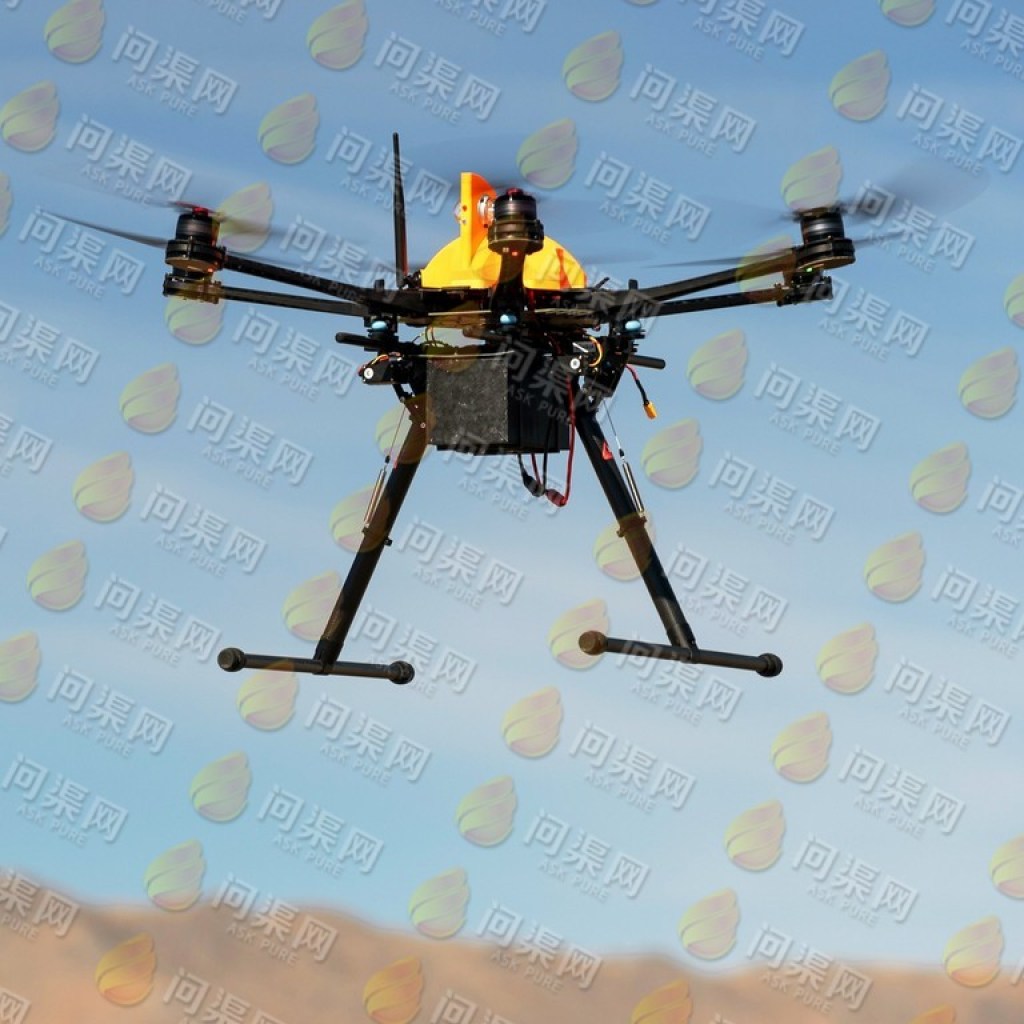
As we step into an era dominated by technological innovation, drone AI is at the forefront of revolutionizing aerial technology. From enhancing surveillance to improving logistics, the integration of artificial intelligence into drones is unlocking new possibilities previously thought unattainable.
The Evolution of AI in Drones
With the progression of technology, drones have evolved beyond simple remote-controlled devices to complex machines capable of autonomous operation. The integration of AI has facilitated this transformation by enabling drones to process data in real-time and make intelligent decisions without human intervention. This capability makes drone AI a pivotal player in diverse sectors, including agriculture, military, and search and rescue missions.
Precision Agriculture and Environmental Monitoring
In agriculture, drones equipped with AI are instrumental in precision farming. They gather data on crop health and soil conditions using advanced sensors, allowing farmers to make data-driven decisions to optimize yields. Similarly, environmentalists utilize AI-powered drones for monitoring ecosystems, tracking wildlife, and assessing environmental changes, providing invaluable insights with accuracy and efficiency.
Drone AI is changing the landscape of agriculture by providing sustainable solutions for global food security.
Enhancements in Logistics and Delivery Services
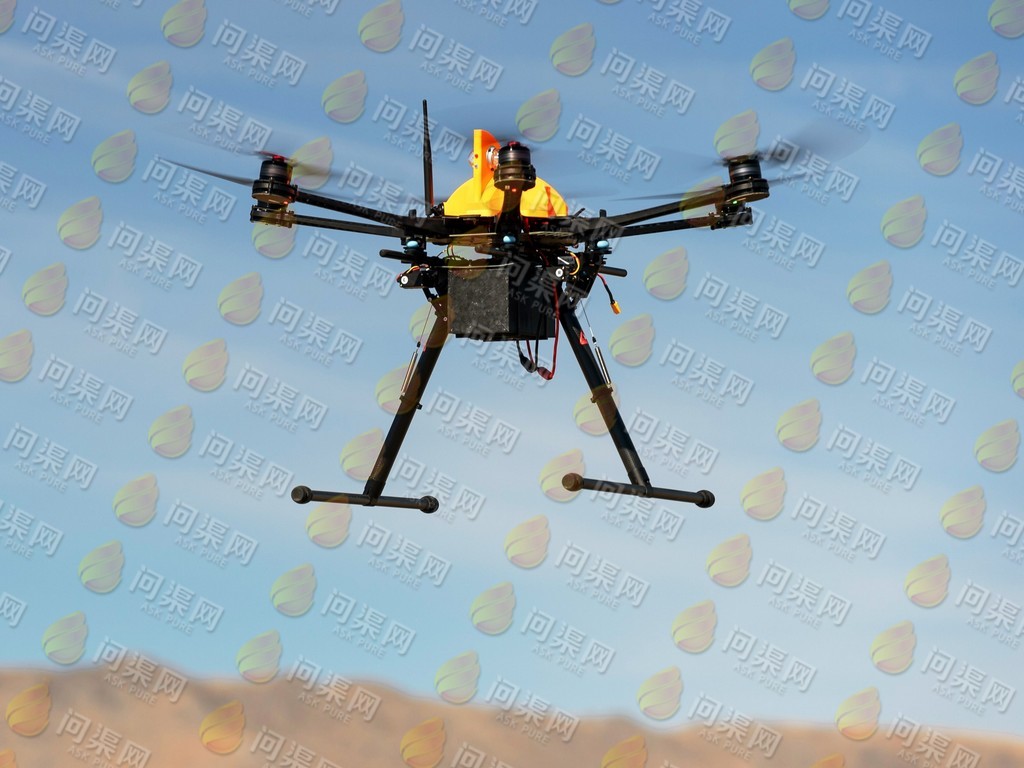
The logistics industry is another field reaping the benefits of drone AI technology. Companies are deploying AI-driven drones to streamline delivery services, effectively reducing transit times and operational costs. With advancements in machine learning and obstacle avoidance technology, these drones are becoming more reliable and efficient in delivering goods even in challenging terrains.
Search and Rescue Missions
Search and rescue operations have employed drone AI to enhance efficiency and efficacy. Equipped with thermal imaging and night vision capabilities, these drones can quickly locate missing persons in vast and hard-to-reach areas, significantly improving the probability of successful rescues while ensuring the safety of the human rescuers involved.
Military and Defense Applications
The military sector has long been a pioneer in adopting emerging technologies, and drone AI is no exception. AI systems enhance the operational capabilities of drones, making them invaluable assets for surveillance, reconnaissance, and combat missions. These drones can independently navigate and assess threats, providing real-time intelligence and reducing the risks to human soldiers.
Ethical Considerations
While the advantages of AI in drone technology are evident, ethical considerations must be addressed. The deployment of drones in civilian areas raises privacy concerns, and their application in warfare leads to debates on the morality of autonomous weapons. As drone AI advances, it is crucial to establish regulations to ensure the technology is used responsibly.
Future Prospects
Looking ahead, the future of drone AI seems boundless. Researchers are exploring possibilities for drones to collaborate with other AI systems, potentially paving the way for more integrated and intelligent networks that could transform industries worldwide. The potential applications are limited only by imagination and technological tools at our disposal.
FAQs
- How does AI improve drone flight safety?
- AI improves flight safety by enabling drones to detect and avoid obstacles in real time, reducing the likelihood of collisions.
- Are there regulations for using AI-powered drones?
- Yes, several countries are establishing regulations to address privacy, safety, and ethical concerns associated with AI-powered drones. It’s essential to stay informed about legislation in your area.
- Can drone AI be used in urban areas?
- Yes, urban deployment is possible, but it requires adherence to strict regulations and considerations for privacy and safety issues.