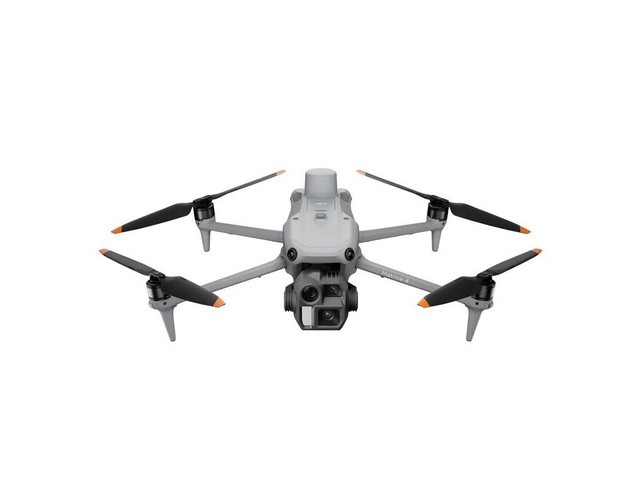
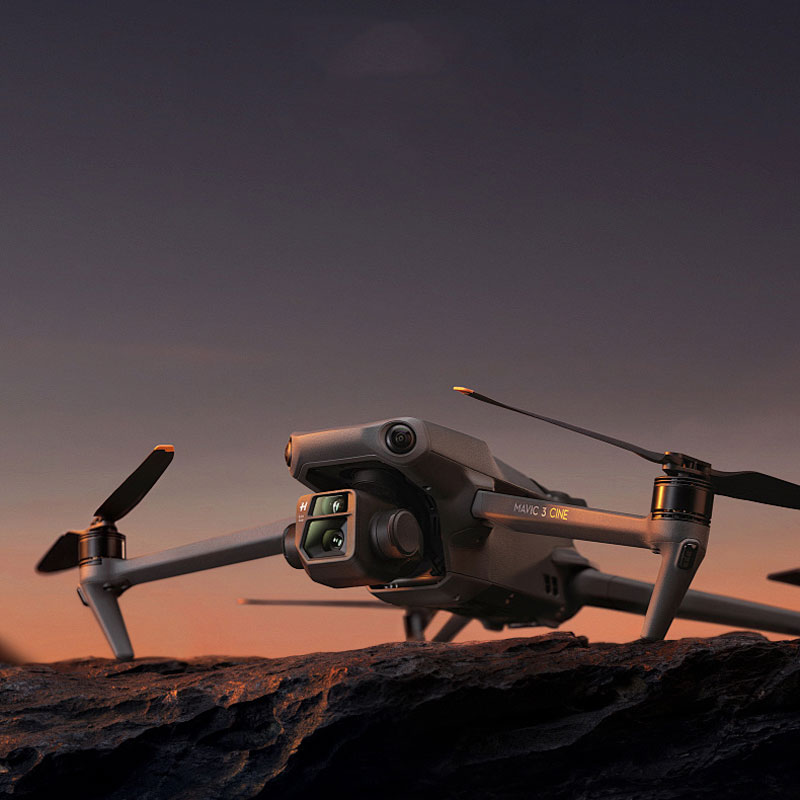
What is Drone Remote ID?
Drone Remote ID is akin to a digital license plate for drones, enabling identification and tracking while the drone is airborne. This technology is mandated by aviation authorities like the FAA to ensure drones can be easily identified, thus preventing unauthorized drone operations and enhancing airspace safety. By providing real-time data on a drone’s position, operator details, and flight path, remote id technology creates transparency in the drone ecosystem.
Significance for Safety
The significance of “drone remote id” cannot be overstated when it comes to safety. This technology allows authorized personnel to ensure that drones flying in sensitive areas are identified, decreasing the risk of accidents and security breaches. Imagine drones flying over populated areas; with remote id, it becomes easier to track and respond to any security concerns promptly.
Enhancing Security Measures
With the increase in drones for commercial and recreational use, security concerns have escalated. Remote ID allows not only authorities but also fellow drone operators to maintain awareness of the drones in their vicinity. It acts as a deterrent against malicious activities by ensuring accountability, as every drone can be traced back to its controller, thus promoting more responsible use.
Integration into Urban Air Mobility
As urban air mobility evolves, incorporating air taxis and other aerial vehicles, seamless integration with existing airspace becomes a necessity. Drone Remote ID plays a critical role in ensuring that the skies remain organized. This technology aids in preventing potential collisions and disruptions in densely populated urban skies, fostering a safer environment for emerging aerial mobility services.
Business Implications
The commercial sector stands to benefit significantly from Drone Remote ID technology through improved operational efficiency and compliance. Companies utilizing drones for deliveries, inspections, or surveillance can streamline their operations while adhering to regulatory requirements. This fosters public trust in commercial drone use and accelerates the adoption across industries.
Challenges and Considerations
Despite its benefits, the implementation of Drone Remote ID comes with challenges. Privacy concerns are among the significant barriers, with stakeholders questioning how much information should be publicly accessible. Moreover, the cost and complexity of integrating this technology into existing drones pose logistical challenges for smaller operators.
Solutions and Support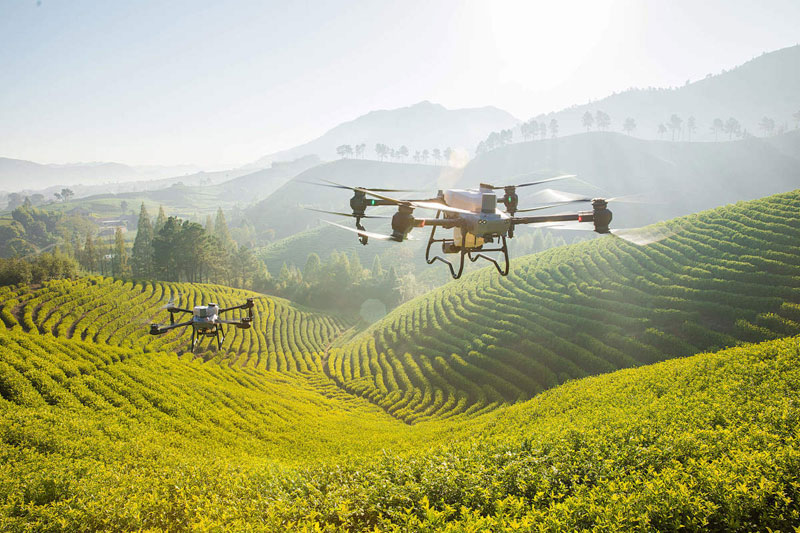
Efforts are being made to address these challenges, such as improving data encryption to protect user privacy and offering incentives or subsidies for smaller drone companies to adopt this technology. Collaboration between tech firms, policymakers, and stakeholders is essential for overcoming these hurdles effectively.
Future Prospects
The future of drone operations looks promising with advancements in Remote ID technology. As regulations become more polished and technology more refined, Remote ID will likely become a standard feature in all drones, ensuring safer skies and more efficient airspace management.
FAQ
1. Is Drone Remote ID mandatory?
In many regions, Drone Remote ID is becoming a mandatory requirement for both commercial and recreational drone operations to enhance safety and accountability in the airspace.
2. How does Remote ID enhance privacy?
While it provides critical information, measures can be integrated to ensure only necessary data is shared, protecting sensitive user details from public view.
3. What are the costs involved?
The costs can vary depending on the type of drone and integration methods. Manufacturers are seeking cost-effective solutions to incorporate Remote ID into new and existing models.