
In the world of surveillance, spy drones have emerged as a technological marvel, revolutionizing the way data is collected and analyzed. These unmanned aerial vehicles (UAVs) play a significant role in both military operations and civilian applications, offering a bird’s eye view of areas that are difficult to access or monitor through traditional means. With advancements in technology, spy drones are becoming increasingly sophisticated, incorporating a plethora of new features that enhance their capabilities.
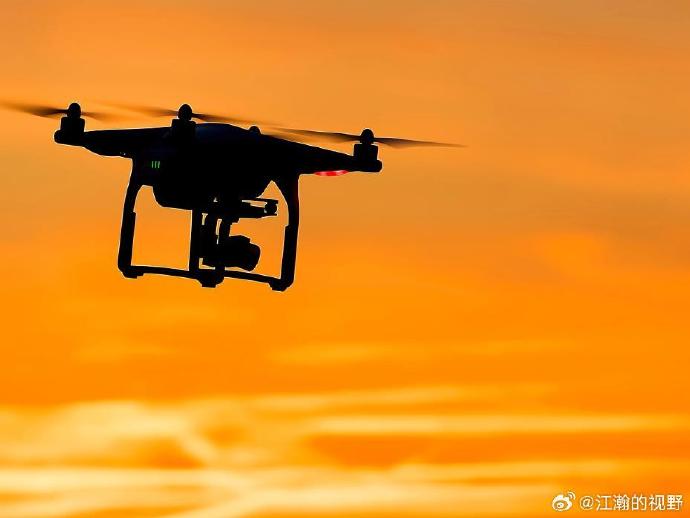
The Evolution of Spy Drones
The journey of spy drones began with basic models capable of capturing still images from the sky. Over the years, these drones have evolved significantly, thanks to advancements in sensor technology, artificial intelligence, and wireless communication systems. Today’s high-tech spy drones come equipped with high-definition cameras, real-time video transmission, and automated flight capabilities.
Key Features and Capabilities
Modern spy drones boast an array of features that make them indispensable for surveillance tasks. Among these features are night vision, GPS navigation, and the ability to carry various payloads. Night vision technology allows these drones to operate effectively in low-light conditions, while GPS systems ensure accurate navigation and positioning.
Furthermore, the integration of artificial intelligence has opened new possibilities for spy drones. AI algorithms enable drones to process and analyze data on-the-fly, identifying suspicious activities and sending alerts to operators. This reduces the need for constant human oversight and allows for quicker decision-making during critical missions.
The Impact of Spy Drones on Security
Spy drones have significantly impacted security operations around the globe. In the realm of national defense, these drones provide real-time intelligence, helping military forces to plan and execute operations with greater precision. They are used for reconnaissance, target acquisition, and even in combat scenarios to deliver payloads.
On the civilian front, spy drones are employed by law enforcement agencies for activities such as border patrol, crowd monitoring, and search and rescue missions. Their ability to access remote or dangerous areas makes them invaluable tools in protecting public safety and enforcing laws.
Legal and Ethical Considerations
Despite their numerous advantages, the use of spy drones raises several legal and ethical questions. Privacy concerns are at the forefront, as the deployment of surveillance drones often leads to debates about the balance between security and personal privacy. Regulations vary worldwide, with some countries imposing strict controls on drone operations to ensure that privacy rights are not infringed.
Another ethical dilemma revolves around the potential for automated decision-making in military applications. As drones become more autonomous, the need for clear rules of engagement and accountability becomes increasingly critical to prevent unintended consequences.
Future Prospects
Looking ahead, the future of spy drone technology seems poised for even more groundbreaking advancements. With ongoing research in areas such as AI, miniaturization, and energy-efficient designs, the next generation of surveillance drones could become smaller, quieter, and more powerful than ever before. Improvements in battery technology could further boost flight times, expanding the range and duration of drone operations.

As these innovations continue to unfold, spy drones are expected to play an increasingly prominent role in both civilian and military domains, making it essential to navigate the associated legal and ethical landscape wisely.
FAQ
Q1: How do spy drones differ from regular drones?
A: Spy drones are specifically designed for surveillance applications, incorporating advanced sensors, cameras, and communication systems to collect and transmit data.
Q2: What are the main privacy concerns with spy drones?
A: The primary concern is the potential for invasive surveillance, which could infringe on individual privacy rights if not properly regulated.
Q3: What industries benefit most from spy drone technology?
A: Military, law enforcement, and private security sectors gain the most from spy drone technology, utilizing it for intelligence, surveillance, and reconnaissance operations.