
Drones equipped with thermal cameras have revolutionized the way industries operate, offering unprecedented insights and efficiency
.
The versatility of thermal drones
Thermal drones function by capturing infrared radiation emitted by objects, allowing them to detect heat signatures that are invisible to the naked eye. This capability makes them invaluable across various sectors, from energy and agriculture to safety and surveillance.
Applications in search and rescue
In search and rescue missions, drones with thermal camera technology can quickly locate missing persons by scanning vast areas for body heat. Their ability to operate in low visibility environments, such as smoke-filled areas, is crucial for identifying survivors and assessing risks without endangering rescue teams.
Enhancing security and surveillance
Security agencies leverage drones with thermal cameras to monitor large premises effectively, especially during night operations. Thermal imaging highlights unauthorized entrances or suspicious activities, allowing rapid response and minimizing potential threats.
Impact on agriculture
Agricultural sectors benefit significantly from utilizing drones with thermal camera capabilities. Farmers can monitor crop health by detecting irregular temperature patterns which may indicate pest infestations or water stress. This technology aids in maximizing yield by implementing timely interventions.
Infrastructure and energy sectors
Drones equipped with these cameras are used for inspecting power lines and oil rigs for maintenance checks. Identifying components with abnormal temperature readings helps predict failures before they occur, ensuring consistent energy supply.
Optimizing wildlife conservation
Thermal drones have proven instrumental in wildlife conservation efforts, allowing the detection of animals across difficult terrains during both day and night. Researchers gain insights into migration patterns and behaviors, facilitating sustainable practices and protection strategies.
Challenges and considerations
While the advantages of thermal drones are clear, considerations such as cost, accessibility, and legal regulations surrounding drone usage must be addressed to optimize deployment across the board.
FAQs and Insights
Q: How do thermal drones differ from traditional drones?
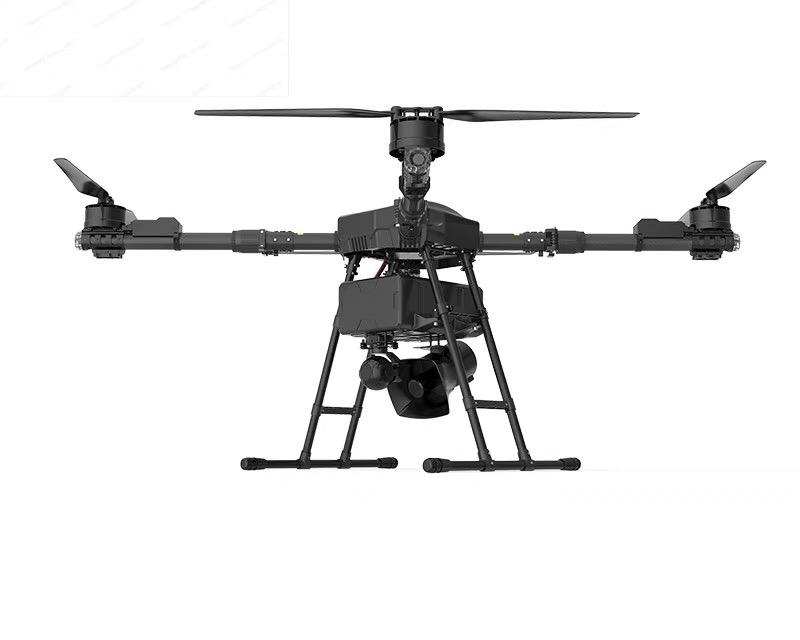
A: Thermal drones possess infrared imaging capabilities, enabling them to detect heat signatures, which is not possible with standard cameras frequently used on regular drones.
Q: Are drones with thermal cameras expensive?
A: The cost can vary depending on the specifications and quality of the camera and the drone itself. High-quality thermal drones tend to be more expensive due to their advanced technology.
Q: Is the use of thermal drones restricted legally?
A: Regulations may vary from one region to another, often influenced by local aviation laws and privacy considerations. It is essential to check legal requirements before deploying drones with thermal cameras in specific areas.