
Understanding the Wright Patterson Airspace Restrictions and Their Effects on Drone Operations
The closure of airspace surrounding Wright Patterson Air Force Base has emerged as a critical topic among drone pilots, hobbyists, and commercial operators. The Wright Patterson airspace closure not only reflects the continuing evolution of aerospace safety protocols, but it also directly challenges those looking to fly unmanned aerial vehicles (UAVs) in the region. In this comprehensive guide, we’ll delve into the reasons behind these restrictions, evaluate the specific impacts on drone activities, and provide essential advice for compliance and safe flight planning.
Why Is the Wright Patterson Airspace Closed to Drones?
Airspace around significant military installations like Wright Patterson is tightly controlled to protect sensitive operations and prevent unauthorized aerial surveillance. The Federal Aviation Administration (FAA), in coordination with military officials, periodically enforces Temporary Flight Restrictions (TFRs) or establishes permanent no-fly zones over and near such bases. These Wright Patterson airspace closure directives often become more stringent during periods of increased security, training exercises, or when confidential projects are underway.
For drone operators, this means no flights are allowed within the marked airspace boundaries without explicit authorization. Notably, the most recent Wright Patterson airspace closure directly prohibits the operations of drones, including those used for mapping, photography, recreational flying, and industrial purposes.
Impact on Commercial and Recreational Drone Operations
- Commercial pilots who regularly fly drones for surveying, delivery, or inspection services must update flight plans immediately when the Wright Patterson airspace closure is announced. Violations can lead to fines, equipment confiscation, or loss of FAA certification.
- Recreational drone pilots, who may be unaware of local restrictions, are the most vulnerable to accidental incursions. These users are advised to regularly check NOTAMs (Notices to Airmen) and the FAA’s B4UFLY app before each flight around Dayton, Ohio, and neighboring zones.
Local businesses utilizing drones, such as real estate photographers, agricultural surveyors, and infrastructure inspectors, may need to postpone projects or seek alternate sites when the airspace is restricted. The Wright Patterson airspace closure often disrupts scheduled flights, causing delays and potentially impacting business operations.
Technological Solutions and Safe Drone Practices
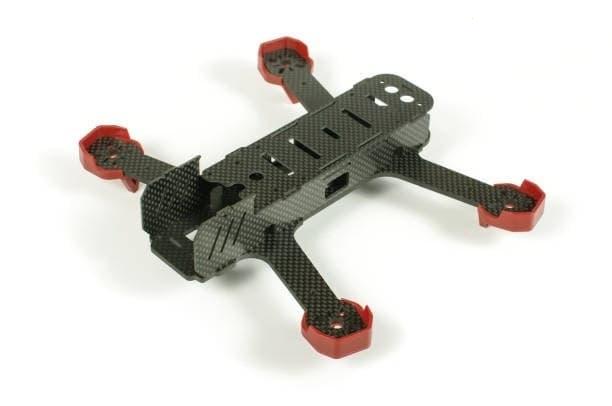
Adhering to Wright Patterson airspace closure requirements need not stifle drone activity indefinitely; innovative solutions are helping mitigate the impact. For example, geo-fencing technology is now integrated into many commercial UAVs, automatically preventing drones from entering restricted zones near Wright Patterson. However, not all drones feature this capability. Pilots should always manually verify local airspace status before launching.
If an operator needs to fly near Wright Patterson Air Force Base for critical or approved reasons, it’s mandatory to secure a special waiver from the FAA and coordinate with base authorities. Unauthorized flights not only risk severe penalties but also compromise national security.
Drone operators can use airspace mapping tools and apps to visualize current restrictions and upcoming changes. This ensures Wright Patterson airspace closure does not catch pilots off guard.
Legal and Regulatory Perspectives
The rise in drone activity nationwide has prompted increased regulatory oversight, especially over sensitive military airspaces such as that surrounding Wright Patterson. In the context of the Wright Patterson airspace closure, the FAA’s rules are clear: no drone flight is permitted within specified radii—often designated as Class D airspace—without permission.
Individuals found violating these protocols face serious consequences, which may include civil penalties and criminal investigations under federal law.
Drone-related associations and advocacy groups encourage lawmakers to find a balance between safety and innovation. The Wright Patterson airspace closure highlights the tension between national defense priorities and the economic growth fueled by drone entrepreneurship.
“I was planning a drone mapping project near Dayton but found the Wright Patterson airspace closed for the entire week—fortunately, the FAA app notified me in time,” reports a local drone operator, underscoring the importance of pre-flight checks and reliable news sources.
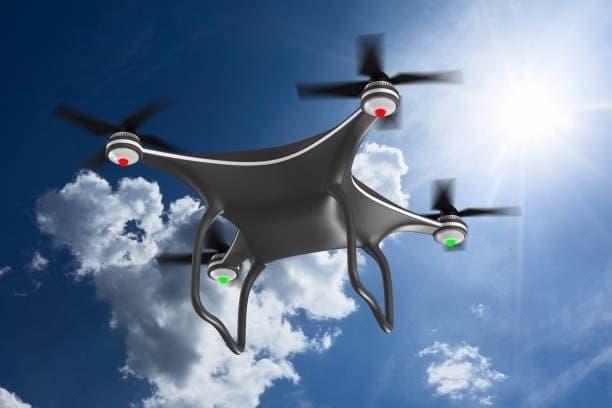
Preparing for Future Wright Patterson Airspace Closures
Given the unpredictable nature of military drills, security concerns, and federal procedures, drone operators near Wright Patterson must cultivate flexible strategies and up-to-date awareness. This includes:
- Signing up for FAA alerts and TFR notifications.
- Staying connected with local UAV communities for early warning on closures.
- Regularly updating onboard drone software to enable the latest geo-fencing databases.
Ultimately, the key is preparation, communication, and adherence to legal and technical guidelines to maintain safe drone operation despite occasional Wright Patterson airspace closure events.
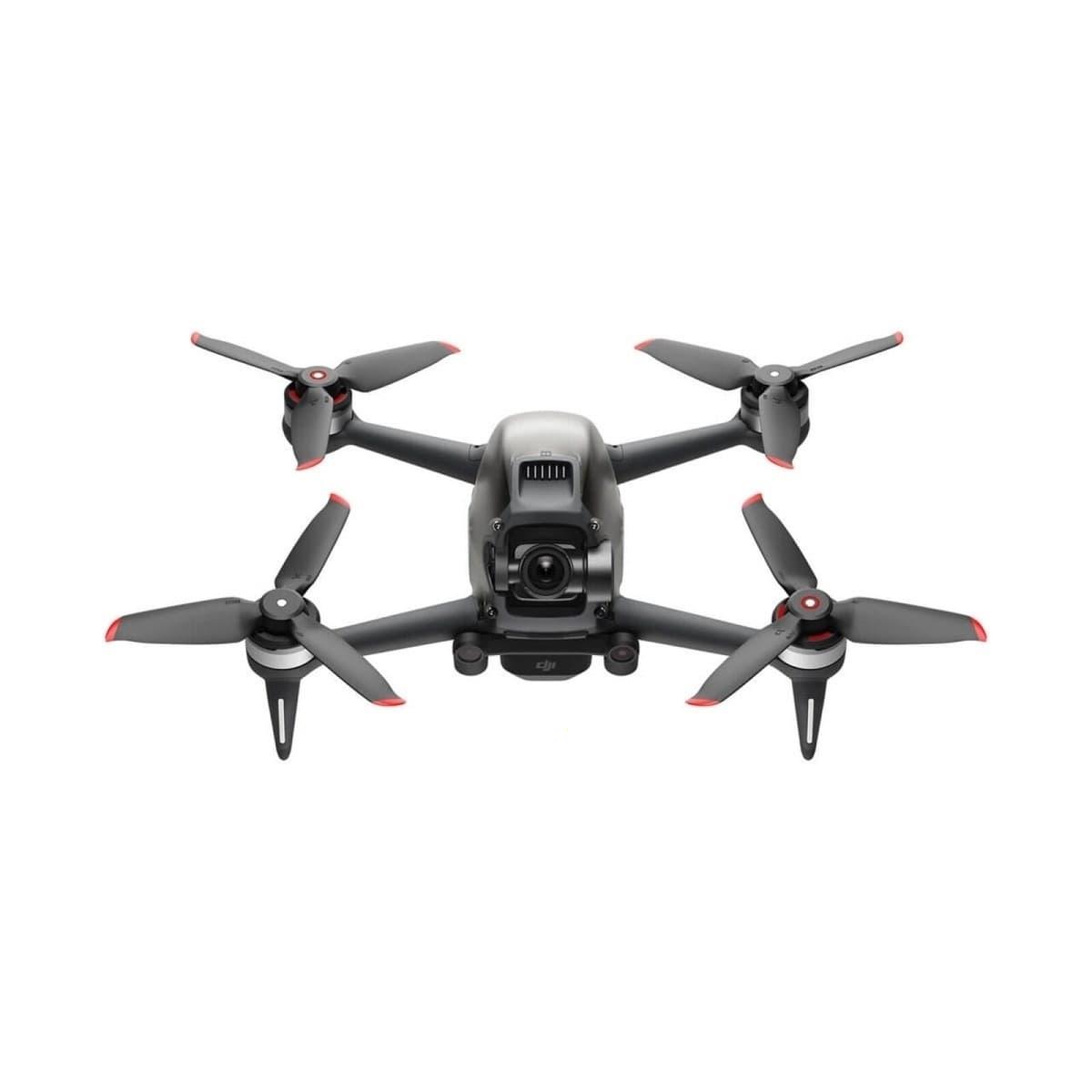

What’s Next for Drone Flights Near Wright Patterson?
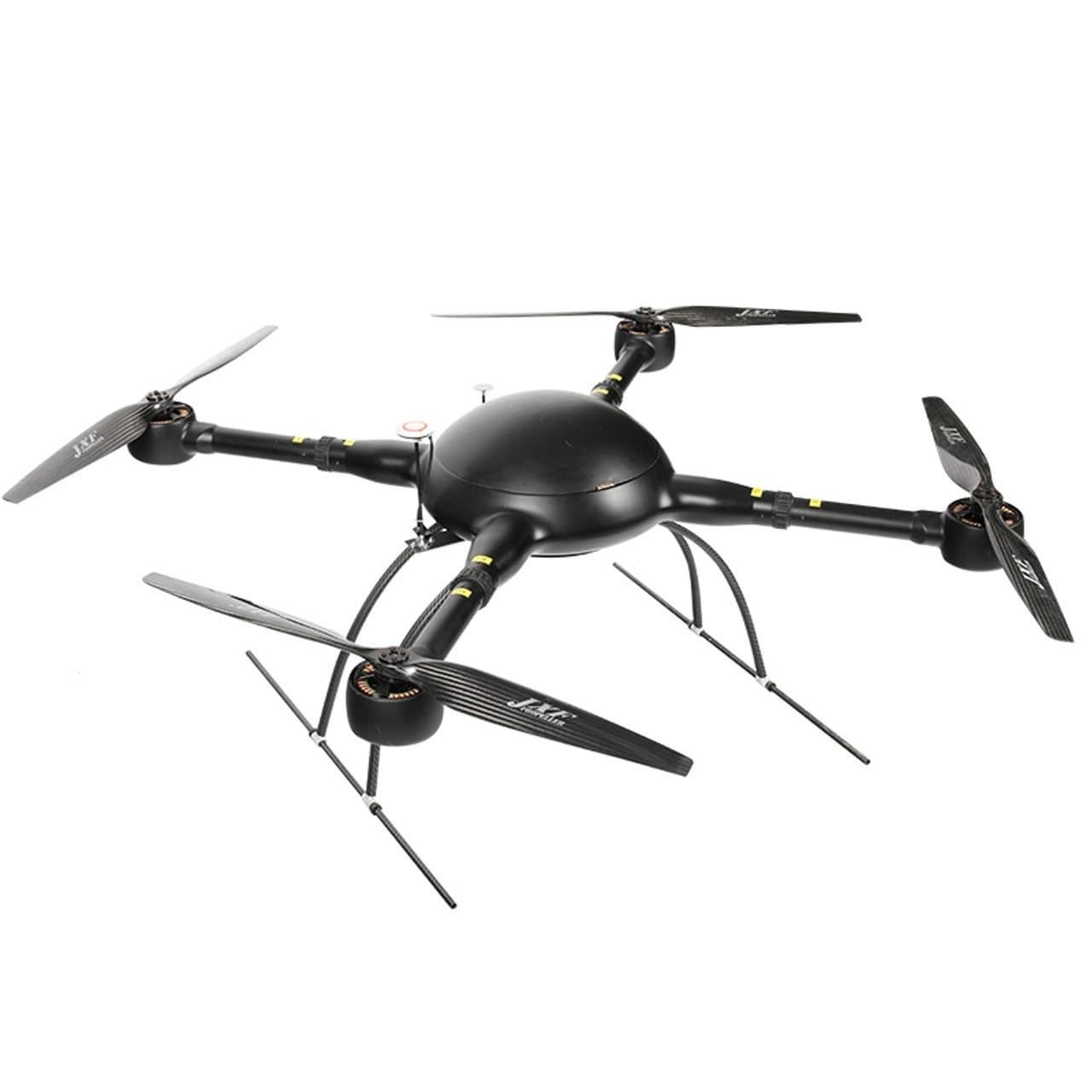
As drones play growing roles in infrastructure, logistics, and creative industries, ensuring that their flight paths do not conflict with military airspace is critical. Future Wright Patterson airspace closures are likely to continue; staying informed and adaptable is crucial for all UAV stakeholders. The introduction of Remote ID and enhanced FAA software tools will help manage restriction zones proactively.
FAQs About Wright Patterson Airspace Closure and Drones
- How can I find out if the airspace around Wright Patterson is closed to drones?
- Regularly check the FAA’s official website, subscribe to NOTAM updates, and use airspace map apps like B4UFLY for real-time restrictions before planning any drone flight nearby.
- Can commercial drone operators apply for waivers to fly near Wright Patterson?
- Yes, but waivers are approved case-by-case and require evidence of necessity, strong safety measures, and coordination with military and FAA officials. Most recreational flights will not be considered.
- What are the penalties for violating the Wright Patterson airspace closure with a drone?
- Penalties range from confiscation, hefty fines, suspension of pilot licenses, and in some cases, federal charges, especially if the breach endangers base security.