
Anti Drone Weapons: Exploring the Latest Innovations and Cutting-Edge Technologies in Modern Security
The rapid proliferation of unmanned aerial vehicles, commonly known as drones, has transformed the landscape of modern warfare and security. While drones offer valuable capabilities, their misuse poses significant threats to sensitive infrastructure, military bases, public events, and critical private spaces. As a result, the development and deployment of anti drone weapons has become a pivotal focus for governments, security agencies, and tech innovators worldwide. In this comprehensive guide, we delve into the advanced technologies, innovative systems, and real-world applications shaping the rapidly evolving domain of counter-UAV solutions.
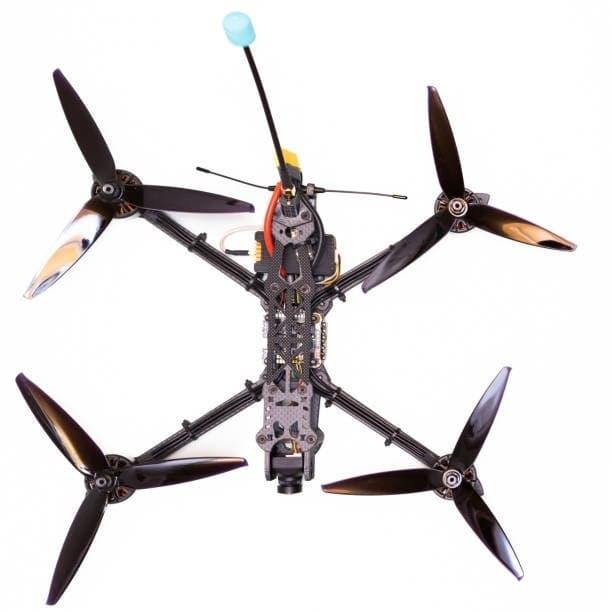
Understanding the Drone Threat Landscape
The versatility and accessibility of drones have catalyzed their widespread adoption. However, these attributes have also made them tools for surveillance, smuggling, sabotage, and even delivering explosives. The increasing sophistication of commercial and military drones—from swarming micro UAVs to high-speed reconnaissance platforms—underscores the urgency to develop robust, multilayered anti drone weapons and detection systems.
Key Technologies in Anti Drone Weapons: A Deep Dive
- Radar and RF Detection: Modern anti drone solutions typically begin with advanced radar and radio-frequency (RF) detection systems. These technologies can scan airspace, detect low-flying or slow-moving objects, and identify a drone by its unique signal signature. Integration with artificial intelligence (AI) enhances identification accuracy and reduces false alarms.
- Electromagnetic and RF Jamming: Powered by sophisticated algorithms, electromagnetic jammers can disrupt the control or GPS signals of hostile drones, causing them to lose navigation capability or crash. Jamming is especially effective against consumer or commercial UAVs operating on known frequencies.
- Directed Energy Weapons (DEW): A major breakthrough in counter drone defense, DEWs—including high-powered microwaves and laser systems—can physically destroy or disable drones mid-air. Lasers offer precise, instant response with minimal collateral damage, making them ideal for urban or sensitive settings.
- Projectile Solutions & Physical Capture: Some anti drone weapons, such as net guns or interceptor drones, physically capture or knock down adversarial UAVs. Recent developments feature guided projectiles and interceptor drones capable of tracking and neutralizing targets autonomously.
Leading Anti Drone Weapons on the Market
Prominent defense and technology companies have introduced a variety of counter-UAV products to address the escalating threat. Notable solutions include:
- DroneGun Tactical: A portable, rifle-style electronic jammer, capable of disabling multiple drone types by severing RF communication or GPS links. It offers a non-kinetic, scalable response suitable for law enforcement or event protection roles.
- Black Sage Technologies: Incorporating AI-driven radar systems, Black Sage provides integrated anti drone weapon platforms, combining detection, classification, and multiple defeat methodologies (RF jamming, lasers, kinetic interceptors).
- Raytheon’s High-Energy Laser Weapon System: This system leverages scalable laser power to destroy drones in flight, ensuring precise engagement with little risk of unwanted debris.
Emerging Anti Drone Trends and Innovations
Driven by escalating security challenges, anti drone weapons are rapidly advancing in sophistication and capability. Key trends include:
Swarm Defense: With adversaries deploying drone swarms, developers are engineering systems capable of tracking and neutralizing multiple UAVs simultaneously, combining AI, radar, and automation.
Integration with Existing Defense Networks: Seamlessly embedding counter-UAV systems into broader airspace management, critical infrastructure security, and battlefield operations maximizes real-time responsiveness.
Miniaturization and Portability: As threats diversify, portable or easily deployable anti drone systems are crucial for mobile protection in battlefield, border security, and VIP escort missions.
Civilian and Commercial Applications: Beyond military uses, anti drone technology now safeguards airports, public gatherings, and corporate campuses from intrusive UAV activity.
Legal and Ethical Considerations in the Deployment of Anti Drone Weapons
The deployment of anti drone weapons raises important legal and ethical questions. Disrupting radio signals, for example, may interfere with legitimate communications or endanger civilian aircraft if not carefully regulated. There is a delicate balance between ensuring security and maintaining public safety, particularly in urban zones or areas with high civilian density. Lawmakers and technology providers are working together on rigorous standards and protocols for responsible deployment.
Real-World Success Stories and Case Studies
Global incidents underline the necessity of effective anti drone weapons:
During international sporting events, advanced counter-UAV solutions routinely safeguard athletes, spectators, and airspace against unauthorized drone intrusion.
In battlefield scenarios, integrated anti drone platforms have thwarted reconnaissance and strike missions, protecting troops and equipment.
Commercial airports, such as Gatwick in the UK, now employ layered detection and interdiction systems after previous drone disruptions to operations.
The Future of Anti Drone Weapons
As both drone and counter-drone technology evolve, the future will see even greater reliance on networked sensor fusion, automation, and rapid response mechanisms. The next generation of anti drone weapons may leverage machine learning to autonomously identify novel UAV threats, adapt to changing enemy tactics, and coordinate defenses across multiple platforms in real time. Expect ongoing investments in directed energy, electromagnetic, and AI-powered containment solutions as the cat-and-mouse game continues.
FAQs on Anti Drone Weapons
- Are anti drone weapons legal for civilian use?
- The legality of anti drone technologies varies considerably by country. In many regions, only authorized security agencies may operate RF jammers or directed energy systems. It is crucial to check local laws before deploying any anti drone weapon outside military or sanctioned contexts.
- What is the most effective method for stopping a rogue drone?
- Effectiveness depends on the scenario. Radar-based detection paired with tailored defeat measures—such as RF jamming or laser interception—provides a multilayered defense against various drone types and tactics.
- Can anti drone weapons cause collateral damage?
- While many solutions, like RF jamming and lasers, are designed to minimize collateral risks, physical interceptors or kinetic measures can potentially cause damage if a drone falls uncontrolled. Careful planning and risk mitigation are necessary in densely populated or sensitive environments.