
In recent years, the use of drone technology has revolutionized various industries, and one of the most intriguing applications is the integration of heat cameras for thermal imaging exploration. As drones become more sophisticated, their ability to capture detailed thermal images opens up new possibilities for professionals across different fields.
Understanding the Technology Behind Thermal Cameras in Drones
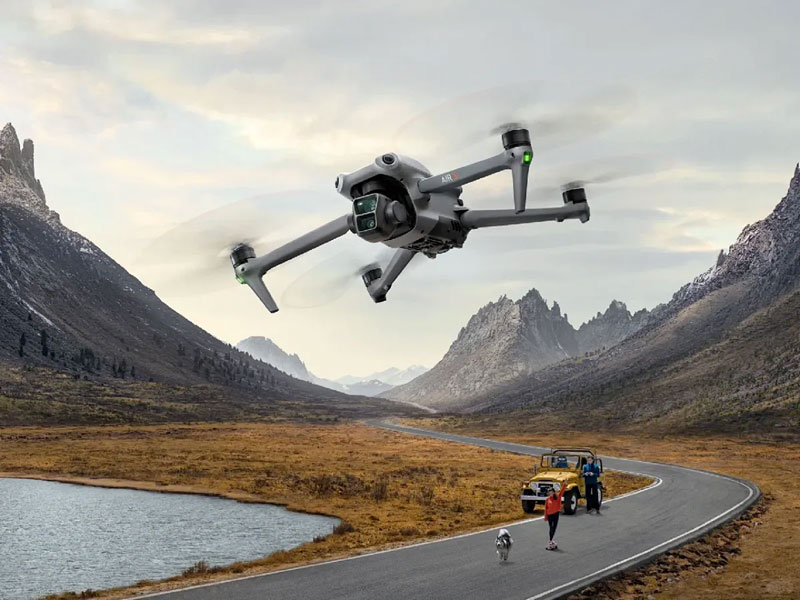
Thermal cameras detect infrared radiation, turning it into visible imagery that allows users to see heat patterns and temperature variations. When mounted on drones, these cameras provide a vantage point that is unparalleled, offering comprehensive views of otherwise inaccessible areas.
The pairing of drones with thermal cameras is not merely an advancement in technology but a leap toward efficiency and convenience. Industries such as infrastructure inspection, agriculture, wildlife tracking, and search and rescue operations benefit immensely from this combination.
Key Benefits of Drones Equipped with Thermal Cameras
- Enhanced Inspection Capabilities: With a drone equipped with a heat camera, it’s possible to conduct thorough inspections of buildings, electrical installations, and pipelines without direct human involvement. This reduces risk while increasing the effectiveness and speed of operations.
- Precision Agriculture: Farmers can utilize thermal imaging from drones to monitor crop health, manage irrigation, and detect pests early. This not only optimizes the yield but also contributes to sustainable farming practices.
- Wildlife and Conservation Efforts: Thermal imaging through drones assists researchers in tracking animal movements and detecting illegal poaching activities without disturbing natural habitats.
- Improved Search and Rescue Missions: In emergency situations, drones can scan large areas quickly. The thermal camera detects heat signatures of missing persons, greatly increasing the chances of a successful rescue.
Selecting the Right Drone for Your Needs
When choosing a drone with a heat camera, consider factors such as resolution, range, and durability. Higher resolution cameras will provide clearer images essential for detailed analyses, while a longer range ensures that your drone can cover expansive areas efficiently.
Durability is crucial for outdoor operations; drones should be resistant to adverse weather conditions. The cost-efficiency of thermal drones has improved, making them accessible to small businesses, hobbyists, and large enterprises alike.
Advancements in Drone and Heat Camera Technology
The technology behind drone-heat cameras continues to evolve, with increased battery life, AI integration, and enhanced image processing capabilities. These advancements make them more reliable and versatile, paving the way for innovative applications that are yet to be explored.
FAQs
- What is the primary use of drones with thermal cameras?
- Drones with thermal cameras are primarily used for inspections, agriculture monitoring, wildlife tracking, and search and rescue operations due to their ability to detect heat and thermal variations.
- How does thermal imaging help in agriculture?
- Thermal imaging allows farmers to detect variations in crop health and hydration, enabling them to make informed decisions about irrigation and pest control, thus enhancing productivity.
- Can thermal drones be used at night?
- Yes, thermal drones are particularly effective at night as they are able to detect heat signatures without relying on natural light, making them invaluable for nocturnal operations.