
Exploring Drone Technology: A Journey Through Time
The invention of drones marks a significant milestone in technological advancement, tracing back to the early 20th century. The development of drones, also known as unmanned aerial vehicles (UAVs), began with the innovative creations that paved the way for modern aerial systems. When were drones invented? This question invites a deep dive into the historical progression of these fascinating machines.
The origin of drone technology can be linked to the concept of pilotless aircraft, dating as far back as World War I. During this era, the idea of creating aircraft that functioned without on-board human intervention began to take shape. The first successful experiments with UAVs occurred through the development of radio-controlled aircraft designed for battlefield reconnaissance and weapon delivery. One of the pioneers in drone technology was the “Kettering Bug” built by Charles Kettering in 1918, intended for use as an aerial torpedo.
Evolution in Drone Specifications
As technology advanced over the decades, so did the complexity and application of drones. The following eras saw improvements in design, functionality, and usability. In World War II, remote-controlled versions were further developed for training purposes by the American military. By the Vietnam War, drones like the AQM-34 were used extensively for surveillance missions. These drone models brought revolutionary changes, incorporating real-time cameras and sensors that allowed for detailed reconnaissance work.
Drones in the Modern Era
In recent decades, drone technology has gained immense popularity in both military and civilian sectors. The rise of GPS technology and advancements in telecommunications provided a fertile ground for the proliferation of drones equipped with sophisticated navigation systems. Today, drones are an integral part of industries such as agriculture, delivery services, filmmaking, and environmental monitoring. Modern drones come in various forms, ranging from small consumer drones to large military-grade machines equipped with advanced weaponry and surveillance systems.
The technological leap in drones also reflects the broadening of their applications. With features such as obstacle detection, autonomous flight modes, and artificial intelligence integration, drones have expanded their utility, offering efficient solutions in search and rescue operations, disaster management, and infrastructure inspection.
Impact on Society and the Environment
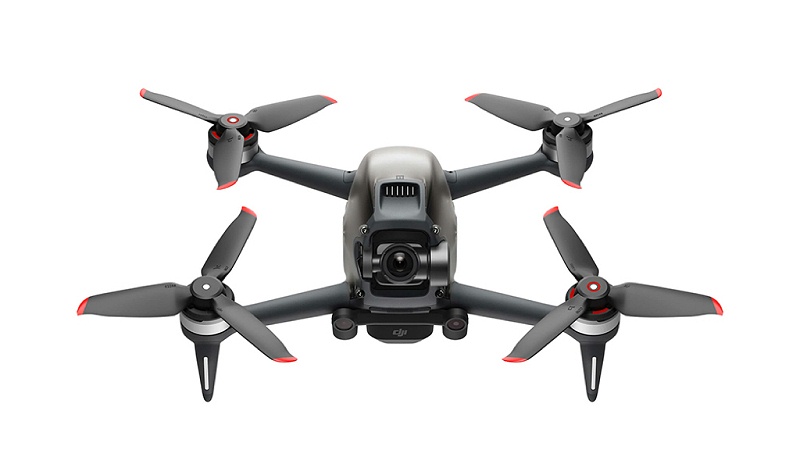
The widespread adoption of drone technology poses both opportunities and challenges. While drones have significantly transformed fields like environmental conservation by collecting data on biodiversity and ecosystem health, they also raise questions about privacy and security. The regulatory landscape surrounding drone usage is continually evolving to accommodate the delicate balance between innovation and safety.
Frequently Asked Questions
- What were the first drones used for?
The first drones were primarily developed for military use during wartime for purposes such as reconnaissance and weapon delivery. - How have drones impacted industries outside the military?
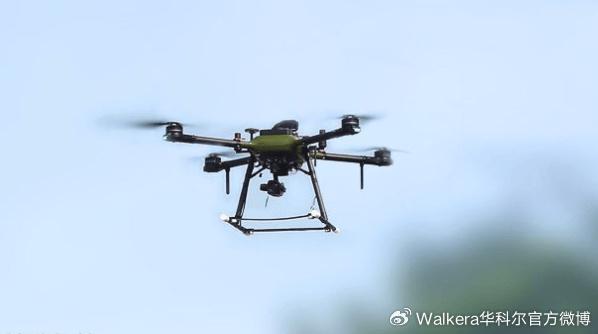
Beyond military applications, drones have revolutionized sectors like agriculture, delivery, filmmaking, and environmental monitoring by providing cost-effective, efficient solutions. - What are the legal considerations surrounding drone usage?
The increasing use of drones necessitates regulatory measures to address concerns related to privacy, safety, and airspace management. Each country often has unique regulations that drone operators must follow.
