
FPV Drone Racing and Aerial Photography: Unlocking the Excitement
The world of FPV drone technology is revolutionizing both competitive racing and creative aerial photography. FPV stands for “First Person View,” an immersive experience where pilots, wearing goggles, see exactly what their drones see, flying at high speeds and through intricate courses or capturing breathtaking aerial perspectives. This article dives deep into the electrifying realm of FPV drone racing and explores how FPV drones have transformed aerial imaging for hobbyists, professionals, and content creators.
FPV drone racing is more than just a sport—it’s an adrenaline-infused hobby combining razor-sharp reflexes, engineering skills, and a love of high-tech innovation. In FPV racing, competitors build and tune their quadcopters for speed, precision, and reliability. With goggles strapped on, pilots deftly maneuver their FPV drones through tight gates, obstacles, and convoluted tracks at often mind-bending speeds, sometimes exceeding 100mph. The thrilling aspect comes from the immersive first-person perspective, as if the pilot is physically onboard the aircraft.
- Main elements of FPV drone racing: High-speed flight, real-time video transmission, customizable drone builds, and dynamic race environments.
- Pilots use FPV goggles and dedicated transmitters—key terms in any FPV drone glossary.
- Tracks can be indoors or outdoors, ranging from stadiums to forest trails.
What makes FPV drone racing unique from conventional drone flight is the focus on live video feeds and real-time response. The latency, clarity, and field of view are critical. Many racers upgrade their drones with powerful cameras, advanced flight controllers, and lightweight frames to dominate courses. Popular FPV drone racing leagues, such as the Drone Racing League (DRL), have even brought this niche hobby into the mainstream, showcasing spectacular aerial feats in global competitions.
FPV Drones in Aerial Photography
While racing hones speed and agility, FPV drones in aerial photography focus on creative freedom and visual storytelling. The FPV drone is prized for its ability to capture unique angles, cinematic shots, and smooth dynamic movements previously impossible with traditional platforms. From sweeping landscapes to intricate urban scenes, aerial photography using FPV drones opens new artistic horizons.
- FPV drones provide unparalleled flexibility, navigating tight spaces or unique vantage points with ease.
- Content creators and filmmakers now prefer FPV drones for immersive video tours, dramatic sweeps, and action sequences.
- Stabilized cameras and GPS locks help FPV drones document everything from real estate and events to nature and travel adventures.
Aerial photography with FPV drones isn’t just for professionals. Accessible setup kits and easy-to-use flight controllers mean that even beginners can quickly learn the ropes. Tutorials, simulators, and vibrant online communities support newcomers in mastering both the creative and technical aspects. The key lies in understanding flight mechanics, post-processing, and leveraging FPV drone tech for outstanding results.
Building Your Own FPV Drone
The process of building or customizing an FPV drone offers limitless possibilities. Pilots mix and match frames, motors, flight controllers, video transmitters, and cameras to fit their racing or photography needs. Knowing the best propellers for speed or the optimal camera for clarity is essential. Maintenance, upgrades, and repairs are routine, making technical knowledge a vital skill for avid FPV drone enthusiasts.
FPV Drone Technology: Components and Innovations
At the heart of every FPV drone is its flight controller—a compact, programmable brain that manages navigation and stability. Paired with high-resolution FPV cameras, ultra-low latency video transmitters, and powerful batteries, these drones achieve remarkable feats. Recent innovations include advanced brushless motors, carbon fiber frames, AI-assisted flight paths, and robust anti-interference systems. The integration of GPS and fail-safes allows for better control, safety, and reliability during flights.
One particularly exciting area is the evolution of transmission protocols: digital FPV systems are rapidly replacing analog setups, providing crystal clear HD imagery and robust range. Pilots benefit from sharper visuals, easier race oversight, and significantly improved cinematic footage for aerial projects.
Safety and Legal Considerations in FPV Drone Racing and Photography
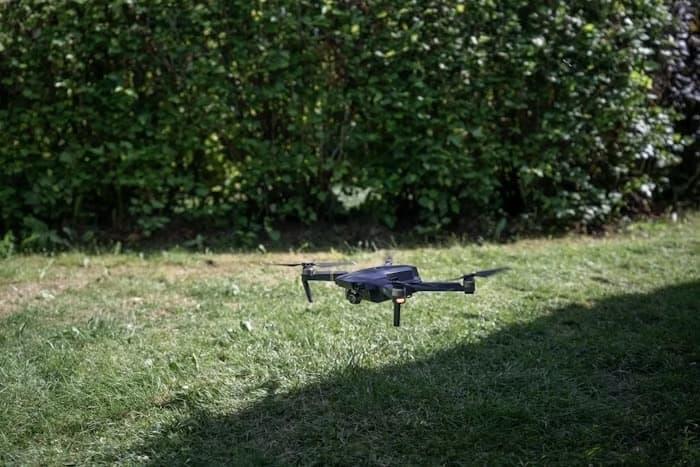
Safe operation is paramount. Pilots must understand local regulations—such as airspace restrictions, transmission frequencies, and acceptable flight heights. Many regions require registration, pilot certifications, or adherence to specific rules during competitive events. Practicing in designated flying zones and respecting no-fly lists helps keep FPV drone hobbies sustainable.
FPV Drone: A Gateway to Community and Innovation
An often-overlooked aspect of the FPV drone scene is its vibrant, collaborative community. Whether it’s sharing tuning tips, racing strategies, or aerial photography settings, online forums and local meetups provide invaluable resources for skill and inspiration. FPV drone pilots also participate in hackathons, mod contests, and friendly competitions, all fueling constant technological advancement.
Getting Started with FPV Drone Racing and Aerial Photography
Interested beginners should research affordable FPV starter kits, invest in high-quality goggles, and practice on simulators before attempting live flight. Many pilots recommend joining a local club for mentorship, safe flying spaces, and race events. For aerial photography, experiment with various camera settings, flight modes, and post-production workflows to unlock your artistic vision with an FPV drone.
FPV Drone FAQs
- What is the difference between FPV drone racing and traditional drone flying?
- FPV drone racing emphasizes speed and agility using live video feeds for fully immersive flight, while traditional drone flying often uses line-of-sight navigation and prioritizes stable, controlled movement.
- Are FPV drones suitable for beginners?
- Many FPV drones are designed with user-friendly flight controllers, tutorials, and intuitive features, making it accessible for beginners with enthusiasm for technology and flight.
- Can I use my FPV drone for both racing and aerial photography?
- With customizable components, you can adapt your FPV drone for both fast-paced racing and stable, cinematic photography—though you may want specialized builds for the best performance in each area.
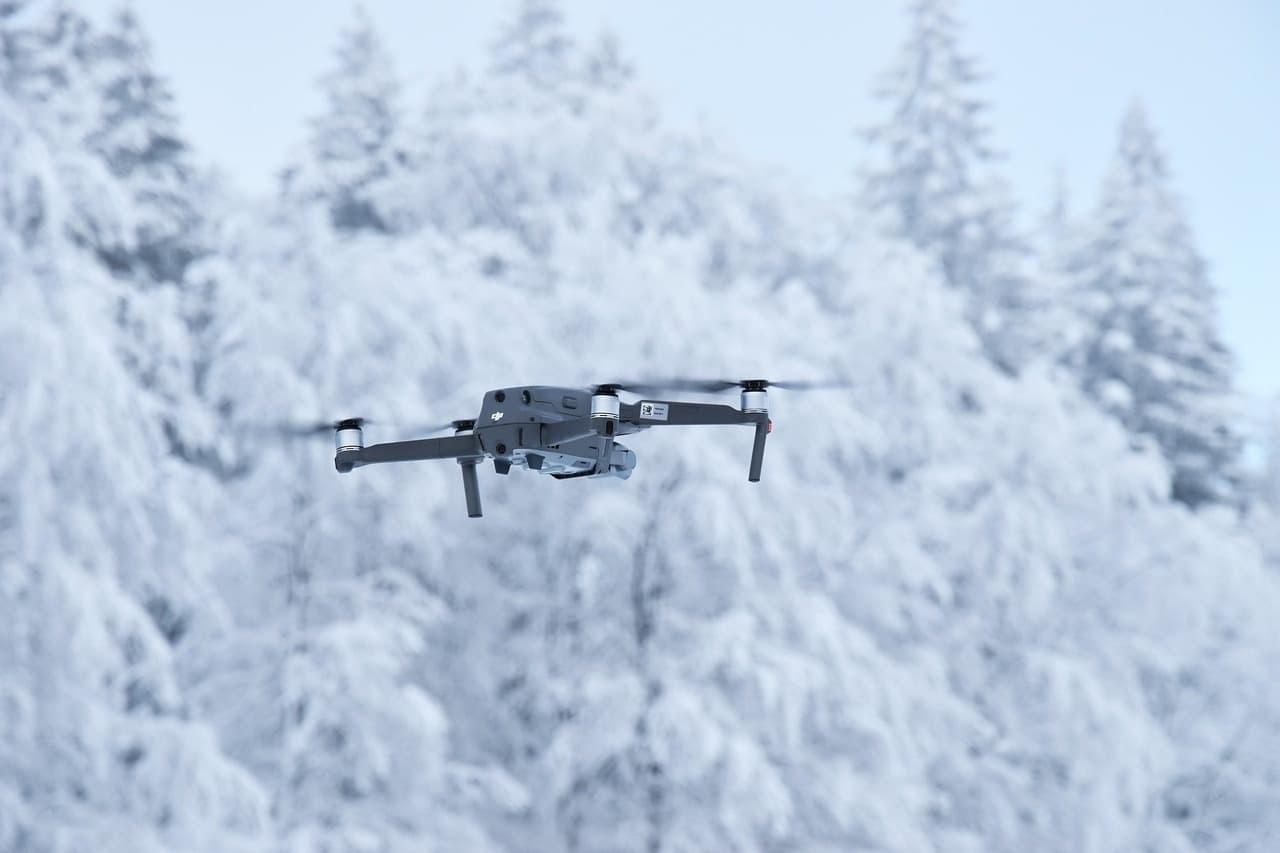
FPV drone enthusiasts continue to push the boundaries of speed, creativity, and community—all while enjoying the thrilling perspective found only in first-person flight. From heart-pounding races to awe-inspiring aerial shots, this technology offers a dynamic blend of challenge and artistry for anyone passionate about drones.