
Discover the Thrill of High-Speed Aerial Competition
Drone racing is swiftly becoming a popular sport, attracting thrill-seekers and tech enthusiasts alike. The sport involves agile drones navigating through challenging courses, providing an adrenaline-pumping experience not only for pilots but also for spectators. What separates drone racing from other aerial sports is its unique blend of technology, skill, and competition.
The Basics of Drone Racing
At its core, drone racing consists of small, fast drones equipped with powerful motors and cameras. These drones are precisely engineered to achieve remarkable speeds while remaining controllable. Pilots wear special goggles equipped with FPV (First Person View) technology, allowing them to see exactly what the drone sees in real-time. This immersive experience mimics flying through the skies, easily drawing parallels to video gaming but in a physical environment.
Technology Behind the Drones
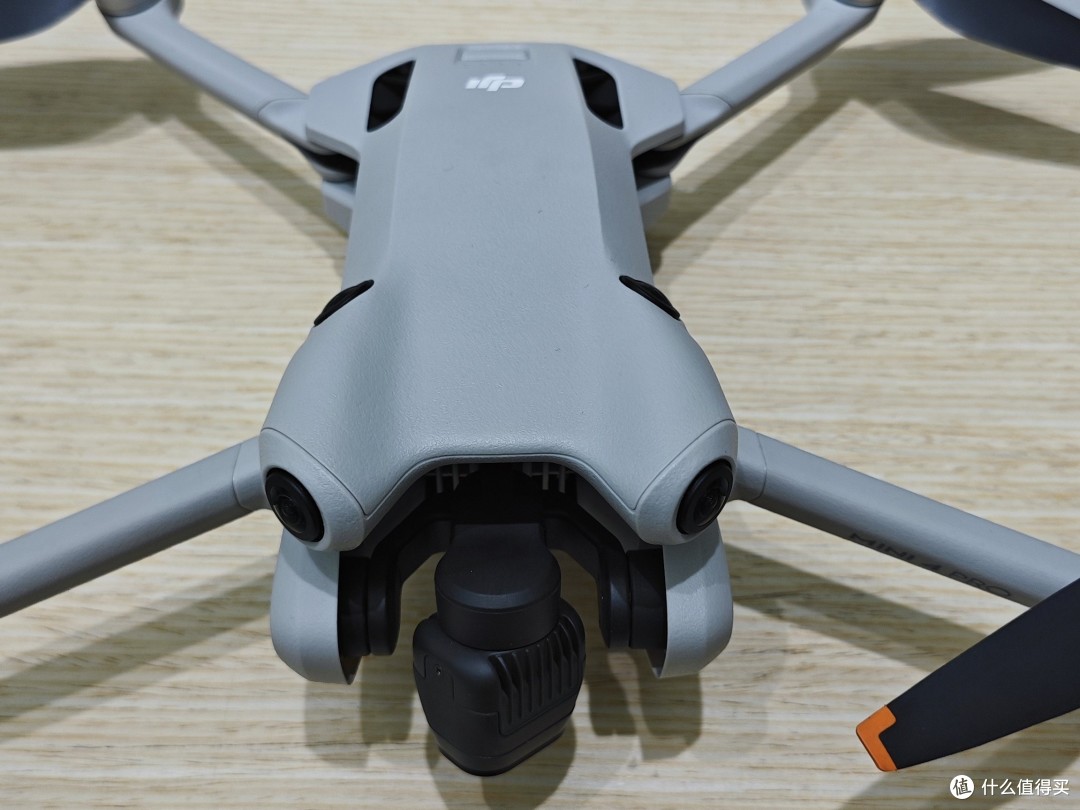
Drones utilized in racing are often custom-built, tailored to suit the pilot’s preferences and the demands of the race. Components such as flight controllers, ESCs (Electronic Speed Controllers), and high-performance batteries are integral to their design, ensuring optimal performance. The drone’s frame is usually crafted from lightweight, durable materials like carbon fiber, enabling swift maneuvers without sacrificing structural integrity.
Drone Racing Events Worldwide
Globally, drone racing is garnering attention with leagues and events popping up in various countries. Prestigious competitions such as the Drone Racing League and the MultiGP Racing Series are platforms where the best pilots showcase their capabilities. These events are meticulously organized to test the limits of both the drones and their operators, often including complex courses with numerous obstacles to navigate.
Skills and Training
Becoming a proficient drone racer demands dedication and extensive practice. Pilots must fine-tune their reflexes, spatial awareness, and hand-eye coordination to master the intricate controls of the drone. Training often involves simulated courses and real-world practice sessions, and pilots continuously innovate strategies to gain competitive advantage.
Future of Drone Racing
As technology advances, the future of drone racing looks increasingly promising. With innovations in AI, augmented reality, and real-time analytics, races are becoming ever more sophisticated and engaging. These advancements not only improve the tactics used in racing but also enhance audience participation by providing new ways to immerge them into the action.
Why Drone Racing Appeals to Audiences
Spectators are thrilled by the spectacle of drones zipping through the air at breakneck speeds, executing sharp turns and flips in a blur of motion. The amalgamation of technical skill, engineering prowess, and competitive spirit delivers an electrifying experience, making drone racing a captivating sport to watch.
FAQs about Drone Racing
Q: What equipment do I need to start drone racing?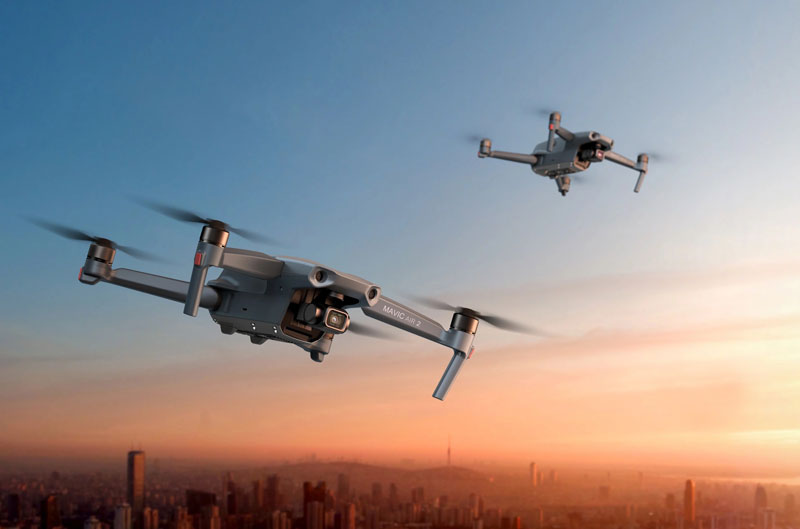 A: As a beginner, you’ll need a racing drone, FPV goggles, a radio controller, and batteries. You may also opt for simulator software to practice your skills without risking your physical drone.
Q: Is drone racing safe? A: Drone racing can be performed safely with adherence to guidelines. Events have safety protocols in place, and pilots are trained to avoid accidents. Proper equipment and situational awareness are crucial.
Q: Can anyone participate in drone racing? A: Yes, drone racing is accessible to enthusiasts of varying skill levels. Many clubs offer beginner-friendly races and training, making it easy for newcomers to join the sport.