
Tethered drones have emerged as a groundbreaking solution in the diverse landscape of aerial technology. These drones offer a unique set of advantages, including enhanced stability, extended flight times, and the ability to provide a continuous power supply through their tether. In recent years, they have been utilized in various fields such as surveillance, industrial inspections, and communication networks. As technology continues to evolve, the applications of tethered drones are expected to expand, revolutionizing numerous industries.
Understanding Tethered Drone Mechanics
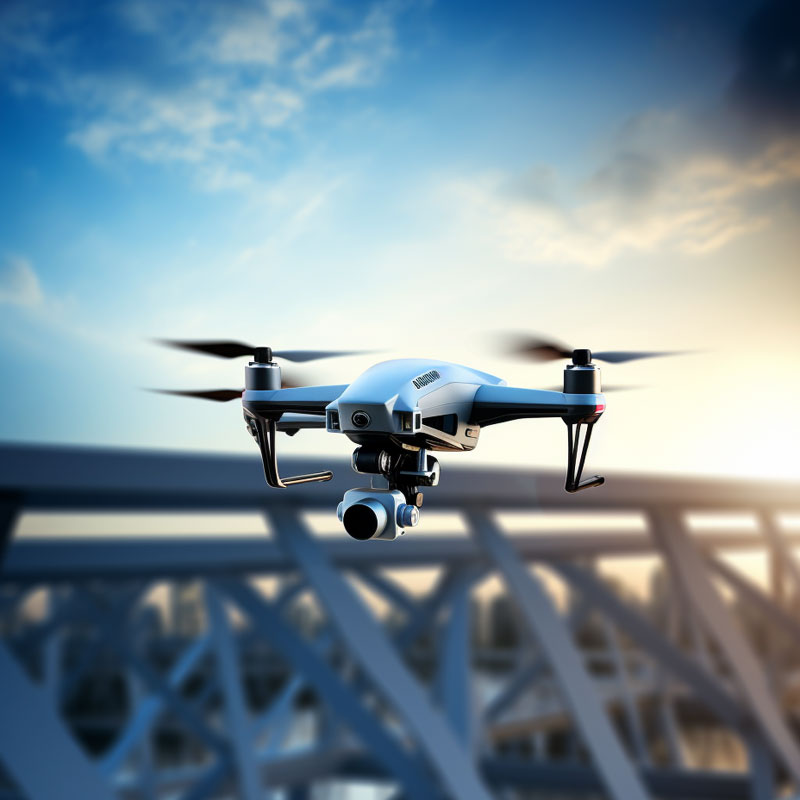
Tethered drones are connected to the ground via a physical tether, usually a cable, which is responsible for supplying power from a ground unit. This enables the drone to remain airborne for unlimited periods without needing to land for recharging, unlike untethered drones. This feature is invaluable for operations requiring extended flight times, such as border surveillance and large-scale event monitoring. The tether can also relay data, allowing for real-time information transfer, enhancing operational efficiency significantly.
Advantages of Tethered Drones
- Longer Flight Duration: Unlike traditional drones, tethered variants can stay in the air indefinitely, as long as the power source remains uninterrupted.
- Stable Positioning: The tether helps the drone maintain a stable position in adverse weather conditions, making it ideal for data-gathering missions.
- Secure Data Transmission: Tethered drones provide a secure data transmission channel, minimizing the risk of interception, which is crucial for sensitive operations.
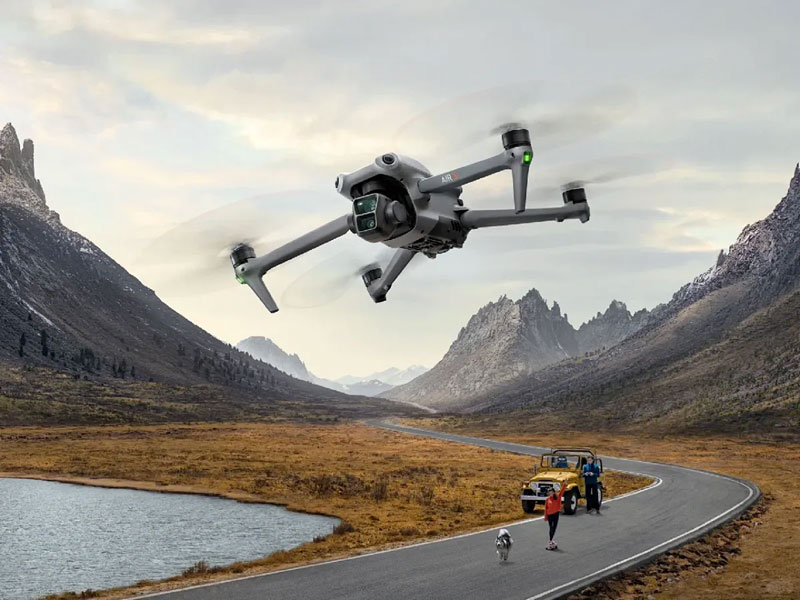
The advantages tethered drones offer are pivotal in scenarios where continuity and stability of surveillance are critical, especially in military and security sectors. Their ability to provide uninterrupted views and reliable communication is unmatched, establishing them as an integral asset for defense strategies.
Applications in Various Industries
The versatility of tethered drone technology extends across multiple industries. Surveillance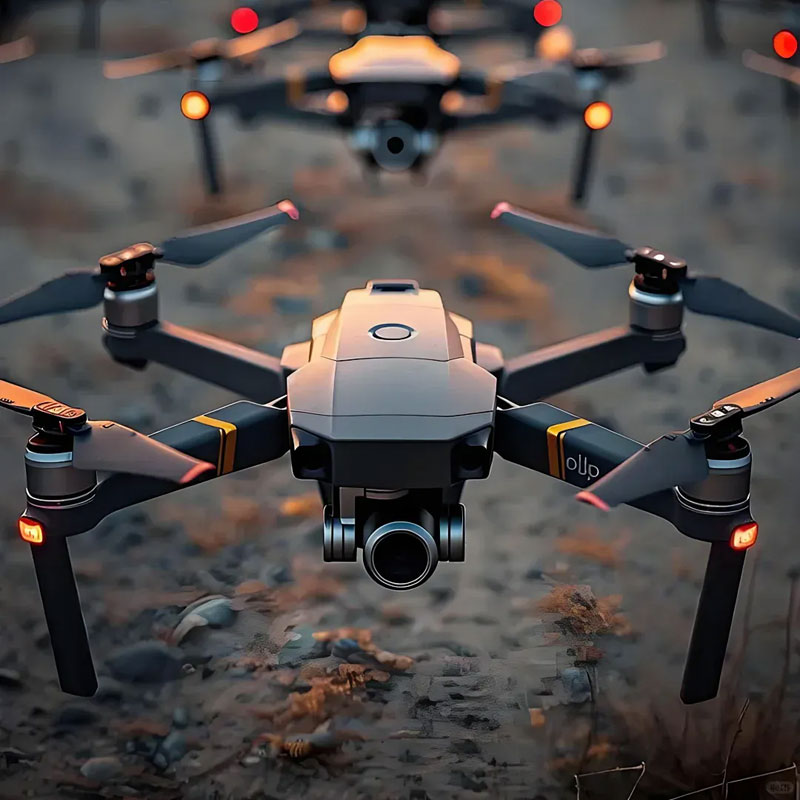 is one of the primary fields where tethered drones are increasingly deployed, providing persistent eyes in the sky for border control, event monitoring, and disaster site management. In the energy sector, they are used to inspect infrastructure such as pipelines and power lines, drastically reducing the need for human involvement and thus increasing safety. Communication towers also benefit from tethered drones, which act as temporary communication points in areas with poor network coverage.
Potential Challenges
Despite their numerous benefits, tethered drones come with limitations. Their mobility is restricted by the length and strength of the tether. Another concern is the physical obstruction posed by the tether, which can limit maneuverability and require careful planning during operations. Furthermore, tethered systems are often heavier due to additional equipment needed, impacting transport and deployment logistics.
Future Prospects and Innovations
With advancements in technology, the tethered drone industry is set to witness significant innovations. Efforts are being made to enhance the range and flexibility of tethers, potentially incorporating hybrid systems where drones can switch between tethered and untethered modes. Moreover, miniaturization of components could allow lighter and more compact versions, broadening their application scope.
FAQs
Q: What is the maximum altitude a tethered drone can achieve?
A: The maximum altitude is generally restricted by the tether length and local regulations, but many systems operate comfortably up to several hundred meters.
Q: How is data secured during transmission via the tether?
A: Data security is ensured through encryption protocols embedded within the system, providing a secure channel for data transmission.
Q: Can tethered drones be deployed in emergency situations?
A: Yes, tethered drones are highly effective in emergencies due to their rapid deployment capabilities and ability to maintain continuous surveillance and communication links.
As industries increasingly seek reliable and continuous aerial surveillance solutions, tethered drones offer unparalleled potential. Their integration into more mainstream applications will further establish their role in modern technological advancements.