
In recent years, the fascinating emergence of drones has captivated our imagination, particularly when these technological marvels illuminate the night skies. The notion of drones soaring amidst the stars offers an enticing glimpse into the future, where aerial devices may become commonplace, not just for commercial purposes but also for sheer entertainment and scientific exploration. The increasing presence of drones in the sky at night has led to intriguing discussions around their applications, safety measures, and impact on privacy.
Drones Illuminating the Night Sky
The potential for using drones after dusk is expanding, especially in industries such as film production, event management, and agriculture. Equipped with state-of-the-art cameras, drones can capture extraordinary aerial footage at night, revealing perspectives that were previously impossible. This trend offers not only aesthetic appeal but also enhances storytelling capabilities, allowing creators to weave narratives that are richer and more immersive.
The use of drones in nighttime events, such as concerts and festivals, is another area of growing interest. Imagine synchronized fleets of drones performing aerial displays, their LED lights dancing across the sky in a choreographed spectacle, transforming the night into a canvas of lights and patterns. Such performances not only create unforgettable experiences but also showcase technological advancements in drone maneuverability and control.
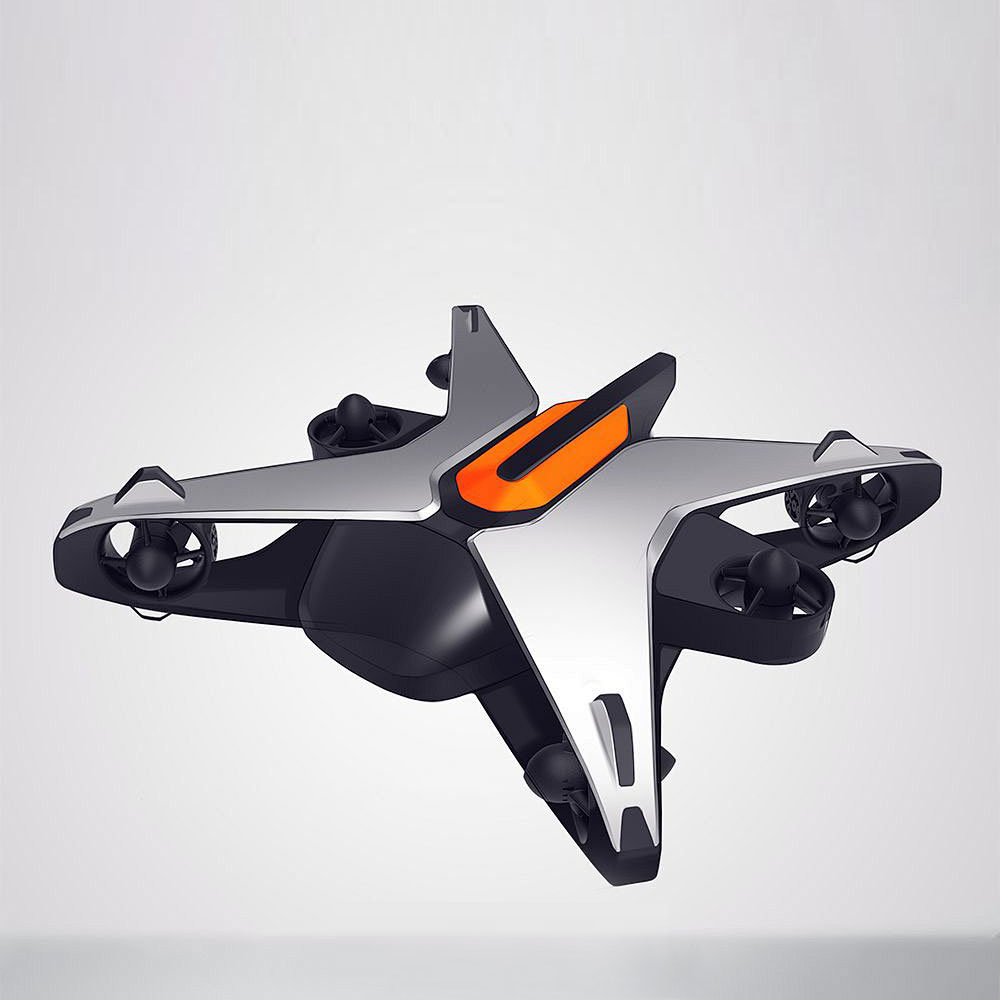
Privacy and Security Concerns
With the increasing deployment of drones during nighttime, questions around privacy and security inevitably arise. The ability of drones to observe and capture footage without detection can be unsettling. Hence, regulations governing drone usage during night hours are crucial to ensuring that privacy rights are upheld. It’s essential that drone operators adhere to local laws and guidelines, which are designed to mitigate the risk of privacy invasion.
- Certain regions mandate that drones must contain specific lighting equipment to remain identifiable in the night sky—a step that aids in preventing unauthorized surveillance.
- Additionally, technological advancements now offer encrypted communication systems that protect data collected by drones, safeguarding against potential breaches.
Technological Advancements and Limitations
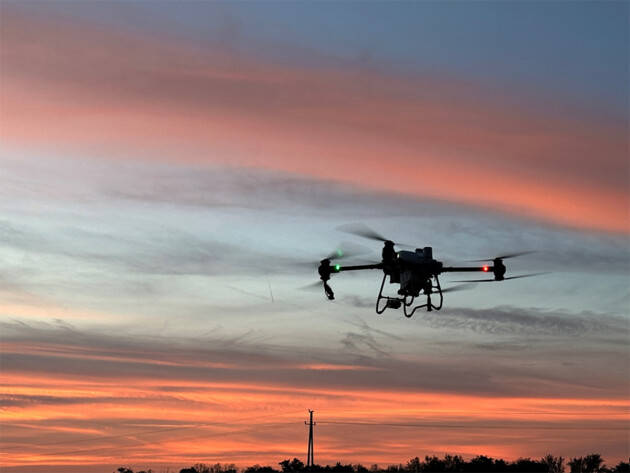 While the allure of drones at night continues to grow, technological and logistical challenges persist. Battery life remains a significant limitation, often restricting the duration of nighttime flights and necessitating innovations in energy efficiency. Moreover, impaired visibility poses navigational challenges, demanding sophisticated GPS and infrared systems to ensure safe and accurate flight paths. The development of machine-learning algorithms allows drones to adapt rapidly to changing atmospheric conditions and obstacles encountered during nighttime operations. These advancements promise to overcome existing limitations, paving the way for broader applications and more robust safety protocols.
By integrating thermal imaging and advanced sensorial equipment, drones can effectively survey areas that are otherwise invisible to human eyes, such as disaster-stricken locations where nighttime observations are crucial.
FAQs Regarding Nighttime Drone Usage
Why are drones increasingly used at night?
Drones are used at night to exploit quieter airspace for capturing unique footage, conducting surveillance, and performing entertainment displays without daytime restrictions.
How do drones impact privacy when used at nighttime?
Drones can raise privacy concerns due to their ability to film unnoticed. Regulations are vital in dictating usage to minimize risks of privacy infringement.
Are there special requirements for flying drones at night?
Yes, drones must often be equipped with lights for visibility, and operators must adhere to specific guidelines to ensure safety and compliance with privacy laws.