
Understanding Spray Drones
Spray drones are unmanned aerial vehicles (UAVs) equipped with spraying mechanisms that allow for the precise application of pesticides, fertilizers, and water over crops. These drones operate autonomously or can be controlled manually, providing flexibility depending on the farmer’s needs. The technology harnessed in spray drones enables detailed mapping of fields, identification of problem areas, and targeted spraying, reducing wastage and enhancing yield.
Advantages of Using Spray Drones
- Efficiency: Spray drones cover large areas swiftly and can navigate various terrains effortlessly.
- Cost-Effective: They reduce labor costs and minimize resource usage by applying chemicals precisely where needed.
- Environmentally Friendly: Using spray drones can significantly diminish chemical runoff, safeguarding nearby ecosystems.
Technological Features
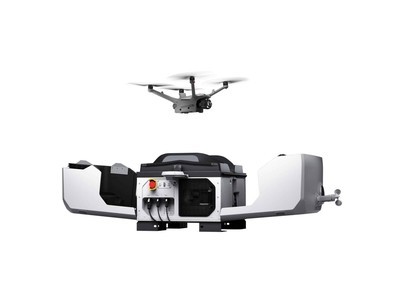
Sophisticated components like GPS, high-resolution cameras, and advanced navigation systems contribute to the capabilities of spray drones. These technologies enable them to scan fields, adjust spraying patterns based on real-time data, and ensure consistent application across different crop types.
Furthermore, many drones come equipped with AI-driven software that helps in distinguishing healthy crops from those needing attention. This intelligent system can anticipate weather variations and optimize spraying schedules for maximum effectiveness.
Adapting to Climate Change
As climate change continues to play an unpredictable role in crop yields, spray drones offer adaptive solutions for modern farming. They provide resilience against fluctuating weather conditions by ensuring that crops receive tailor-made care promptly.
Due to drones’ precision, farmers can effectively combat diseases and pests that thrive due to changing climates, ensuring food security amidst global environmental challenges.
The Future of Spray Drone Technology
This technology is advancing rapidly, with new models being lighter, more energy-efficient, and equipped with better software integrations to aid farmers in managing their fields seamlessly. Collaboration between farmers, technologists, and environmentalists is crucial in pushing this technology forward, emphasizing sustainable farming practices.
Frequently Asked Questions
Q1: How do spray drones improve crop yields?
The precision of spray drones in applying fertilizers and pesticides ensures that crops receive adequate nutrition and protection, leading to healthier growth and improved yields.
Q2: Are spray drones safe for the environment?
Yes, due to their precision in application, spray drones reduce chemical runoff, minimizing environmental impact compared to traditional methods.
 Q3: What are the challenges of implementing spray drone technology?
Initial costs and technical training can be barriers, but as technology progresses, these challenges are expected to diminish, with support becoming more widespread.