
Discovering the Potential of Helicopter Drone Technology
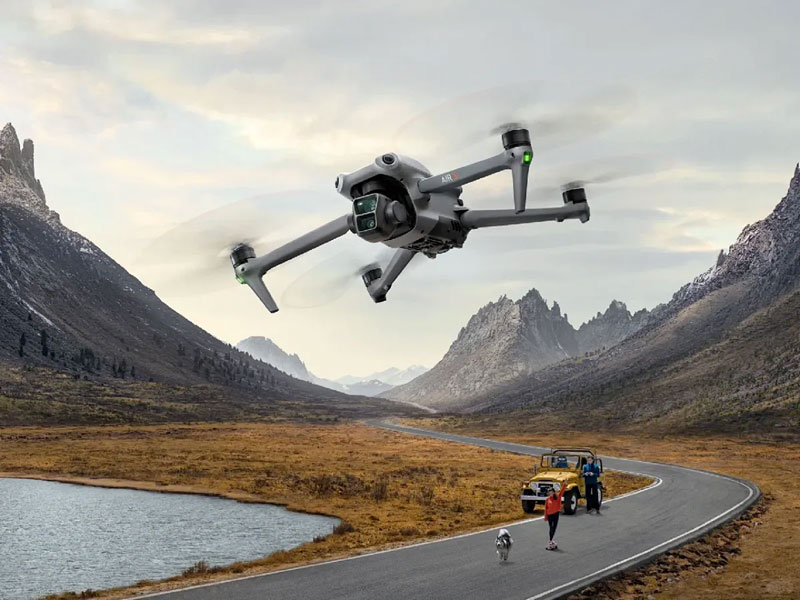
In the rapidly evolving world of aviation, helicopter drone technology is paving the way for numerous breakthroughs in diverse fields. Whether it’s for rescue missions, transportation, or recreational activities, these innovative devices offer versatile solutions to many challenges. At the heart of this technological progress is the ability of helicopter drones to combine the strengths of traditional helicopters with the agility and convenience of modern drone systems.
Advantages of Helicopter Drones
Helicopter drones exhibit several notable advantages. Primarily, their vertical takeoff and landing capabilities make them ideal for navigating confined spaces. This feature is particularly beneficial in urban environments and remote areas where traditional aircraft might struggle. Additionally, the compact size and lightweight design of helicopter drones allow for increased maneuverability and reduced energy consumption.
Applications in Various Industries
Beyond their technical attributes, helicopter drones are redefining industries such as agriculture, filming, and disaster management. In agriculture, they assist in monitoring crops and delivering precise pesticide treatments. Meanwhile, filmmakers appreciate the aerial perspectives provided by drones, enabling breathtaking shots that were once unattainable. In disaster management, helicopter drones play a crucial role in assessing hazards, locating survivors, and delivering aid more efficiently.
Innovations Driving Progress
Several technological advancements are driving the progress of helicopter drone technology. Enhanced GPS systems and advanced sensors are contributing to improved navigation and obstacle detection. Furthermore, the integration of AI capabilities allows these drones to achieve autonomous flight while adjusting to changing environments.
Environmental Impact and Sustainability
Concerns regarding environmental implications and sustainability are also being addressed through helicopter drones. Their ability to perform tasks with minimal noise and reduction in fuel consumption makes them a more eco-friendly alternative to traditional helicopters. Researchers are continually working on optimizing energy sources to further decrease the ecological footprint.
Challenges and Future Prospects
Despite their benefits, helicopter drones face challenges such as regulatory hurdles and public acceptance. Navigating airspace regulations and ensuring safety standards require meticulous planning and cooperation with authorities. However, as technology advances and these obstacles are overcome, the future prospects for helicopter drones seem promising, with expectations of more widespread adoption and enhanced functionalities.
Conclusion
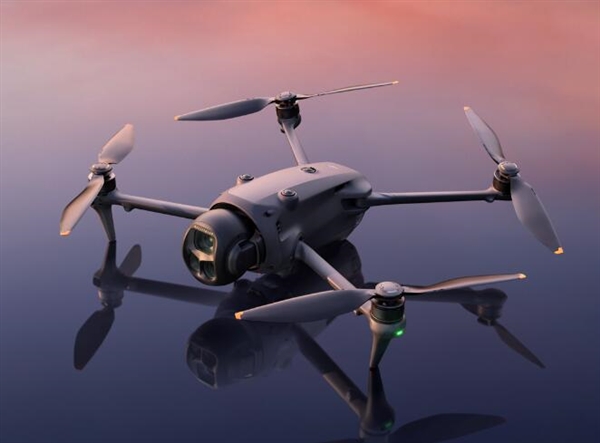
In summary, helicopter drone technology represents a transformative shift in aviation, introducing more flexibility, efficiency, and sustainability. With continued research and development, these drones are set to revolutionize various sectors and improve our way of life.
FAQs on Helicopter Drones
- What is the primary benefit of helicopter drones?
- The main benefit is their ability to perform vertical takeoffs and landings in confined spaces, which makes them highly versatile in various environments.
- How are helicopter drones contributing to environmental sustainability?
- They help reduce noise pollution and fuel consumption, making them an eco-friendly alternative to traditional aircraft.
- Are there any regulatory challenges for helicopter drone usage?
- Yes, navigating airspace regulations and ensuring safety compliance are significant challenges that require attention and collaboration with legal authorities.