
Drones, commonly referred to as unmanned aerial vehicles (UAVs), have revolutionized various sectors across the United States. The deployment of drones over American skies is an evolving phenomenon with significant implications for industries, everyday life, and regulatory frameworks. In this article, we will delve into how drones are shaping the American landscape, their benefits, challenges, and what the future holds.
Widespread Utilization
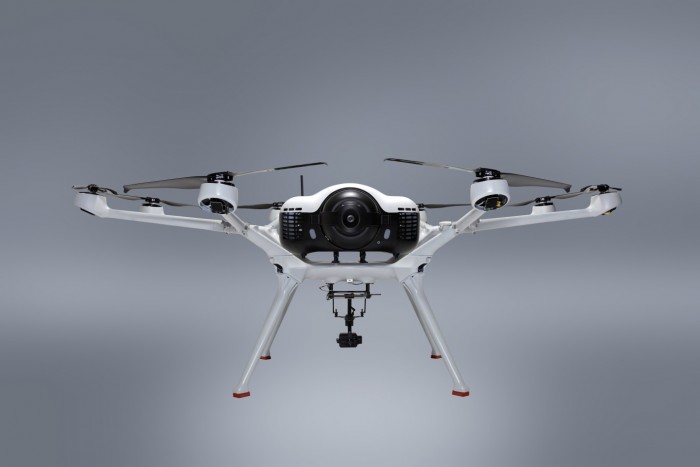
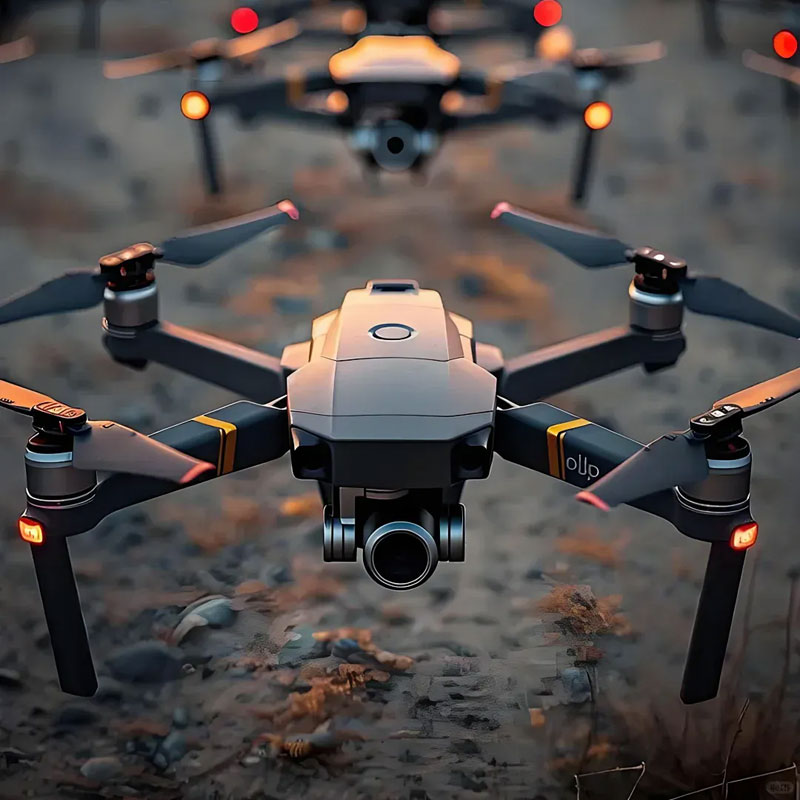 From agriculture to real estate, drones have become a critical tool in optimizing operations. Farmers utilize them for crop monitoring, assessing soil hydration levels, and surveilling large agricultural fields to improve yield predictions. Real estate agents use aerial photography provided by drones to enhance property listings and offer potential buyers a bird’s-eye perspective of the estate, something not possible earlier without significant cost. The filmmaking industry is another domain where drones play a vital role, enabling directors to capture stunning aerial shots that were once prohibitively expensive. Environmental Monitoring Drones aid researchers and conservationists in monitoring wildlife and tracking environmental changes, such as deforestation and endangered species habitats. The capability of drones to access remote areas allows for more frequent and comprehensive data collection while minimizing human environmental interference.
Challenges and Regulatory Obstacles
Despite their advantages, the proliferation of drones presents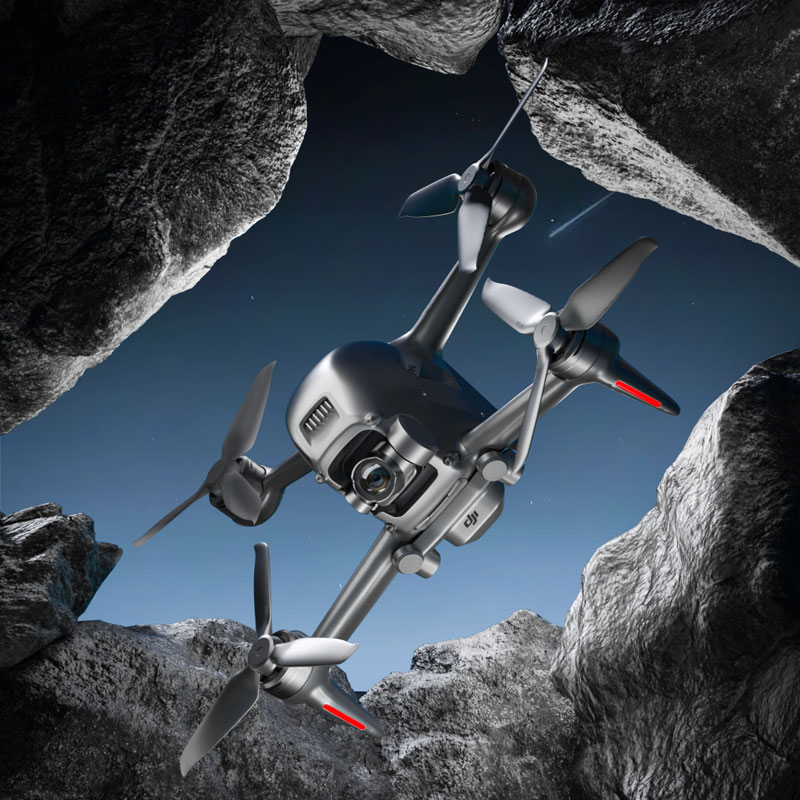 notable regulatory challenges. Privacy concerns arise as drones can easily capture video footages of individuals and properties without consent, leading to debates over civil liberties. Furthermore, safety issues persist, with drones intruding into commercial airspace and posing dangers to passenger aircraft. The FAA in the United States regulates drones by requiring registration and setting guidelines for drone flight to ensure safety and privacy protection.
As drone technology advances, its applications will broaden further, leading to potentially groundbreaking opportunities, such as aerial delivery services and autonomous drones performing emergency medical transport. Enhanced AI integration into drone systems promises smarter navigational capabilities and improved efficiency in various operations. The future will also see refined legislative measures replacing existing outdated restrictions to better address current technological capabilities while safeguarding public interests.
- What industries use drones?
- How are drones regulated in the U.S.?
- What are the privacy concerns with drones?
Industries like agriculture, real estate, filmmaking, and environmental monitoring extensively use drones for various applications.
The FAA regulates drones by enforcing registration requirements and setting safety and operational guidelines to protect privacy and airspace safety.
Drones can capture images and videos of private properties and individuals without permission, raising privacy concerns.
In summary, while drones over United States skies present promising potentials, they also pose regulatory and ethical challenges that need careful consideration and balanced policy-making.