
In recent years, the use of police drones at night has become an increasingly prevalent method for law enforcement agencies to enhance surveillance capabilities. These drones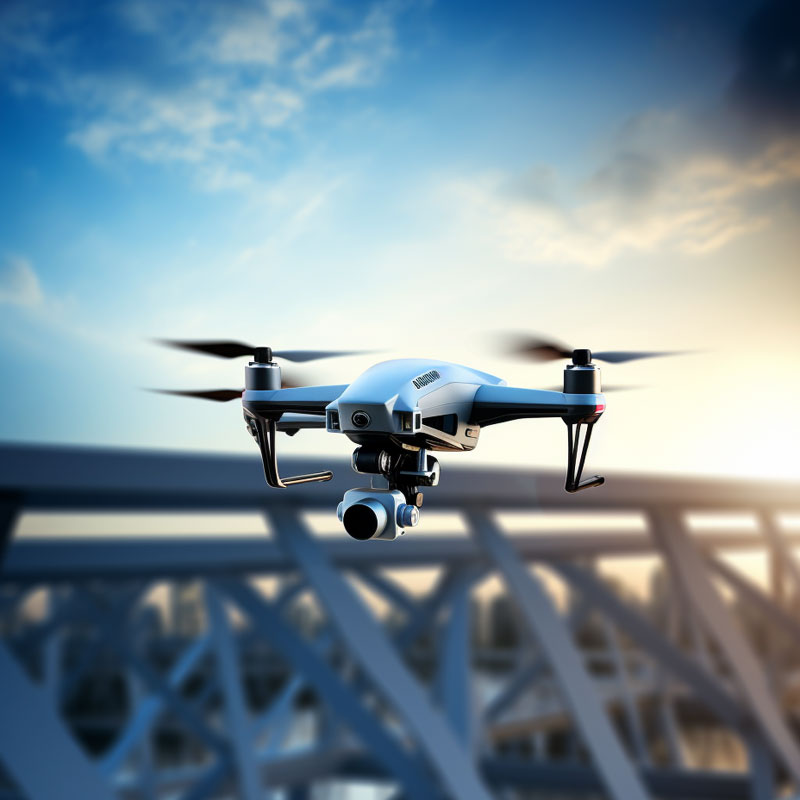 provide a new dimension to community watch, particularly during nighttime operations when visibility is a challenge. The concept of utilizing unmanned aerial vehicles (UAVs) at night introduces both advantages and potential concerns regarding privacy and ethical implications.
Advantages of Nighttime Drone Use by Police
Drones equipped with infrared cameras and thermal imaging technology significantly boost the ability of police forces to monitor activities in dark environments. This increased visual acuity aids officers in detecting suspicious activities that would otherwise be hidden under the cover of darkness. Moreover, drones offer a bird’s-eye view, allowing for extensive coverage over large areas quickly and efficiently, which is crucial during emergencies or searches for suspects.
Enhancing Public Safety
The application of police drones at night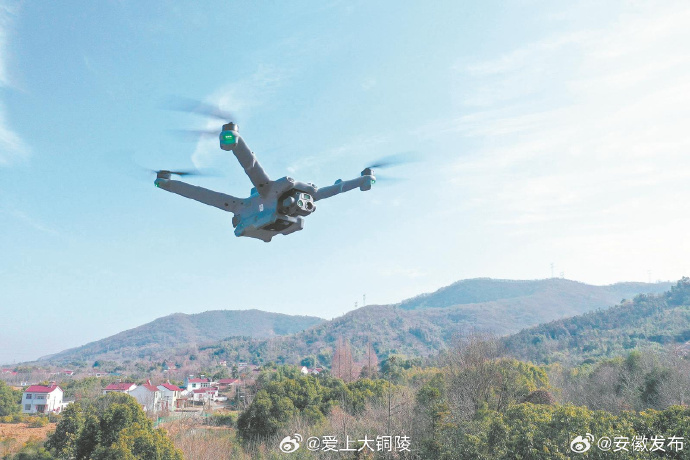 is not solely about monitoring but also enhancing public safety. Their presence can deter criminal activities, as perpetrators are aware that their actions might be observed and recorded. Additionally, drones can be deployed to provide real-time information during rescue missions, locating individuals in distress, or delivering critical supplies.
Another key advantage is cost-effectiveness. Traditional aerial surveillance methods, such as helicopters, are expensive and resource-intensive. In contrast, drones offer a more economical solution that can be deployed rapidly without the need for extensive resources or manpower.
Addressing Privacy Concerns
While the benefits are evident, the use of police drones at night raises valid concerns regarding privacy. Communities are increasingly worried about the surveillance state, questioning how data collected during these operations is stored, accessed, and used. Implementing strict guidelines and transparency policies is imperative to balance the benefits of nighttime drone surveillance with citizens’ rights.
Legal and Ethical Implications
There are ongoing debates surrounding the legal frameworks governing the operation of drones by police forces. Establishing clear regulations that define the boundaries and limitations of drone usage is essential to prevent misuse and ensure accountability. Policymakers must consider these facets to protect civilians’ privacy while allowing police to utilize technological advancements effectively.
Technological Innovations in Nighttime Drone Operations
Advancements in drone technology continue to evolve, with features like noise reduction for stealthier operation, improved battery life for longer missions, and enhanced AI capabilities for smarter decision-making processes. These innovations empower police drones to be more efficient and precise in their nighttime operations.
Community Engagement and Transparency
For successful integration, community engagement is crucial. Law enforcement agencies should invest in educating the public about the benefits and boundaries of drone usage, and involve community members in discussions about privacy concerns. Transparency in drone operations and the implementation of feedback loops can foster trust between the public and the police.
FAQs
Are police drones allowed to fly over private property at night? The legality depends on local laws and regulations. Generally, police require warrants or specific permissions to surveil private property extensively.
How do police ensure drones don’t invade privacy? Strict protocols and operational guidelines are followed, ensuring drones are used in a manner respectful of privacy, with data collected solely for legitimate purposes.
What happens if a drone crashes?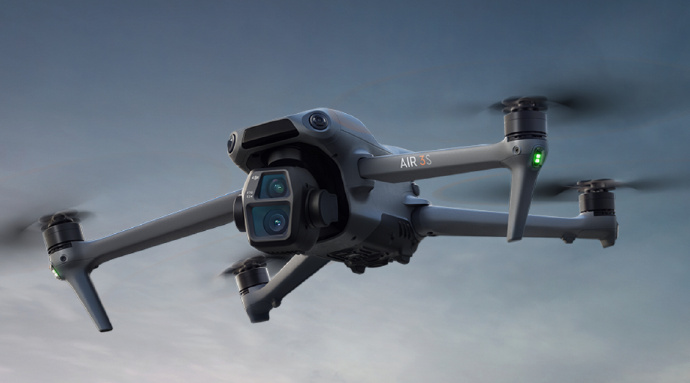 Procedures are in place to handle such incidents, including investigating crash causes and ensuring recovery to avoid data security breaches.