
In recent years, the integration of drones into various sectors has significantly transformed how we approach certain tasks. In particular, the notion of the “drone as a first responder” has emerged as a groundbreaking concept in the domain of emergency services. This innovation is redefining response times, safety measures, and the overall effectiveness of emergency interventions.
Introduction to Drone-Enabled Emergency Response
Drones, equipped with cameras, communication devices, and in some cases, advanced sensors, are now being utilized as first responders to assess situations before human personnel can arrive. This application of drone technology is pivotal in time-sensitive scenarios, allowing for rapid situational awareness.
Why Drones are Effective in Emergency Situations
Drones are able to reach challenging terrains and remote locations faster than ground vehicles. In instances such as natural disasters, where roads may be blocked or damaged, drones can bypass these obstacles and provide critical data to emergency service teams. By offering an aerial view, they help in understanding the scope of an incident and aid in the decision-making process, enhancing the accuracy and efficiency of the response.
Improving Response Times
A primary advantage of utilizing drones as first responders is the reduction in response times. Time is often the most crucial factor in emergencies, whether it be for delivering medical supplies, assessing the damage of an accident, or locating missing persons. Drones can be deployed swiftly and can arrive at the scene much faster than conventional response units, potentially saving lives.
Applications in Various Emergency Scenarios
- Search and Rescue Missions: Drones equipped with thermal imaging can locate missing persons even in dense forests or rugged terrains.
- Natural Disasters:
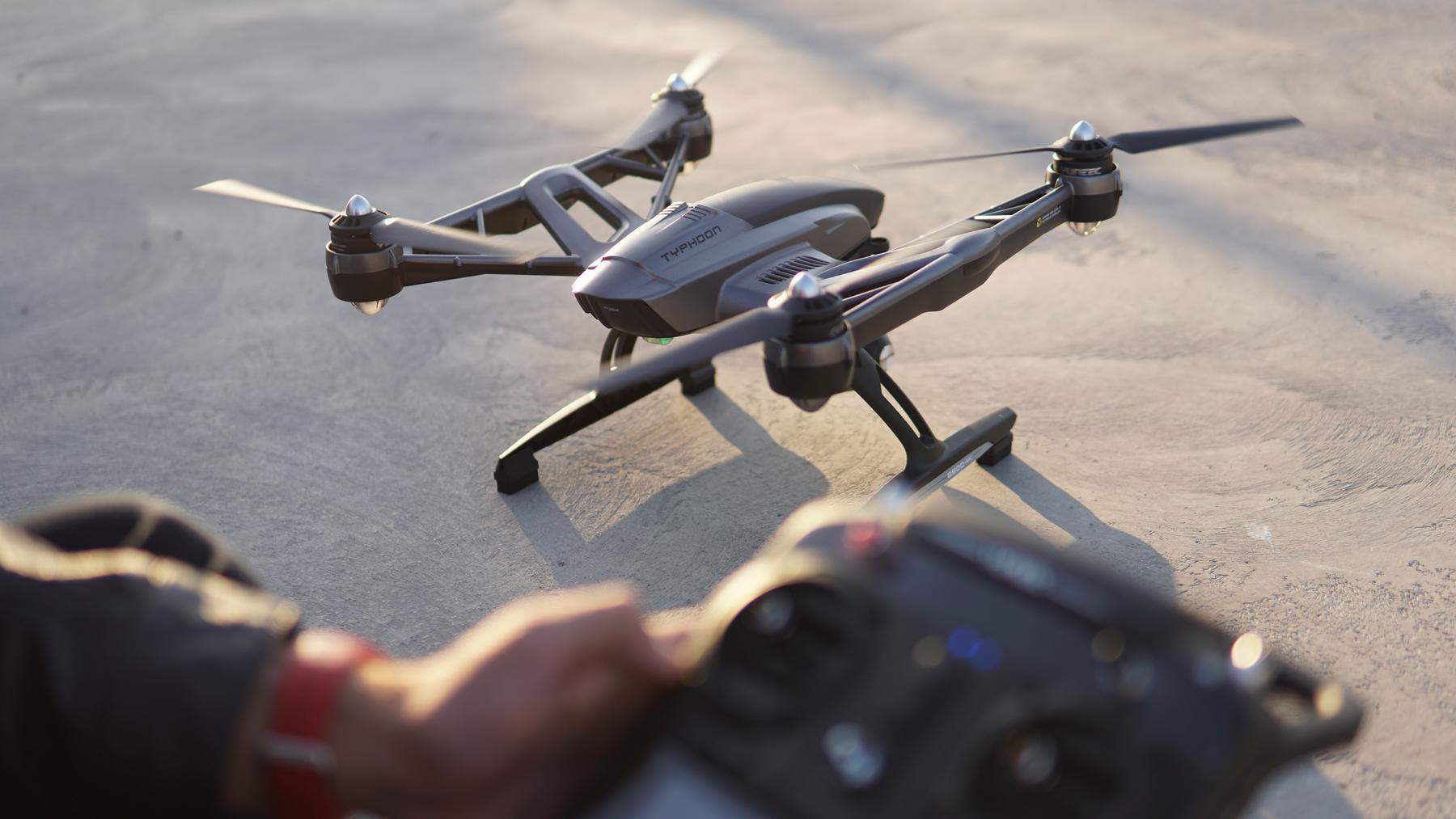 In events such as hurricanes or earthquakes, drones can provide real-time data on areas hit hardest, facilitating quicker relief operations.
 - Firefighting: Drones can access areas too dangerous for firefighters, relay information about fire spread, and even drop extinguishing agents.
The Technology Behind Drones as First Responders
Modern drones are equipped with GPS, real-time data transmission systems, and advanced imaging technologies. These features make them invaluable tools for assessment and communication during emergencies. Furthermore, advancements in artificial intelligence allow these drones to process data and provide actionable insights autonomously.
Challenges and Considerations
While the benefits are clear, the use of drones as first responders presents challenges. Regulations regarding airspace, privacy concerns, and the need for trained personnel to operate these devices are significant considerations. There is also the potential technical challenge of ensuring reliable communication between the drones and command centers, especially in complex environments.
Future Prospects
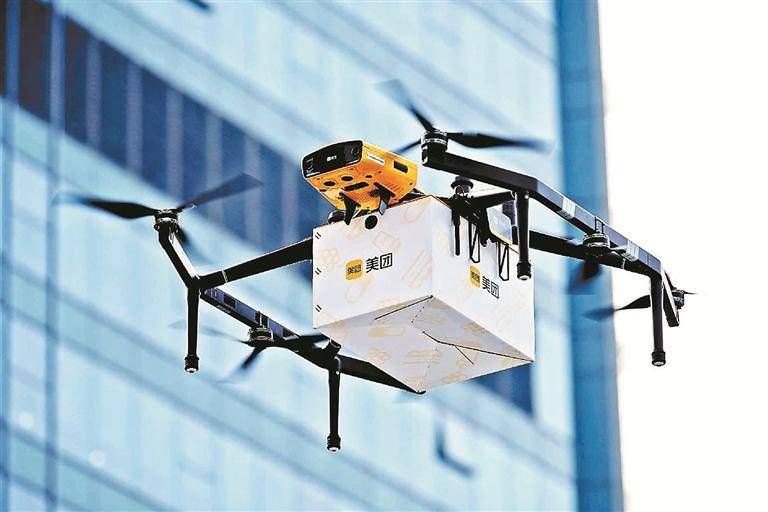
With the continuous evolution of drone technologies, the scope of their applications in emergency services is expected to expand even further. Future drones could be designed to carry heavier payloads, deliver critical medical equipment, or even perform preliminary triage.
Frequently Asked Questions
Q1: How reliable are drones in extreme weather conditions?
Drones are constantly being improved for better performance in various weather conditions. However, extreme situations, such as high winds or heavy rain, do pose challenges, impacting their flight capabilities and the quality of data collected.
Q2: What is the cost-effectiveness of using drones in emergency services?
Initially, the integration of drone technology may seem expensive, but it’s often cost-saving in the long term due to enhanced efficiency and reduced manpower requirements.
Q3: Are there privacy concerns associated with using drones in public areas?
Yes, there are valid privacy considerations. Regulatory frameworks are being established to ensure that drones are used responsibly without infringing on individual privacy rights.
In conclusion, the deployment of drones as first responders is proving to be transformative in emergency services. By significantly reducing response times, providing critical data, and enhancing operational effectiveness, drones are proving to be essential tools in modern emergency response strategies.