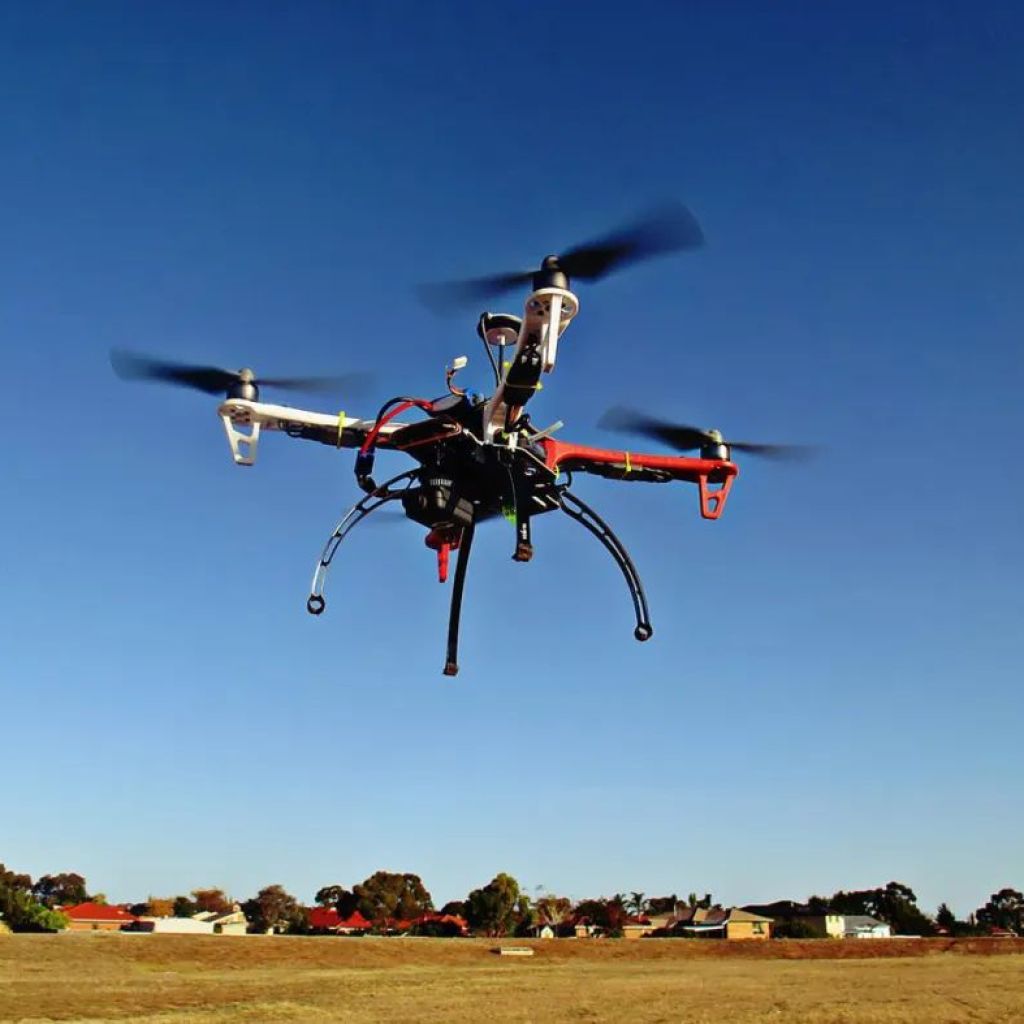
The world of drone flying is an exciting frontier for beginners and enthusiasts alike, offering a wealth of possibilities for exploration and creativity. Whether you’re capturing stunning aerial photography or simply enjoying the thrill of flight, drones provide a unique perspective. For those new to drone flying, mastering the basics is crucial for success and safety.
Understanding Drone Basics
Before taking off, getting familiar with your drone is essential. Most drones come with a remote controller, providing various functions to help maneuver the aircraft smoothly. Ensure your controller is fully charged and synced with your drone. Reading the manual might sound trivial, but it offers valuable insights into your specific model’s capabilities and limitations.
Safety should always be a top priority. Avoid crowded areas, keep distance from obstacles, and ensure compliance with local aviation laws. Flying within line of sight not only prevents accidents but is also legally required in many regions.
Navigating Your First Flight
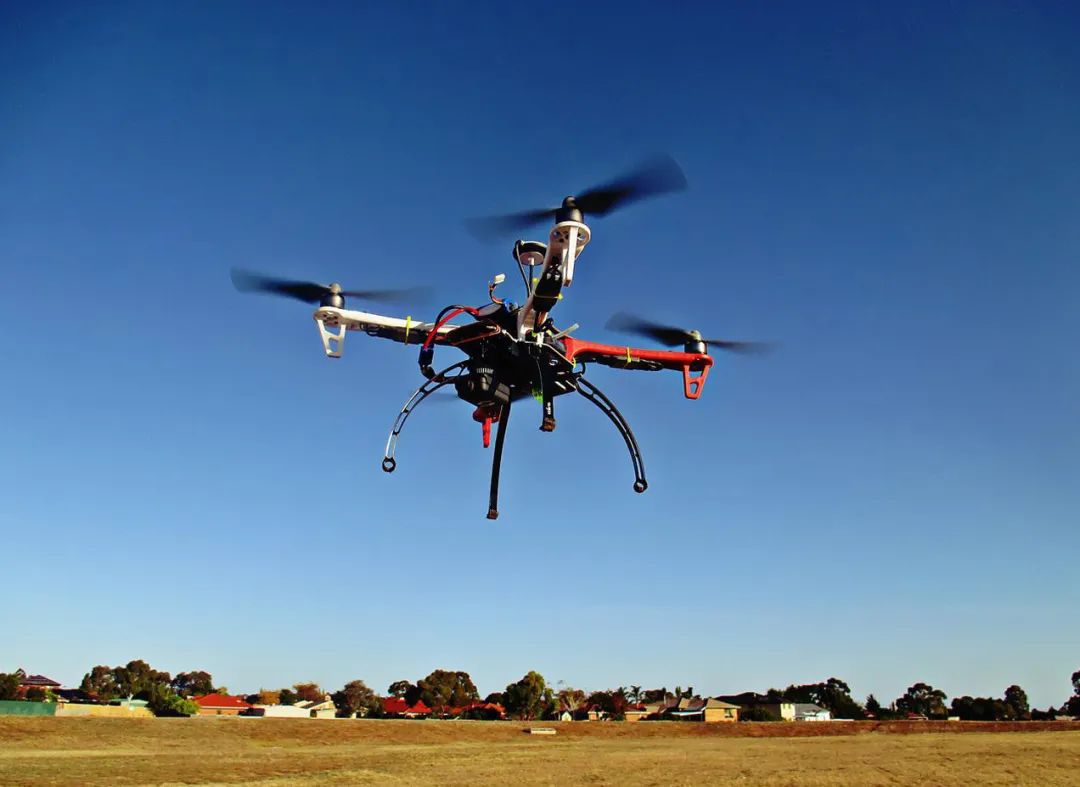
Begin in a spacious, open area to practice the basics of drone flying. Start with hovering, moving forward, backward, and mastering turns. Practicing these fundamentals will build your confidence and skills.
Enhancing Your Skills
Once you’ve mastered the basics, advancing your skills becomes the next step. Try experimenting with different flight modes available on your drone, such as follow-me mode or point-of-interest for capturing dynamic footage. Drone flying isn’t merely about controlling flight; it’s also about honing your photographic skills. Understanding lighting, angles, and movements will elevate your aerial shots significantly.
Regular practice ensures proficiency in handling your drone under various conditions. Windy conditions can be challenging, but developing the skill to manage destabilization will make you more equipped for unpredictable scenarios.
Legal Regulations
Legal compliance cannot be overstated in the realm of drone flying. Obtain necessary permits and understand no-fly zones. Each country has different regulations, and violating these can result in significant penalties. Respect privacy concerns and never fly over private property without permission.
Drone Accessories and Maintenance
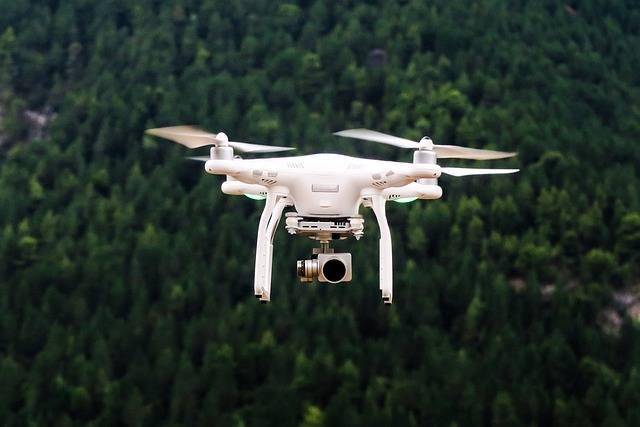
Investing in the right accessories can vastly improve your flying experience. Extra batteries, propeller guards, and carrying cases are valuable additions. Furthermore, regular maintenance such as cleaning propellers and checking for firmware updates will keep your drone in optimal condition.
FAQs
What should I do if my drone loses signal?
Most drones have a return-to-home feature that activates when the signal is lost. Ensure it’s enabled and test it before flying long distances.
Can I fly my drone at night?
Flying drones at night is prohibited in many areas due to safety concerns unless special permissions are granted. Always verify local laws before nighttime flying.
How can I improve my drone flying skills?
Regular practice in various environments and conditions will greatly enhance your skills. Joining communities or clubs can also provide valuable insights and shared experiences.
By embracing these practices and principles, drone flying can be an incredibly rewarding pastime that brings new perspectives and opportunities to both beginners and seasoned enthusiasts.