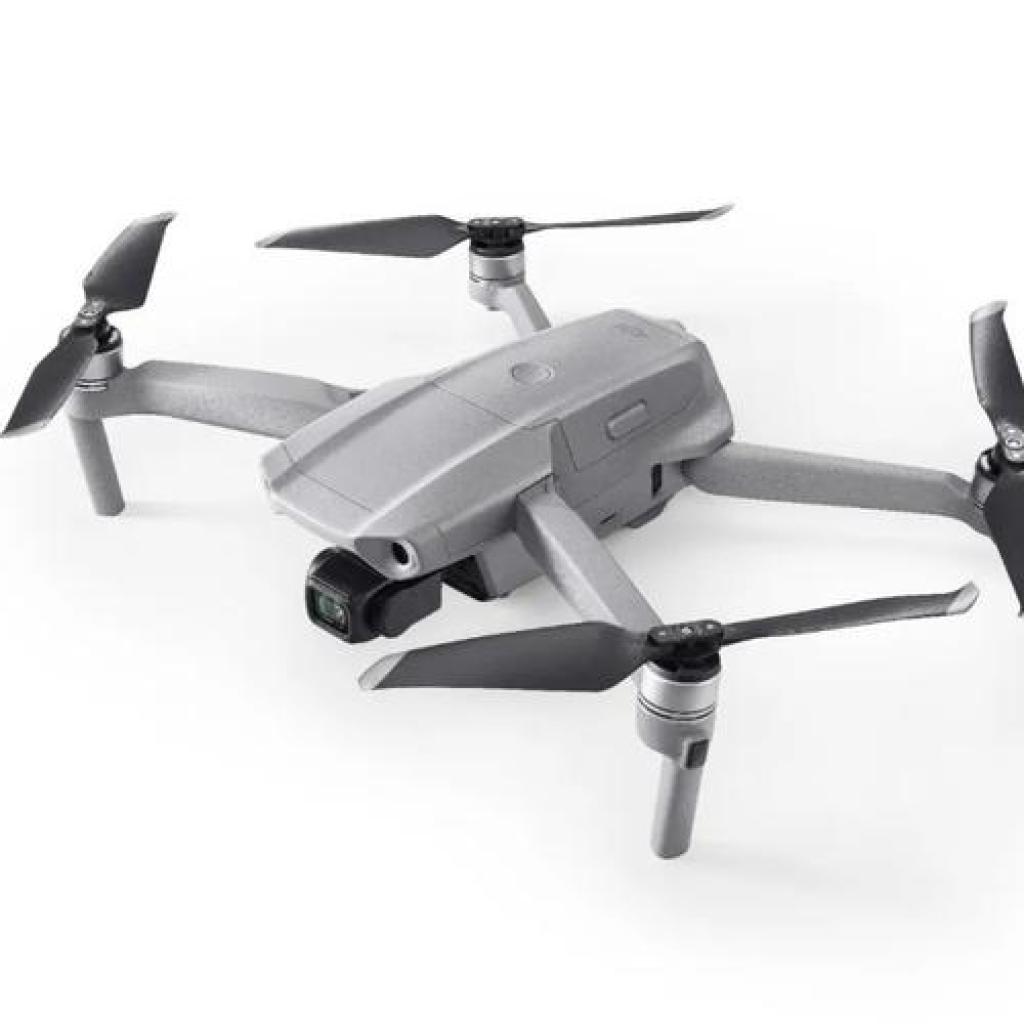
Exploring the Innovative Reaper Drone: Future of Aerial Surveillance
The Reaper drone, formally known as the MQ-9 Reaper, represents a significant advance in aerial surveillance and strike capabilities. This unmanned aerial vehicle (UAV) is a cornerstone of military operations, known for its versatility and efficacy in a variety of combat and monitoring scenarios. As technology progresses, the Reaper drone continues to adapt, setting new standards for what UAVs can achieve in both warfare and peacetime operations.
The Evolution of the Reaper Drone
Originating from the Predator drone series, the MQ-9 Reaper has been designed with enhanced features, offering improved speed, range, and payload capacity. The advancements in sensor technology and weaponry have made it an indispensable tool for military forces worldwide. Notably, it can be equipped with a variety of armaments and surveillance payloads, making it adaptable to multiple mission profiles, from direct attack roles to reconnaissance missions.
Technological Capabilities of the Reaper Drone
At its core, the Reaper drone is powered by a turbo-prop engine that allows for prolonged flight durations, essential for long missions. It stands out in its ability to provide real-time data to operators, enabling faster decision-making processes. The drone’s precision in targeting is bolstered by cutting-edge GPS technology, which ensures accuracy and minimizes collateral damage.
Moreover, the autonomous capabilities of the Reaper drone are continually being pushed to new heights, aiming to reduce human intervention and increase operational efficiency.
Applications Beyond Military Use
Although primarily designed for military use, the Reaper drone’s features offer potential applications in civilian sectors as well. For instance, in efforts against illegal wildlife trafficking, the drone’s surveillance systems can be utilized to monitor and protect endangered species across large, remote areas. Similarly, its capabilities can be employed in disaster management, providing critical data to aid in rescue and recovery operations.
Ethical Implications and Future Outlook
The deployment of Reaper drones introduces ethical debates concerning privacy and the implications of autonomous warfare. As UAV technologies evolve, these discussions grow more pertinent, prompting stakeholders to develop policies that safeguard human rights while promoting technological advancements. Looking to the future, the Reaper drone inspires innovations in drone technology, setting a benchmark for the development of upcoming UAV models.