
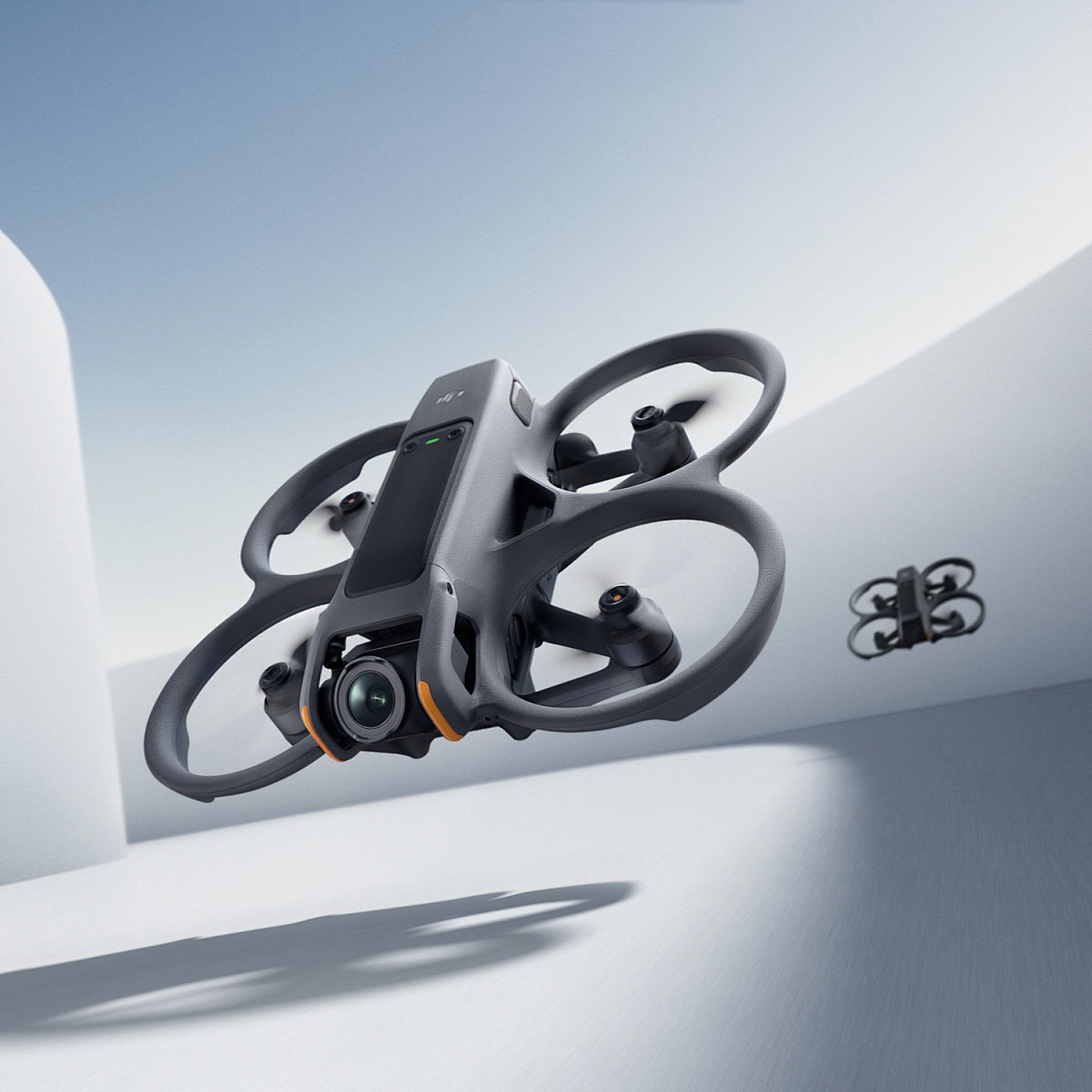
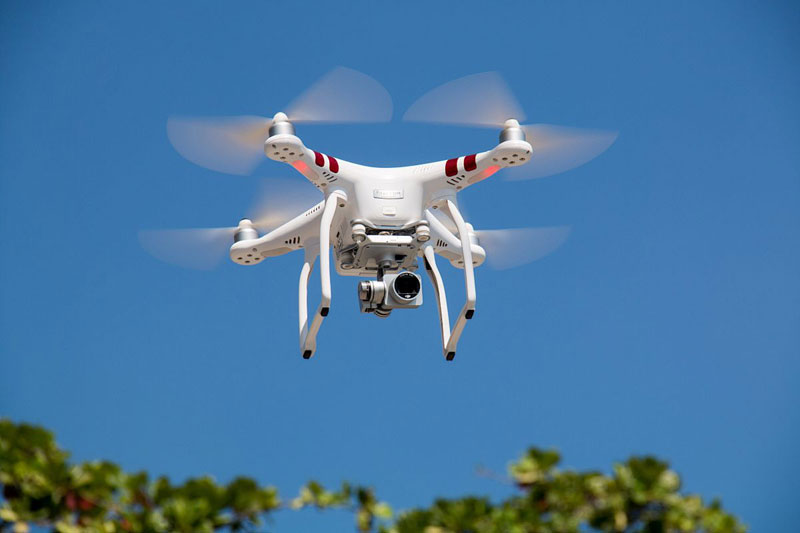
Discover the latest innovation in the world of aerial technology with the emergence of 3D printable drones. These devices offer enthusiasts the opportunity to engage in customized aerial adventures with the versatility and personalization afforded by 3D printing.
What is a 3D Printable Drone?
3D printable drones are unmanned aerial vehicles (UAVs) that can be constructed using 3D printing techniques. This innovative approach allows users to fabricate individual parts of the drone using printers designed to produce components from materials such as ABS, PLA, or nylon. This method provides flexibility in design and modification, enabling hobbyists and professionals alike to tailor drones according to specific preferences or requirements.
Benefits of 3D Printable Drones
There are numerous benefits to using 3D printable drones. First, cost-effectiveness is a significant advantage. As opposed to purchasing a drone straight off the market, creating your own can be more economical, with lower expenses tied to manufacturing and parts. Furthermore, these drones usher in a new wave of customizability. Features such as arm length, frame design, motor type, and weight can be fine-tuned, enhancing flight dynamics and task-specific functions. Additionally, drone enthusiasts with access to 3D modeling software can innovate by crafting unique designs that were previously not available. The ability to rapidly prototype also stands out, as modifications can be tested with minimal investment, leading to iterative improvements and developments in drone technology.
The Path to Creativity and Innovation
Alongside their practical benefits, 3D printable drones stimulate creativity and innovation in the drone community. Design and engineering enthusiasts can experiment with new ideas, potentially transforming aerial experiences. For instance, custom drones can be equipped with various sensors and cameras for unique projects such as aerial photography, surveying, environmental monitoring, or racing. By altering the drone’s physical attributes, users can optimize aerodynamics or stabilize flight, thereby enhancing performance in specific scenarios. Moreover, this opens up educational opportunities, allowing students and researchers to explore real-world applications and experiments in engineering, physics, and technology.
Challenges and Considerations
Despite the exciting prospects, building a 3D printable drone isn’t without its challenges. Quality control is paramount to ensure that parts are reliably robust under flight conditions. Ensuring the right material and printer settings are employed is crucial to avoid structural weaknesses. Additionally, the assembly requires a meticulous approach; users need to have a base understanding of drainage dynamics and electronics to build a functional device. Regulations remain another aspect worth considering. Depending on regional guidelines, flying custom drones may require adherence to specific legal and safety standards. It’s necessary to remain informed about these issues to avoid potential legal drawbacks.
As technology advances, the potential for more sophisticated and capable 3D printable drones grows exponentially. With ongoing R&D aimed at improving materials and 3D printing techniques, the possibility of integrating AI-based components and more efficient power sources looms ever closer. The landscape for aerial vehicles will likely expand and diversify, offering enriched capabilities for commercial and personal use.
 Can I use any 3D printer to make a drone? It’s critical to choose a printer that can handle the material you’re planning to use. Not all 3D printers are suitable for the robust demands of drone parts. What are the costs associated with building a 3D printable drone?
 Costs can vary depending on your chosen design and materials. A key advantage is that it often comes cheaper than buying a ready-made drone, especially if you have access to a 3D printer. Are there legal issues to consider? Yes, regulations can differ greatly depending on your location. It’s essential to check local drone laws to ensure compliance with any restrictions or requirements. Embracing the future skies with 3D printable drones offers limitless possibilities for exploration and innovation in aerial technology.