
In today’s fast-paced world, drone delivery services have emerged as a groundbreaking solution, poised to redefine the logistics industry. As technology advances, the use of drones for delivering packages is becoming increasingly feasible, with a myriad of benefits that promise to enhance both efficiency and customer satisfaction.
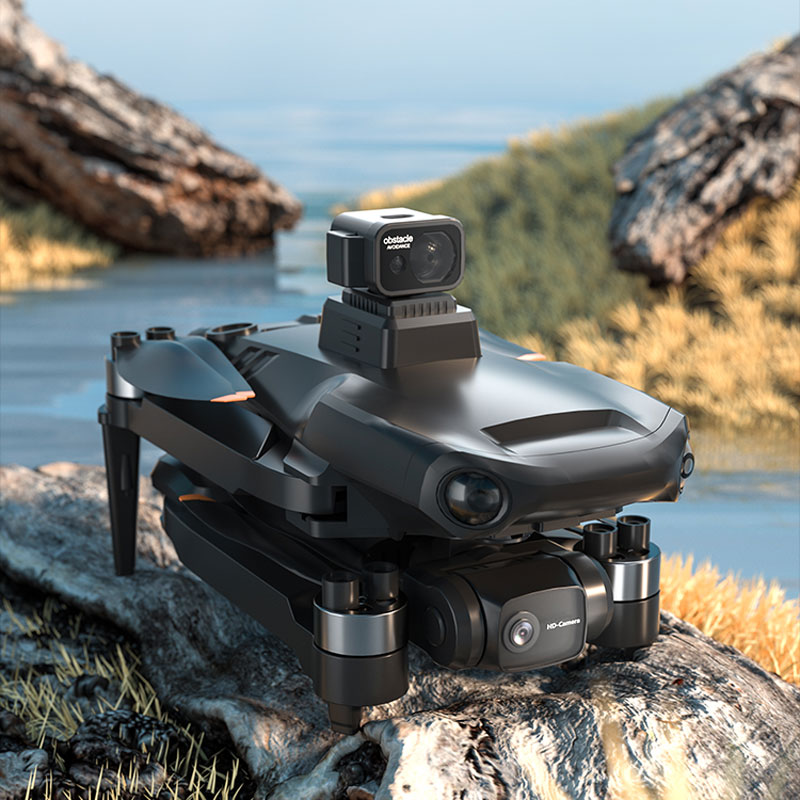
The Rise of Drone Delivery
The concept of using unmanned aerial vehicles (UAVs) for commercial purposes is not new, but recent advancements have made drone delivery an attractive option for businesses. The appeal lies in their ability to bypass traditional road traffic, offering fast and direct delivery routes. Companies like Amazon and UPS have already begun exploratory trials, demonstrating the potential of this technology to transform last-mile delivery.
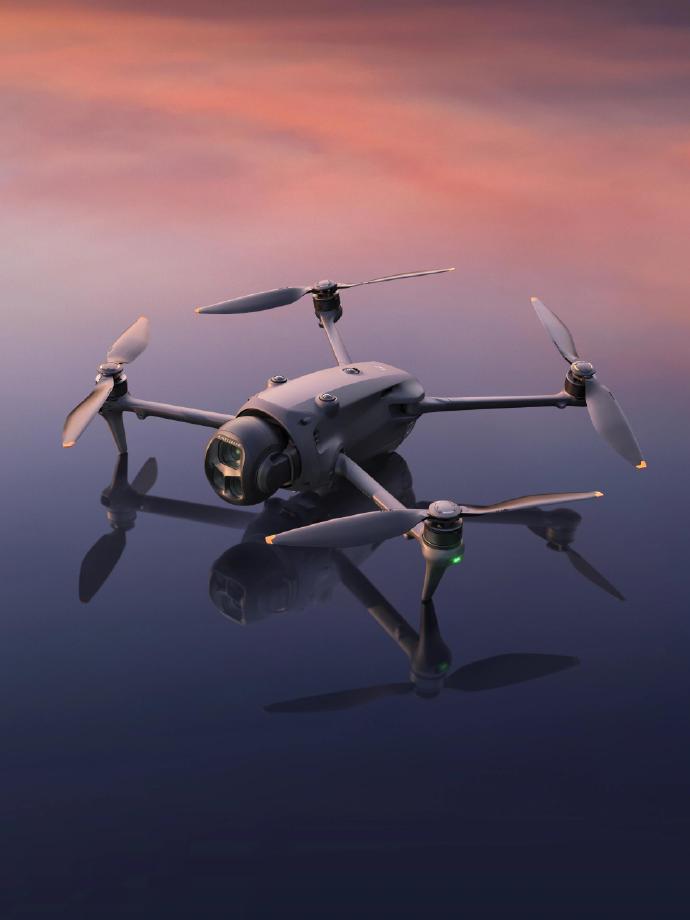
Advantages of Drone Delivery
- Speed: Drones can significantly reduce delivery times, especially in congested urban areas by providing direct routes to the destination.
- Cost-Effectiveness: Reducing the need for human drivers and vehicles, drones could lower operational costs significantly.
- Environmentally Friendly: With zero emissions, drones become an eco-friendly alternative to traditional delivery vehicles.
- Accessibility: For remote and hard-to-reach areas, drones can provide essential services where traditional methods fall short.
Challenges and Considerations
Despite the numerous advantages, integrating drones into mainstream logistics involves several challenges. Regulatory hurdles are perhaps the biggest barrier. Government bodies are still in the process of establishing comprehensive frameworks to manage air traffic and safety regulations effectively.
Technology and Reliability
Technical limitations, such as battery life and payload capacity, also pose significant hurdles. Companies need to solve these issues to ensure reliable and efficient service. Drone delivery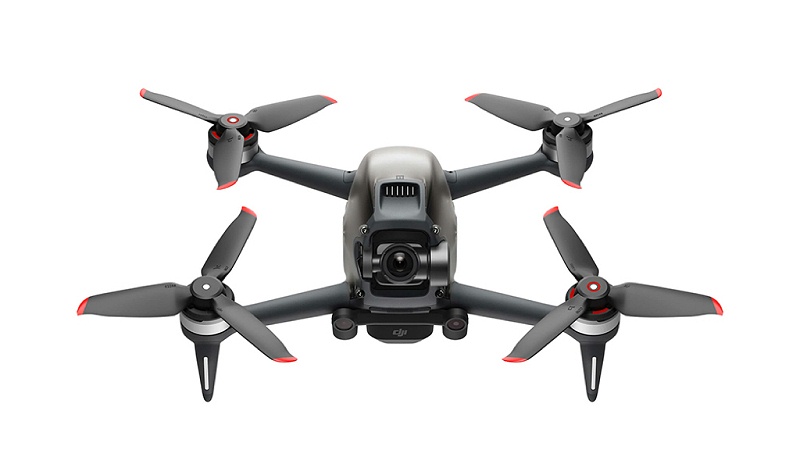 systems must be equipped with robust navigation systems to handle diverse weather conditions and environments.
Public Perception
Public concerns around privacy and safety also play a role in the slow adoption of drone deliveries. Educating the public and addressing these concerns through transparent operations and community engagement can help to build trust in this emerging technology.
Future Potential of Drone Delivery
Looking ahead, the increasing adoption of drone delivery is inevitable, driven by technological advancements and consumer demand for faster services. With improvements in AI and machine learning, future drones will be able to make more intelligent decisions, increasing their reliability and efficiency. A significant revolution in logistics is just over the horizon as companies innovate further using drone technology.
Frequently Asked Questions
Q: What are the main technical challenges facing drone delivery?
A: Key challenges include limited battery life, payload capacity, and the need for highly accurate navigation systems to manage various weather conditions.
Q: How is privacy addressed with drone deliveries?
A: Companies are taking measures such as using cameras only for navigation and not for recording, and implementing strict data protection protocols to alleviate privacy concerns.
Q: Can drones deliver to any location?
A: While drones can reach remote and hard-to-access areas, they are currently limited by technology constraints and regulatory issues. Future advancements may widen their operational scope significantly.