
Firefighting drones are increasingly becoming vital components in the modern landscape of fire management, revolutionizing safety measures and augmenting traditional firefighting strategies. As technology continues to advance, these aerial resources offer significant advantages over conventional firefighting methods. They not only help in detecting and monitoring fires but also play a crucial role in assessing fire intensity and spread, providing real-time data which allows firefighters to make informed decisions swiftly.
The Evolution of Fire Management
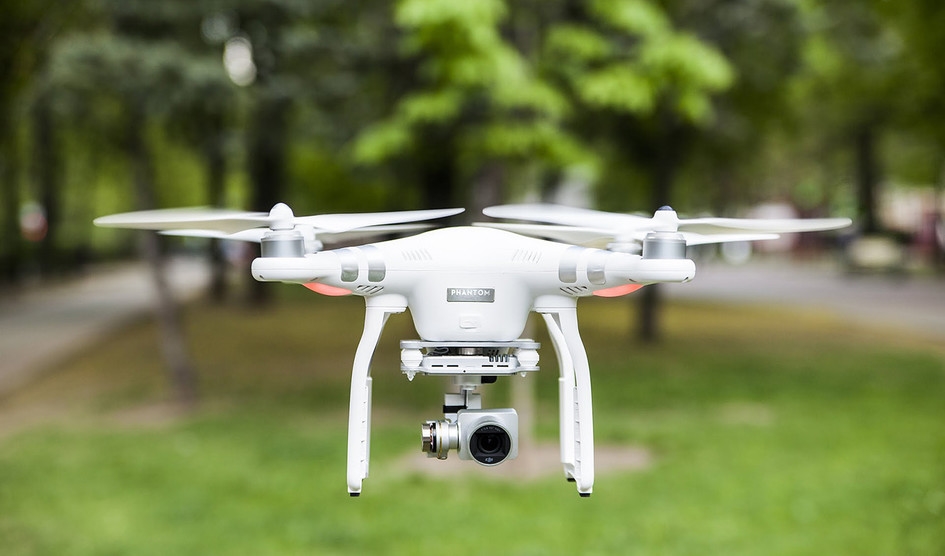
Over the years, fire management has evolved from mere manual efforts to incorporating advanced technology-driven solutions. The introduction of drones has marked a significant turning point in this evolution. Initially, drones served primarily for aerial surveillance, but their role has now expanded to actively engaging in firefighting operations.
Benefits of Using Firefighting Drones
- Enhanced Surveillance: Drones equipped with infrared cameras and sensors can detect hotspots and assess fire spread from above, even in low visibility conditions.
- Accessibility: They can reach inaccessible or dangerous terrains where traditional firefighting approaches might falter.
- Real-time Data: Offering real-time data, drones assist in strategic planning, ensuring resources are deployed efficiently.
Applications in Different Fire Scenarios
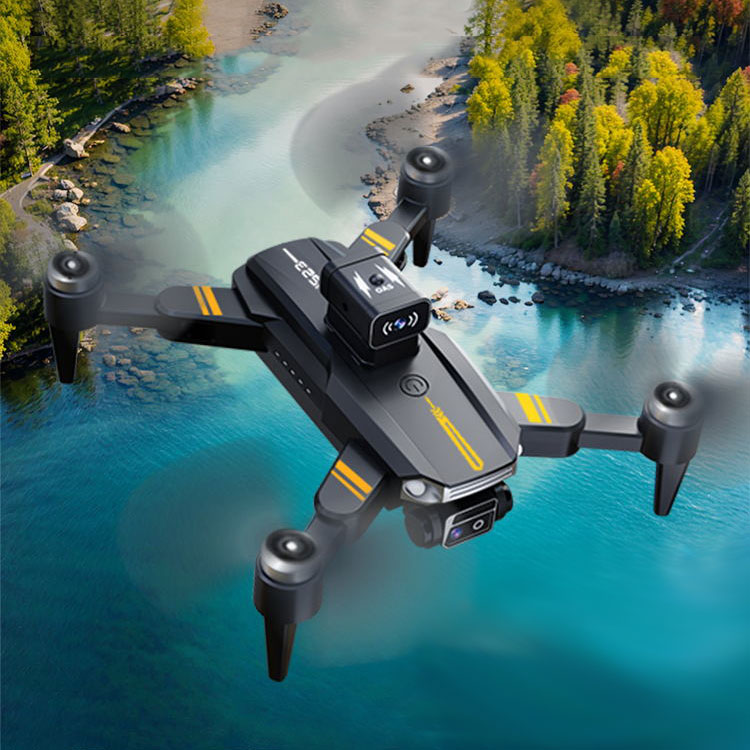
Firefighting drones are adaptable to various fire scenarios, be it forest fires, urban fires, or industrial blaze. In forest fires, they provide crucial images and data that enable the containment of the fire spread. In urban settings, they assist in navigating complex structures, thus aiding in evacuations and resource allocation.
Technological Integrations
The integration of AI and machine learning in drones allows them to predict fire behavior, offering predictive analytics which can be pivotal in preemptive measures. Furthermore, drones can be deployed to carry payloads such as fire retardants and even aid in delivering medical supplies to hard-to-reach areas during wildfire emergencies.
Challenges and Considerations
Despite their benefits, deploying firefighting drones comes with challenges such as regulatory constraints, flight restrictions in certain areas, and the need for skilled operators. Addressing these issues requires comprehensive frameworks to ensure drones can operate seamlessly alongside traditional firefighting techniques.
Future Prospects
As research and development continue, the capabilities of firefighting drones will inevitably expand. Their future prospects include more autonomous operations, enhanced payload capacities, and better endurance for longer missions, making them indispensable tools in fire management.
FAQ
Are drones effective in extreme weather conditions?
Yes, drones designed for firefighting are equipped to handle various weather conditions, although certain extreme conditions may pose challenges. Continuous advancements are reducing these limitations.
How do drones improve the safety of firefighters?
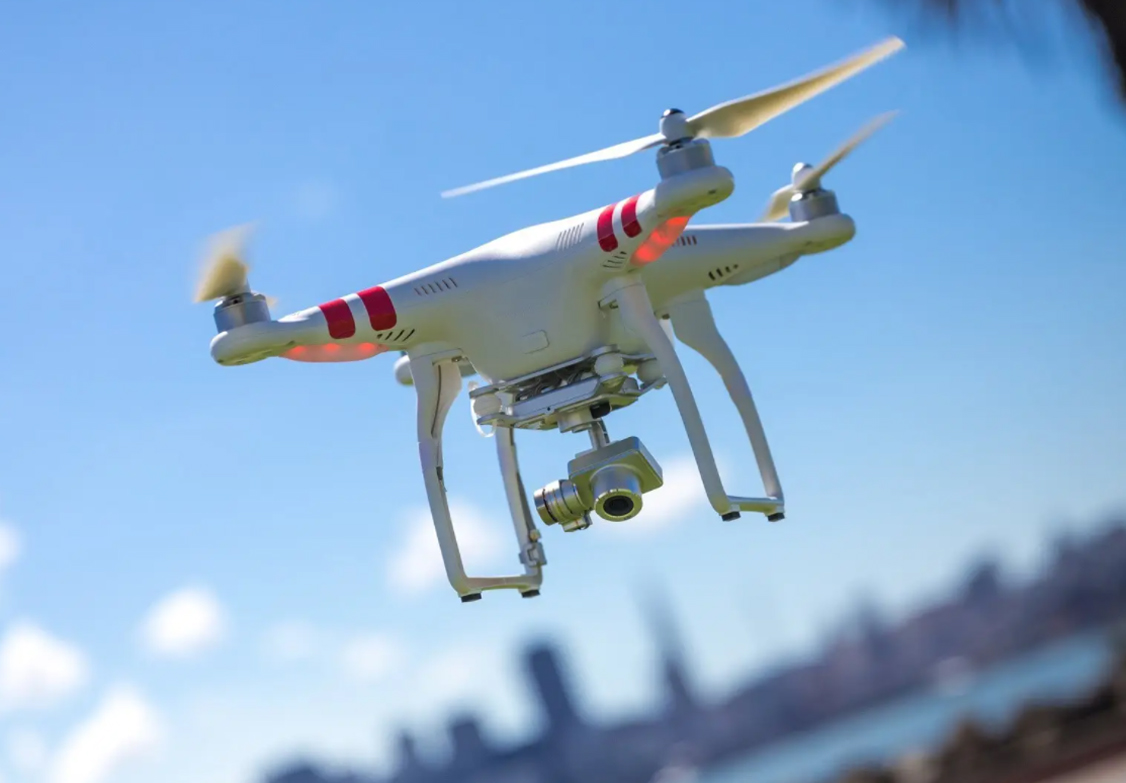
By providing comprehensive data and maps of fire sites, drones help in formulating safer strategies, minimizing direct exposure to perilous conditions.
What is the cost-effectiveness of using drones in fire management?
While the initial investment in drone technology can be substantial, the long-term benefits outweigh costs by improving firefighting efficiency and reducing damage, ultimately saving resources.