
In recent years, surveillance drones have emerged as a transformative force in the realm of security, fundamentally altering how surveillance operations are conducted globally. These unmanned aerial vehicles (UAVs) offer unparalleled advantages in monitoring, data collection, and strategic planning. Their importance in security applications cannot be overstated, especially given their ability to traverse challenging terrains and capture real-time data with precision and efficiency.

The Advancements in Drone Technology
Surveillance drones have advanced technology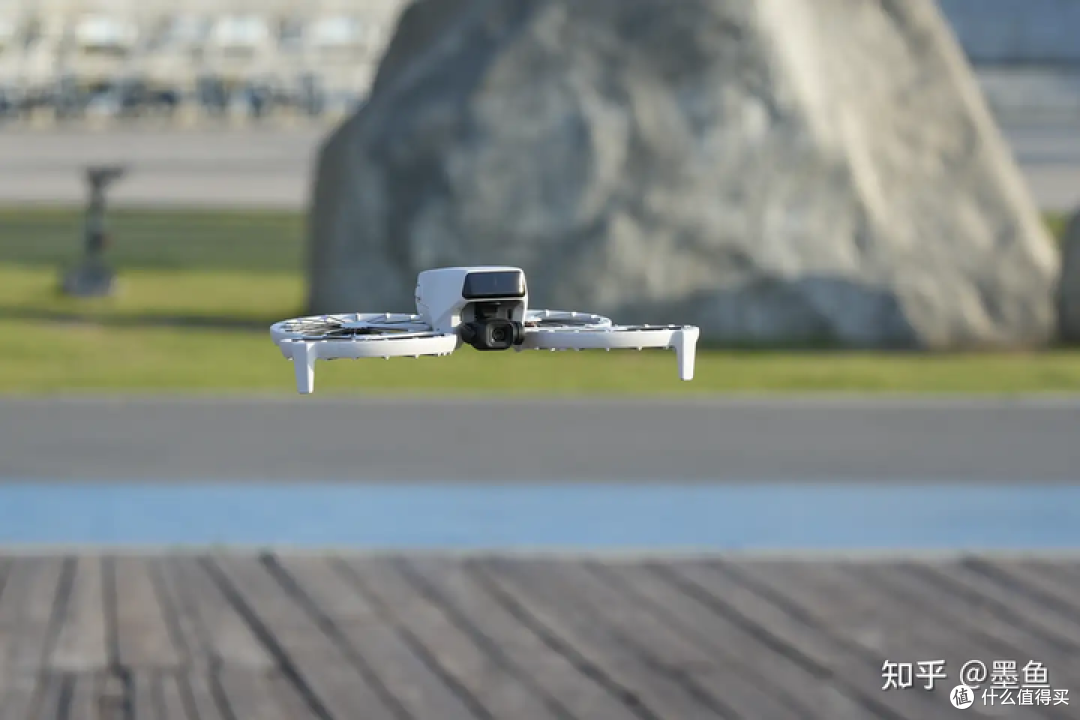 that allows them to carry sophisticated equipment such as high-resolution cameras, sensors, and communication devices. These technologies enable drones to provide a comprehensive overview of large areas, making them essential tools for tasks like border surveillance, disaster management, and crime prevention. Moreover, advancements in artificial intelligence have equipped drones with image recognition capabilities, facilitating the identification of individuals or objects of interest from a distance without compromising detail.
Strategic Impact on Security Measures
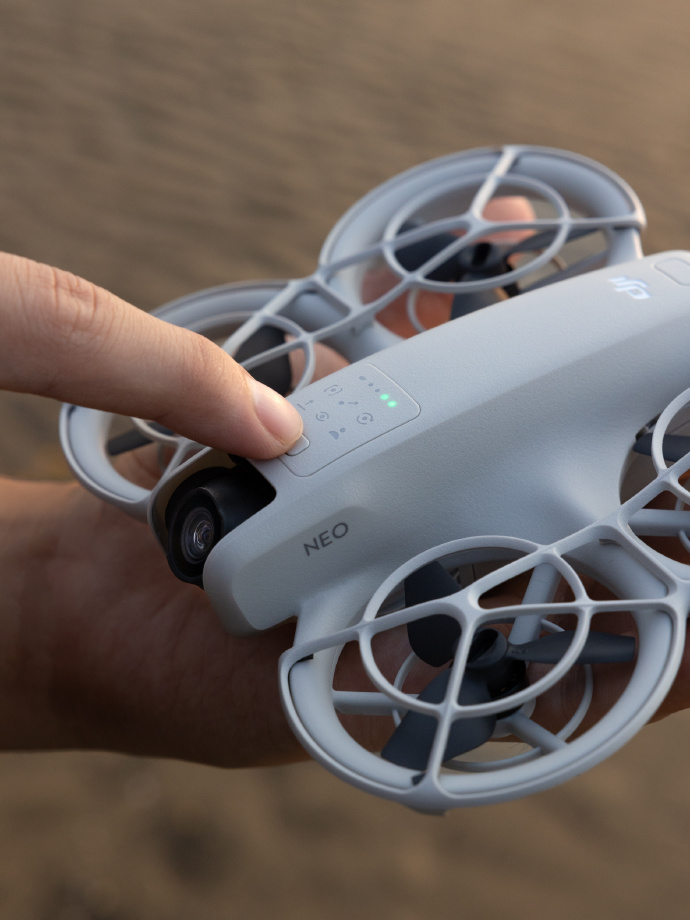
The strategic impact of surveillance drones cannot be ignored. Their ability to operate remotely and autonomously allows security forces to deploy them in potentially hazardous environments without risking human lives. This capability is pivotal in scenarios like search and rescue missions in inaccessible areas or assessing risks without direct human intervention. Furthermore, drones can be integrated with existing security systems, enhancing data analytics and providing deeper insights into security breaches or threats.
Surveillance drones are not just tools; they are strategic assets in modern security infrastructure.
Privacy Concerns and Regulations
Despite the overwhelming benefits, privacy concerns surrounding surveillance drones must be addressed. These UAVs have sparked debates about the balance between security and individual privacy. Parameters like flight paths, data storage, and surveillance limits need clear regulations to ensure that surveillance does not infringe upon personal freedoms. Governments and regulatory bodies are working to establish frameworks that govern the use of drones, ensuring ethical deployment and preventing misuse.
Comparing Surveillance Tools
- Satellites: Limited to high altitude, restricted by weather.
- CCTV Cameras: Stationary, limited coverage.
- Drones: Versatile, mobile, adaptable to various environments.
Key Features of Surveillance Drones
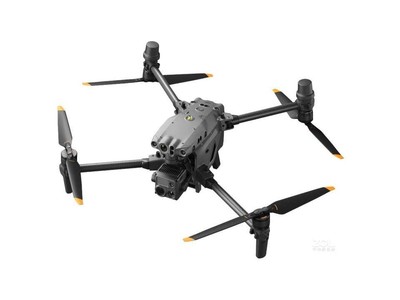
- Real-time data capture
- Remote operation capabilities
- Enhanced image resolution
Economic Implications
The rise of drone technology has significant economic implications. Investment in drone manufacturing is surging, and startups focusing on drone development are attracting substantial funding. This influx of capital is fueling innovation, leading to cheaper and more effective surveillance drone solutions. Additionally, the need for skilled professionals in drone operation and maintenance is creating new employment avenues, contributing to economic growth.
FAQs on Surveillance Drones
Q1: How do surveillance drones affect personal privacy?
A1: Surveillance drones raise privacy concerns due to their capability to capture detailed data. Regulations are being developed to ensure that drone operations comply with privacy laws.
Q2: Can surveillance drones be used for delivery?
A2: Yes, surveillance drones can be adapted for package delivery, but they require specific logistics and permissions to operate commercially.
Q3: Are there limitations to drone surveillance?
A3: While drones offer flexibility and coverage, their operation is limited by battery life, legal restrictions, and weather conditions.