
The question “who invented drone” is one that intertwines technological innovation with complex historical developments. In the ever-evolving realm of unmanned aerial vehicles (UAVs), commonly known as drones, tracing the origins of this technology is both fascinating and informative.
Early Beginnings
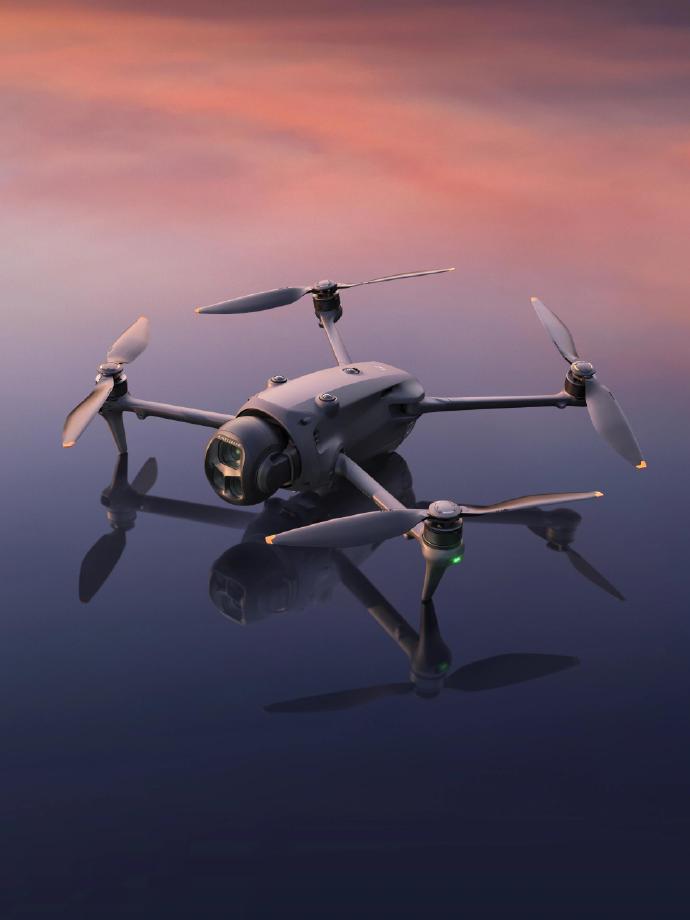
The concept of unmanned flight traces back to the use of balloons during the mid-19th century. However, the modern evolution of drones can more aptly be linked to advancements made in the early 20th century. The first true appearance of the UAV as we know it today emerged during World War I, with the development of the Kettering Bug. This American invention, crafted by Charles Kettering in 1918, was an unmanned flying bomb that highlighted the early interest in pilotless flight.
World War II Innovations
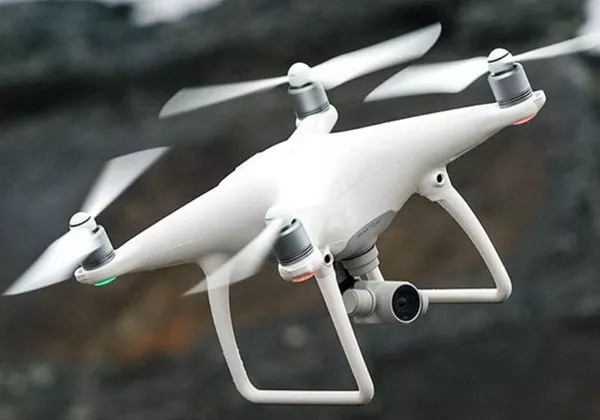
Fast forward to World War II, and we witness a surge in drone technology development. The Radioplane OQ-2, created by actor and inventor Reginald Denny and produced in large numbers, served as a training target for soldiers. This marked a significant moment for the aerial unmanned systems as they began to play an active military role.
The Cold War Era
The Cold War period was pivotal for drones. The era saw a major drive towards sophisticated reconnaissance UAVs. The US military, particularly, invested heavily in developing surveillance drones such as the AQM-34 Firebee, a high-profile drone that conducted intelligence missions during the Vietnam War.
The Technological Surge in the 21st Century
The question of “who invented drone” often overlooks the constant enhancements that have defined UAV technology. The 21st century brought about affordable and more efficient drones, propelling them into civilian use. This era witnessed companies building consumer-friendly drones while military operations saw the introduction of drones like the Predator and Global Hawk, redefining modern warfare and surveillance.
The Role of Drones Today
In contemporary times, drones serve an array of purposes beyond warfare. They are crucial for scientific research, delivery services, disaster management, and even agriculture. The expansion into commercial and recreational spaces has been remarkable, with businesses harnessing drone technology for everything from photography to parcel delivery.
The Future of Drone Technology
Predicting the trajectory of drone advancement is a stimulating area of discourse. As technology evolves, we can expect more integrated systems, enhanced AI, and a broader scope of applications across various industries. Drones may soon include capabilities such as swarming tech, which allows them to operate in coordinated groups.
FAQs
Q: How have drones impacted commercial industries?
A: Drones have revolutionized commercial industries by offering new efficiencies in logistics, aerial photography, agriculture, and even emergency services. They provide cost-effective solutions for surveying, mapping, and monitoring, pushing various sectors towards more innovative practices.
Q: Are drones environmentally friendly?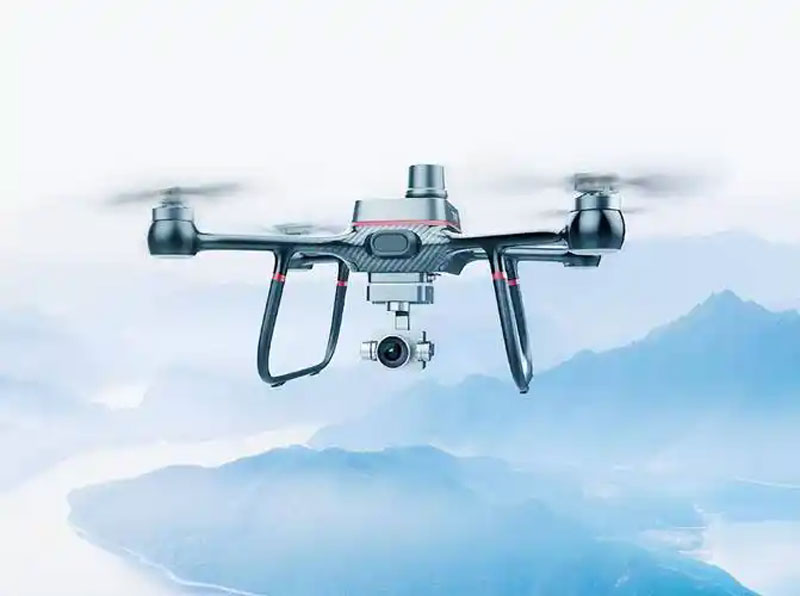
A: While drones can reduce the carbon footprint by replacing fuel-powered vehicles for deliveries and inspections, their environmental impact varies. The production, battery disposal, and potential wildlife disturbances are important factors in assessing their eco-friendliness.
Q: What regulatory challenges do drones face?
A: Regulations vary by country but generally focus on safety, privacy, and airspace management. Ensuring safe integration with manned aviation and developing comprehensive frameworks to govern usage remains a significant challenge for regulating bodies.