
Revolutionizing Aerial Inspections: Thermographic Camera Drone Innovations
In recent years, thermographic camera drone technology has significantly changed the way industries approach aerial inspections. Unlike traditional visual surveys, these advanced drones equipped with high-resolution thermal cameras provide enhanced data accuracy, enabling users to detect unseen issues rapidly and efficiently. In this article, we’ll dive deep into the cutting-edge developments in thermographic camera drones, their advantages, and the possibilities they unlock for infrastructure, industry, and environmental monitoring.
What Are Thermographic Camera Drones?
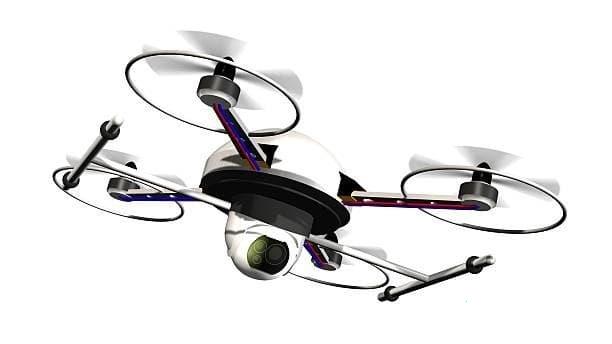
At its core, a thermographic camera drone is an unmanned aerial vehicle (UAV) outfitted with an infrared imaging system. These systems capture temperature variations on the surface of objects from above, translating thermal radiation into clear visual imagery. This technology empowers industries to remotely inspect hard-to-reach areas, optimize asset management, and prioritize preventative maintenance based on actionable heat signatures that a human eye simply cannot see.
The Innovations Fueling Drone-Borne Thermal Imaging
- Integration of state-of-the-art thermal sensors for superior sensitivity and resolution
- AI-powered analytics to process thermal imagery in real time
- Lightweight, energy-efficient battery systems for extended flight times
- Autonomous flight modes for pre-programmed, repeatable inspections
- Advanced image stitching and 3D thermal mapping capabilities
Key Benefits of Using Thermographic Camera Drones
Deploying a thermographic camera drone offers several compelling benefits:
- Non-Destructive, Non-Contact Inspections: Inspections can be performed from the air without physical contact, reducing risk to personnel and infrastructure.
- Rapid Anomaly Detection: Thermal drones quickly pinpoint irregular heat patterns that may indicate equipment malfunctions, water leaks, electrical faults, or energy losses.
- Cost and Time Efficiency: Compared to manual inspections, UAV surveys drastically reduce labor time and operational downtime.
- Access to Inaccessible or Hazardous Sites: Thermographic camera drones can survey high-voltage lines, roofs, tall buildings, and remote pipelines with ease.
- Scalable Data Collection: High-resolution thermal cameras enable precise mapping of vast areas in a single flight, perfect for large facilities or agricultural land.
Applications Transforming Industries
Across numerous sectors, the deployment of thermographic camera drone units is sparking a revolution. Here are some notable applications:
- Energy & Utilities
- Thermal drones detect hotspots in solar panels, malfunctioning wind turbines, and overheating electrical substations, preventing costly downtimes and potential disasters.
- Building & Infrastructure
- Roof inspections now benefit from aerial thermal imaging, identifying insulation defects, water ingress, or structural damage swiftly and safely.
- Industrial Asset Management
- Routine checks of storage tanks, boilers, and pipelines using thermographic drones help spot corrosion, leaks, or failing components before they escalate.
- Search & Rescue
- Emergency teams use thermal drones to locate missing persons at night, in dense forests, or after natural disasters when visibility is limited.
Pushing Innovation: New Features & Future Trends
The relentless pace of innovation keeps thermographic camera drone technology at the industry’s cutting edge. Modern UAVs now host:
- Dual-sensor configurations for simultaneous visible and infrared imaging
- Cloud-based data management for instant access and sharing
- Machine learning algorithms to classify detected anomalies automatically
- Improved weather resistance for reliable operation in tough environments
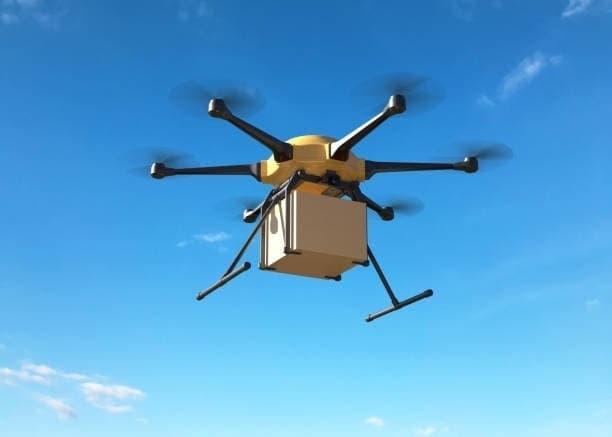
Looking forward, we anticipate drones with autonomous swarm inspection capabilities, ultra-high-definition thermography, and seamless integration with smart city platforms.
Key Considerations When Choosing a Thermographic Camera Drone
To maximize the return on investment, it’s essential to evaluate:
- Sensor Quality: Higher resolution and sensitivity mean clearer, more interpretable thermal data.
- Flight Endurance: Longer flight times allow coverage of larger areas per session.
- Payload and Modularity: Ability to upgrade or swap sensors for specific missions increases flexibility.
- Software Ecosystem: Robust companion apps and data integration capabilities streamline analysis and reporting.
- Regulatory Compliance: Ensure your drone system adheres to local aviation and privacy regulations, especially for commercial use.
Best Practices for Deploying Thermographic Drones in Inspections
To truly unlock the full potential of a thermographic camera drone, follow these best practices:
- Conduct pre-flight planning to set optimal imaging parameters and flight paths
- Calibrate the thermal camera before every mission for accurate readings
- Combine thermal data with visible-light images for comprehensive insights
- Regularly update drone and software firmware to benefit from ongoing enhancements
- Train teams on interpreting thermographic data and integrating findings into operation plans
Challenges & Solutions in Thermographic Drone Inspections
While thermographic camera drone technology is exceptionally promising, challenges remain. Difficult lighting conditions, heat reflection from certain surfaces, and data management complexities can affect output quality. However, ongoing advances in AI-driven image processing and adaptive flight control are steadily resolving these issues, making thermal drones ever more indispensable.
FAQs About Thermographic Camera Drone Inspections
- Q1: What level of temperature accuracy can I expect from a thermographic camera drone?
- A: Most modern thermal drones achieve an accuracy of ±2°C or ±2% of reading, ideal for most industrial inspection tasks.
- Q2: Are thermographic drone inspections suitable for all weather conditions?
- A: It’s best to conduct inspections during stable weather and low-wind conditions, although some advanced drones offer limited water and dust resistance and improved stability in moderate winds.
- Q3: Can thermographic camera drones help reduce maintenance costs?
- A: Absolutely! Early detection of issues through thermal imaging reduces downtime, repair expenses, and can even extend equipment life, leading to substantial long-term savings.