
Revolutionizing Surveillance: The Power of Drones Equipped with Heat Cameras
The technological landscape has witnessed remarkable advancements with the advent of drones, particularly those equipped with heat cameras. These devices, referred to as thermal imaging drones, harness infrared technology to detect heat emitted by objects, offering unparalleled surveillance capabilities. From search and rescue operations to industrial inspections, a drone with heat camera is a game changer in numerous fields.
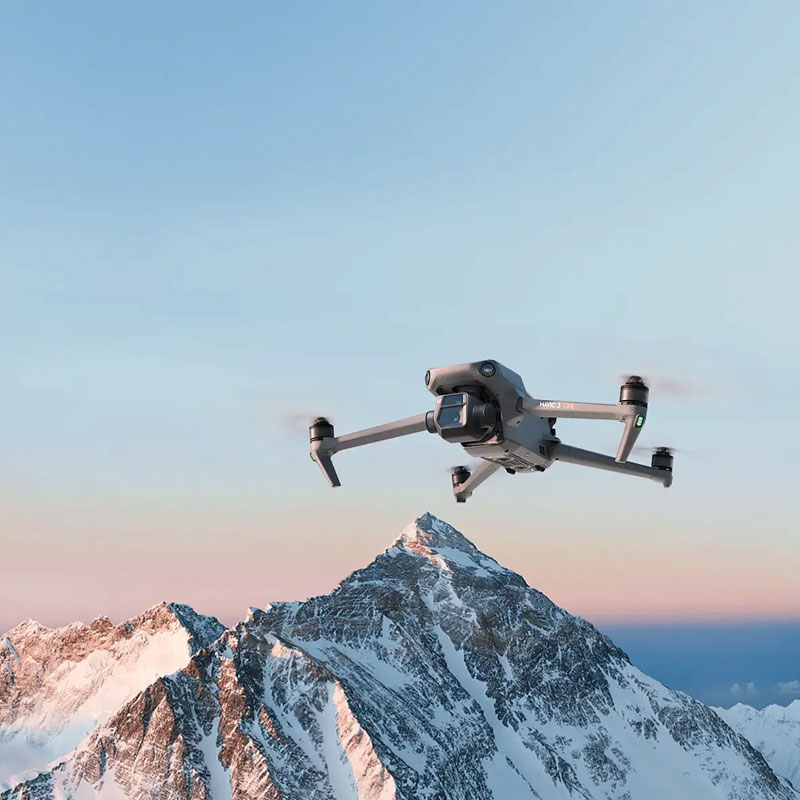
Thermal drones are engineered to convert heat into visible images, thereby providing insights into aspects invisible to the naked eye. This transformative approach has become a critical asset in environmental monitoring, allowing researchers to track wildlife, assess habitat conditions, and even detect forest fires at their inception. The precision of these drones ensures an efficient exploration of vast terrains, significantly enhancing our understanding of ecological dynamics.
In addition to environmental applications, drones equipped with heat cameras serve an essential role in the realm of security and defense. By identifying heat signatures, security personnel can conduct surveillance even in complete darkness, providing a substantial strategic advantage in various operations. This capability is further leveraged in disaster management where locating survivors in obscured areas becomes significantly efficient, saving lives in critical situations.
- Energy Sector Optimization: In the energy sector, the utility of drones with heat cameras extends to inspection of solar panels, pipelines, and power lines. They identify faulty equipment and detect areas of inefficiency, thereby ensuring optimal maintenance and operation.
- Infrastructure Inspection: Structural integrity assessments of bridges and buildings are enhanced through thermal imaging drones. They reveal heat anomalies indicative of weaknesses that aren’t visible during standard checks, ensuring timely interventions.
- Wildlife Conservation: Monitoring endangered species and preventing illegal poaching activities are streamlined with the ability to detect hidden heat signatures, thus offering a proactive approach to conservation efforts.
Progress in artificial intelligence has synergized with thermal imaging to yield smart drones capable of analyzing heat data autonomously. These drones can differentiate between typical and anomalous heat patterns, providing immediate alerts that are indispensable for rapid response scenarios.
Factors to consider when deploying drones with heat cameras include the desired resolution, battery life, and environmental conditions. The efficiency of the thermal sensors can vary, thus necessitating an understanding of the drone’s specifications relative to its intended purpose.
FAQs About Drone Technology with Heat Cameras
- How do heat cameras on drones work?
Heat cameras detect infrared radiation, converting it into images that visualize heat differences, making unseen elements observable even in low visibility conditions. - What industries benefit from drones equipped with heat cameras?
These drones are beneficial in construction, environmental monitoring, security, agriculture, and energy sectors, among others. - Can drones with heat cameras be used at night?
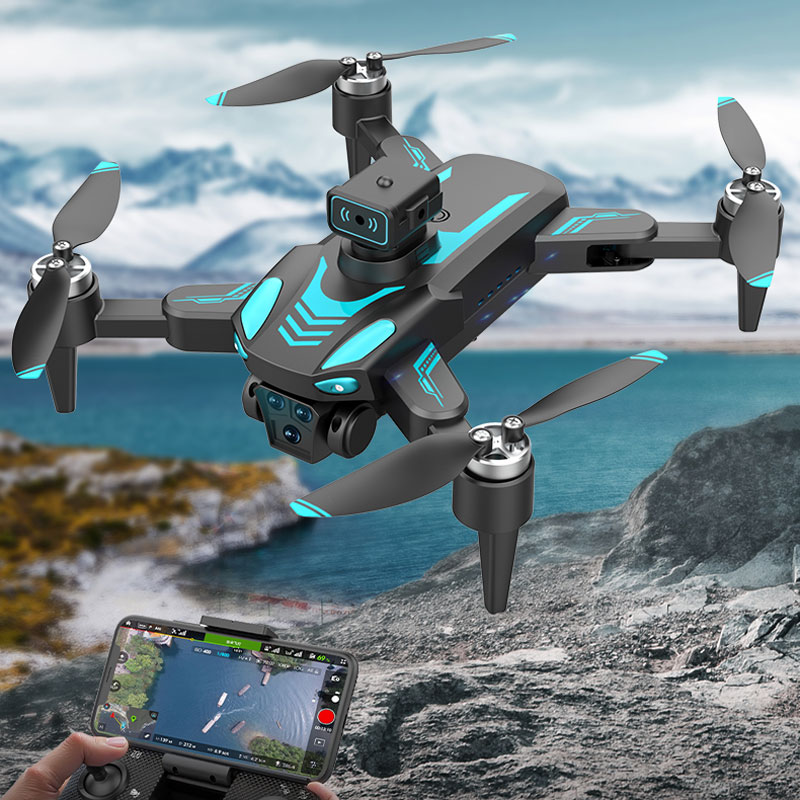
Absolutely, they function optimally in darkness by capturing thermal discrepancies, thus ensuring continuous operational capability.
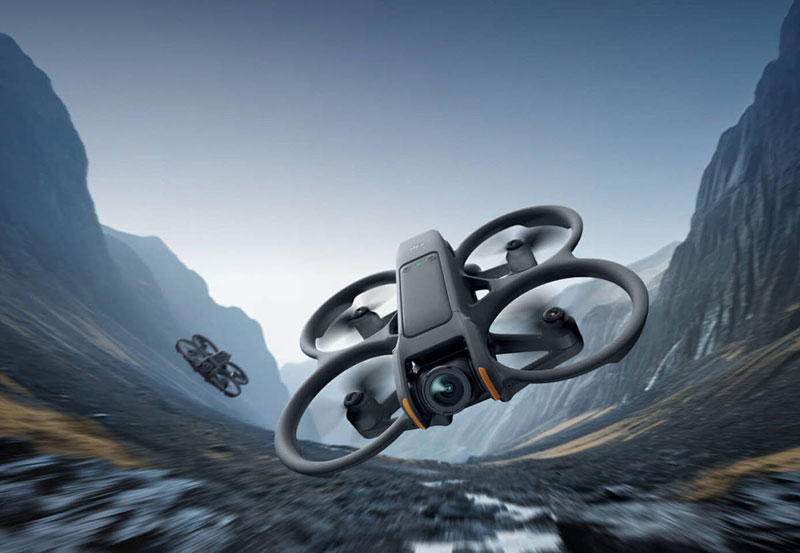
Overall, integrating drones with heat cameras into operations is not merely an upgrade but a revolution in enhancing visibility and making informed decisions. As technology continues to evolve, we can expect even more innovative uses, penetrating new dimensions of exploration and surveillance.