
In the dynamic world of modern technology, thermal drone cameras have emerged as pivotal tools across various industries. From enhancing security measures to elevating environmental conservation, these advanced gadgets offer unparalleled perspectives that were unachievable just a decade ago. The fusion of drone versatility with thermal imaging opens doors to innovative applications, leading not only to improved safety standards but also to significant advancements in efficiency and cost-effectiveness.
Understanding Thermal Imaging
Thermal imaging, at its core, allows for the detection of heat signatures from objects, people, or animals. Unlike standard cameras, thermal drone cameras capture what’s invisible to the naked eye, pinpointing heat variations rather than relying on light. This characteristic makes them invaluable for night-time operations and scenarios with poor visibility.
The Rise of Thermal Drone Technology
The past few years have witnessed a rise in the integration of thermal cameras in drones, driven by advancements in technology and decreasing production costs. With the ability to cover large areas quickly and effectively, drones equipped with thermal imaging capabilities have become indispensable for professionals across multiple sectors. Let’s explore some of the key areas where thermal drone cameras are making a significant impact.
Applications in Agriculture
For farmers, maximizing crop yield while minimizing resource expenditure is crucial. Thermal drone cameras offer precise insights into field conditions, revealing water distribution discrepancies, pest infestations, and plant health issues that might not be visible through normal means. By analyzing thermal data, agricultural professionals can make informed decisions, ensuring better yield outcomes and sustainability.
Enhancing Security and Surveillance
In the realm of security, thermal drone cameras have revolutionized surveillance practices. They provide superior monitoring capabilities in complete darkness, fog, or smoke, conditions that would typically undermine traditional cameras. Security personnel can deploy drones to scan large perimeters, identify intruders, and assess potentially dangerous situations without placing themselves at risk.
Disaster Management and Search Operations
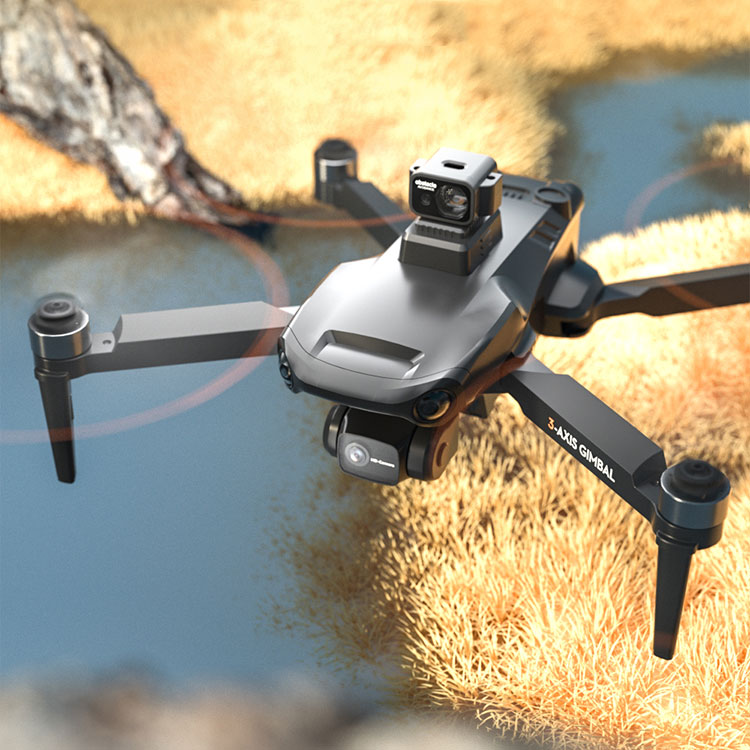
During emergencies, time is critical. Thermal imaging drones are being increasingly used in search and rescue missions to locate individuals or animals in distress. Their ability to detect body heat, even in dense foliage or debris, significantly boosts search efficiency and effectiveness, turning impossible missions into successful rescues.
The Environmental Impact of Thermal Drone Cameras
Besides their commercial and safety applications, thermal drone cameras are also making strides in environmental conservation. Conservationists utilize these drones to monitor wildlife movements without disturbing their natural habitat. Furthermore, they assist in tracking illegal activities like poaching or forest fires, offering data that can lead to preventative measures and protective regulations.
Industrial Inspections
In industries such as oil, gas, and electricity, regular inspections are necessary to maintain safety and functionality. Thermal drone cameras detect anomalies such as leaks, hotspots, or maintenance needs that could indicate potential failures. By identifying these issues early, companies can prevent costly downtime and improve operational efficiency.
The Cost-Effectiveness of Adopting Thermal Drone Technology
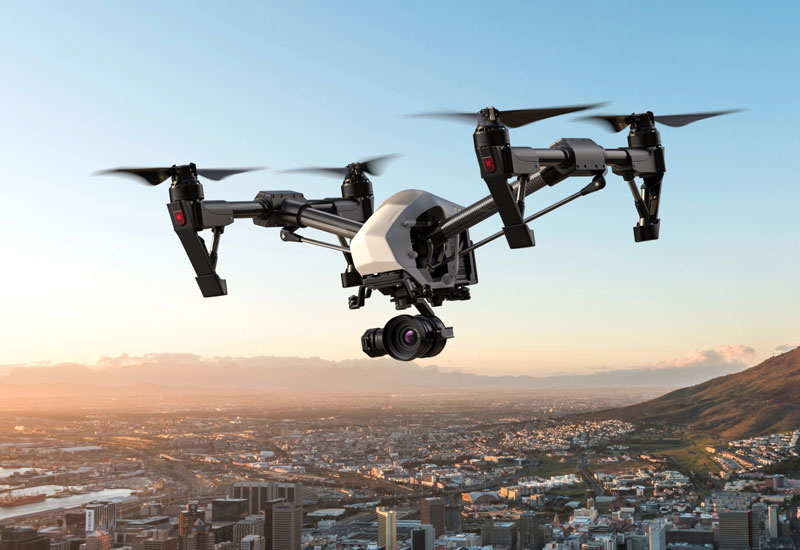
While the initial investment in thermal drone cameras might be considerable, the cost-effectiveness over time is evident. Companies and organizations benefit from reduced labor hours, increased inspection frequency, and minimized risk of human error. The enhanced data accuracy and coverage enable proactive management and strategic planning, resulting in long-term savings and efficiency.
FAQs
Q1: How does a thermal drone camera differ from a standard camera on a drone?
A standard camera captures images based on light, whereas a thermal camera detects heat variations, allowing it to function in low-visibility conditions and providing detailed thermal data of objects and surroundings.
Q2: Are thermal drone cameras difficult to operate?
While they require some training to interpret thermal data effectively, modern systems are increasingly user-friendly, often integrated with intuitive software solutions that aid in data analysis and decision-making.
Q3: What should I consider when choosing a thermal drone camera?
Consider the resolution quality, range, and compatibility with your drone system. Also, evaluate the available software options for data interpretation and the camera’s ability to meet your specific application needs.