
In recent years, commercial drones have emerged as a transformative technology, unlocking new heights in various industries. The term “commercial drones” refers to unmanned aerial vehicles (UAVs) used predominantly for business purposes. These devices offer unparalleled advantages, including increased efficiency, cost-effectiveness, and enhanced data collection capabilities. As businesses strive to adopt innovative solutions, drones stand out as a pivotal tool in reshaping traditional paradigms.
Applications of Commercial Drones in Different Industries
Drones have found applications in industries ranging from agriculture to construction, logistics, and even the entertainment sector. In agriculture, drones are used for precision farming, allowing farmers to monitor crops with aerial imagery, assess field conditions, and optimize resource usage. With commercial drones, agricultural productivity has seen significant improvement through timely interventions and precise nutrient management.
In the construction industry, drones are utilized for site surveying and monitoring. They provide real-time data, enabling project managers to make informed decisions quickly. The ability to access hard-to-reach areas safely reduces risks and costs, making drone technology a game-changer in construction management.
Moreover, the logistics sector benefits immensely from commercial drones by enhancing delivery systems. Companies are experimenting with drone deliveries to speed up distribution processes, minimize human errors, and reduce operational costs. While widespread implementation might still be a few years away, the potential for quicker and more efficient deliveries is undeniable.
Technological Advancements in Commercial Drones
Recent advances in drone technology have expanded their capabilities even further. Drones are now equipped with advanced LiDAR sensors, high-resolution cameras, and robust obstacle avoidance systems, making them even more versatile. These improvements boost data accuracy, allowing industries to utilize drones for mapping and analysis with heightened precision.
A key factor driving the adoption of commercial drones is the development of sophisticated software that automates flight planning and data processing. Automation is crucial as it reduces pilot error, ensures consistency, and makes drone operations more user-friendly. It opens up opportunities for businesses to embrace drone technology, regardless of their technical expertise.
Challenges in the Commercial Drone Landscape
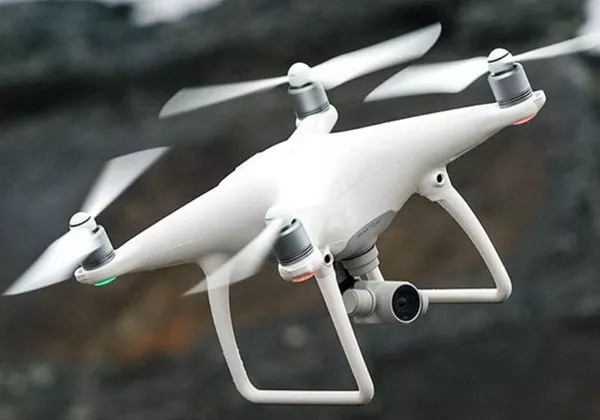
Despite their potential, commercial drones face several challenges that hinder widespread adoption. Regulatory concerns are at the forefront, as governments worldwide grapple with setting guidelines that ensure safety without stifling innovation. Privacy issues arise as drones have the capability to capture vast amounts of data. Ensuring responsible usage and establishing transparent policies is crucial to building public trust.
Additionally, technological limitations such as battery life and payload capacity are significant hurdles. Drones require frequent charging, which can be a logistical challenge in large-scale operations. Innovations in battery technology and energy management are pivotal to overcoming these barriers and fully unlocking the potential of commercial drones.
A Look into the Future
The future of commercial drones is promising, with possibilities of integrating them with other emerging technologies like the Internet of Things (IoT) and artificial intelligence (AI). Such integration can enhance capabilities and create new business opportunities. As industries adapt and regulatory landscapes evolve, the transformative impact of commercial drones is set to increase, paving the way for more advanced applications.
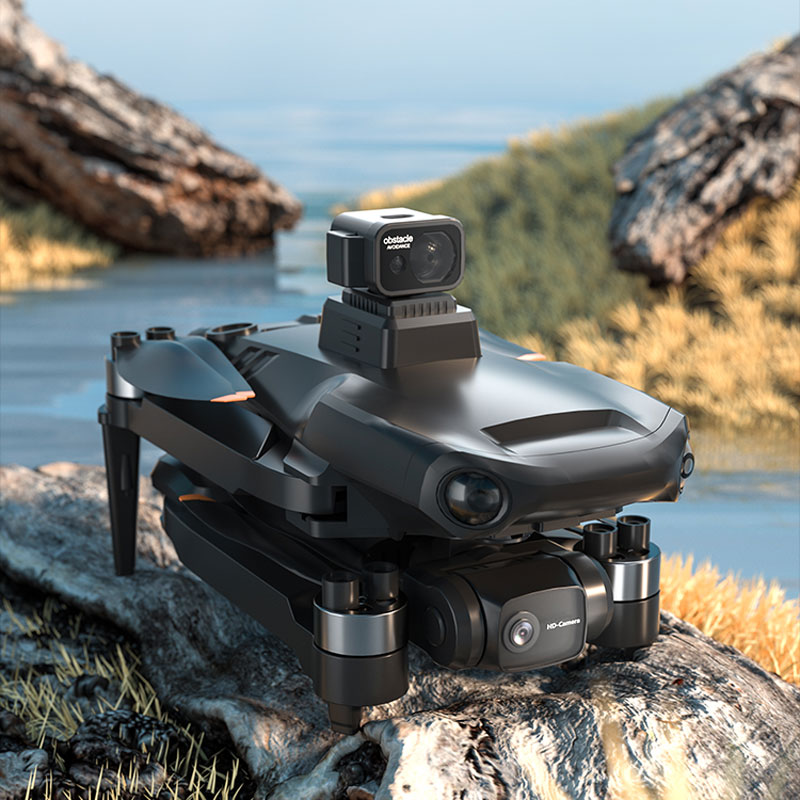
With companies continuously exploring new uses for drones, the path forward is exciting. As the technology advances, we can anticipate drones playing a larger role in sectors not traditionally associated with aerial technologies.
FAQs About Commercial Drones
Q1: What are some regulatory challenges facing commercial drones?
Regulatory challenges include navigating complex airspace permissions and ensuring compliance with local laws regarding drone usage and data privacy.
Q2: How do drones improve agricultural productivity?
By providing farmers with precise mapping and analysis, drones allow for targeted interventions, optimizing crop management strategies and improving yields.
Q3: Are drones environmentally friendly?
While drones reduce carbon footprints by minimizing the need for large vehicles, challenges around battery waste management remain, demanding future eco-friendly solutions.