
Exploring the Capabilities of Commercial Drone Technology
In recent years, commercial drone technology has surged in popularity among various industries, offering unprecedented capabilities and potential to transform business operations. From enhancing logistics to revolutionizing aerial surveillance, drones are becoming indispensable tools for companies worldwide. Here we delve into the diverse applications of commercial drones and how they contribute to operational efficiency, cost savings, and innovation.
Aerial Data Collection and Analysis
One of the most significant advantages of using commercial drones is their ability to capture and analyze aerial data with exceptional precision. Equipped with high-resolution cameras and sensors, drones can survey large areas quickly and produce detailed insights for industries such as agriculture, construction, and mining. Farmers can monitor crop health, construction managers can oversee project progress, and miners can map out topography, all with just a few clicks.
Speed and Efficiency in Logistics
Commercial drones are revolutionizing logistics by offering fast and efficient delivery solutions. Companies like Amazon are exploring drone delivery services to expedite shipping times and enhance customer satisfaction. Drones can bypass traditional limitations of ground transport, providing seamless delivery to remote or congested areas. As drone technology advances, it promises to redefine the logistics industry.
A Future of Automated Solutions
Drones play a pivotal role in developing automated solutions across various sectors. From inventory management to strategic planning, commercial drones integrate seamlessly with AI, facilitating smarter business operations. For instance, drones equipped with AI can autonomously conduct inventory checks or survey infrastructure for maintenance needs, drastically improving efficiency and accuracy.
Enhanced Safety and Security Measures
Integrating commercial drones into security protocols offers businesses a significant upgrade to safety measures. Drones can monitor premises 24/7, providing real-time footage and rapid response capabilities. This makes them ideal for securing expansive areas, industrial sites, or events. Coupled with facial recognition and thermal imaging, drones ensure comprehensive surveillance, safeguarding valuable assets.
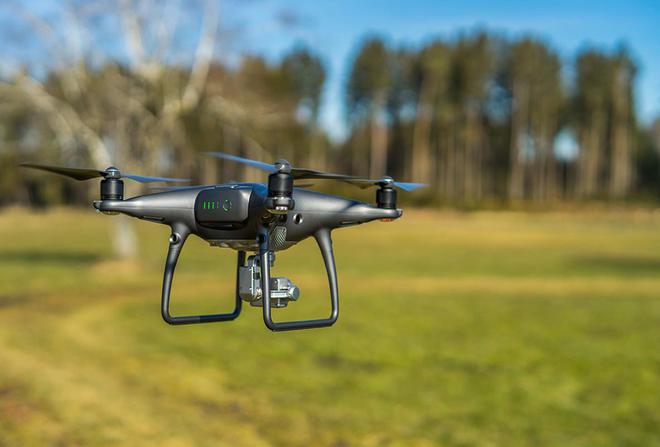
Drones have also proven valuable in disaster response, aiding emergency services with life-saving aerial perspectives. They can quickly assess hazardous situations and provide crucial information, improving response time and effectiveness.
Challenges and Regulatory Considerations
Despite the promising features of commercial drones, certain challenges and regulatory barriers persist. Navigating airspace regulations, addressing privacy concerns, and ensuring drone pilot certification are critical aspects businesses must consider when deploying drones. Continuous advancements in legislation seek to accommodate growing needs while safeguarding the public.
FAQs on Commercial Drone Integration
What are the key benefits of using drones for business?
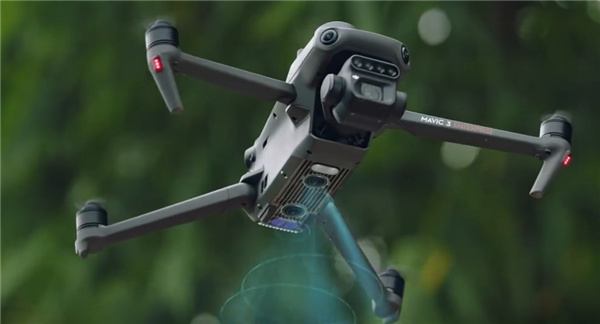
Drones offer enhanced data accuracy, efficient logistics solutions, improved safety measures, and are cost-effective, all contributing to overall operational enhancement.
Are there any limitations to commercial drone usage?
Yes, limitations include stringent regulatory requirements, potential privacy issues, and technological challenges related to battery life and payload capacity.
How can businesses accelerate drone adoption?
Businesses can work closely with regulatory bodies to ensure compliance, invest in cutting-edge drone technology, and offer training programs to equip staff with essential drone operation skills.
In conclusion, commercial drone technology presents vast opportunities for businesses to innovate and optimize. As drone capabilities expand, they hold the promise of reshaping industries and driving sustainable growth. Embracing this technology today positions companies on the frontier of progress.