
The world of technology is often shaped by curiosity, innovation, and a quest for advancement. One of the most captivating developments in the 21st century has been the drone. But the question often asked remains: who truly invented the drone? Understanding the origin of drones requires us to delve into the layers of history and explore the minds behind these flying machines.
Early Beginnings: From Concept to Reality
The concept of unmanned aerial vehicles (UAVs) wasn’t born overnight. In fact, the origins of drones can be traced back centuries. Early ideas of pilotless vehicles appear in history, but it wasn’t until the modern age that such concepts found viable expression. Nikola Tesla, the prodigious inventor, presented a radio-controlled boat in 1898, laying foundational work for future UAVs. Although not a “drone” as we know it, his vision was undeniably a precursor.
The Military’s Role in Drone Development
During the 20th century, the military saw the potential for drones in warfare. It was during World War I that the concept of a pilotless aircraft was first formalized. The Kettering Bug, developed in 1918 by Charles Kettering, was an early attempt, though it was essentially a flying bomb. The true innovators, however, were the teams working during World War II, who developed more sophisticated UAVs for surveillance and reconnaissance.
The Cold War era saw significant advancements in drone technology, fueled by the need for intelligence without risking pilots. It was in this period that Abraham Karem, often dubbed the “father of drones,” began his groundbreaking work.
Abraham Karem: Pioneering the Modern Drone
Abraham Karem, an aerospace engineer born in Iraq and raised in Israel, made monumental strides in drone technology. His innovations in the 1980s were pivotal in transforming UAVs into the reliable systems they are today. Karem built a UAV known as the “Albatross” in his garage, marking the start of modern drone innovation. His work laid the groundwork for what would eventually become the Predator drone, widely used by the U.S. military.
Karem’s dedication was driven by the vision of creating efficient, cost-effective, and reliable drones. His contributions significantly shaped the future of UAVs, ensuring his place as a major force behind modern drone technology.
Commercial and Consumer Drones: A Technological Revolution
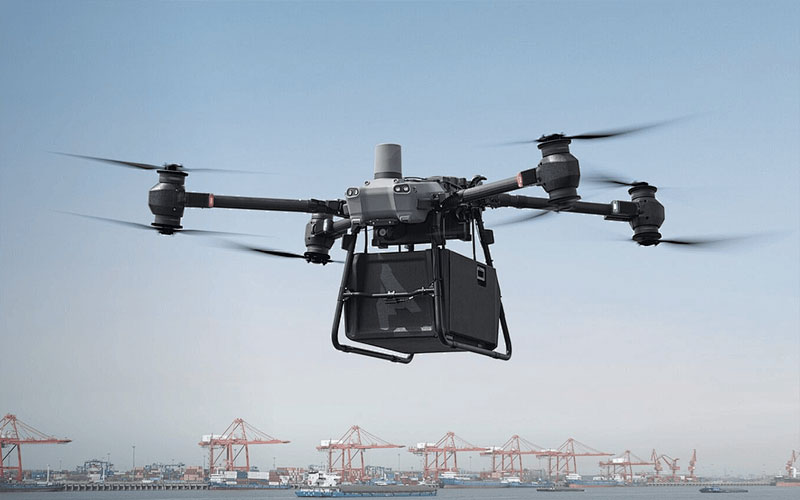
The dawn of the 21st century brought about a new era for drones, one that extended beyond military applications. Innovators began exploring the use of drones for commercial and personal use, changing how industries operate and how people engage with technology. Companies like DJI and Parrot have revolutionized the consumer drone market, making drones accessible to hobbyists, photographers, and tech enthusiasts around the world.
The innovation doesn’t stop here. Today, drones are integral in fields such as agriculture, environmental monitoring, and logistics, with Amazon exploring UAVs for delivery services. Thus, the invention of drones has sparked a broader trend that continues to impact different facets of society.