
In the ever-evolving world of technology, bee drones are emerging as a fascinating innovation, intertwining the realms of nature and robotics. These mechanical devices, inspired by the workings of actual bees, hold promise across various industries such as agriculture, surveillance, and environmental conservation.
The Concept of Bee Drones
Bee drones, also known as robotic bees, are engineered to replicate the behavior of real bees. Primarily used in pollination, these drones have the potential to mimic the natural processes critical for the environment. With the decline in bee populations, scientists are turning to these mechanical counterparts to aid in maintaining the delicate balance of ecosystems.
Technological Foundations
These drones are equipped with sensors and cameras to navigate and identify flowers for effective pollination. GPS technology plays a crucial role in ensuring these drones can maneuver with precision in complex environments. Furthermore, the integration of AI allows them to make decisions mimicking the foraging behavior of bees, enhancing their efficiency and effectiveness.
The Impact on Agriculture
Agriculture stands to benefit significantly from the advancements in bee drones technology. Farmers can deploy these drones to assist with pollination, ensuring that plants are fertilized even in the absence of natural bees. This is particularly vital for crops like almonds and apples, where pollination is key to successful harvests. By relying on bee drones, farmers can reduce their dependency on traditional bee colonies, which are increasingly threatened by environmental factors.
Environmental Considerations
While the technological advancements are impressive, the environmental impact of bee drones cannot be ignored. It is essential to ensure that their deployment does not disturb existing wildlife or natural pollination processes. Sustainable practices must be prioritized to prevent potential ecosystem imbalances. Researchers are actively seeking solutions to blend these technologies harmoniously with nature.
Surveillance and Security
Beyond agriculture, bee drones are finding applications in surveillance and security. Equipped with advanced cameras and networks, these drones can assist in monitoring large areas, providing valuable data for security agencies. Their small size and nimble flight capabilities make them ideal for discreet observation, a crucial requirement in sensitive operations.
The Future of Bee Drones
The future of bee drones promises exciting possibilities. As research progresses, we might witness more compact, efficient, and smarter iterations capable of handling complex tasks beyond current expectations. Areas like weather forecasting and disaster management could benefit from the data these drones provide.
Frequently Asked Questions
What are the primary functions of bee drones?
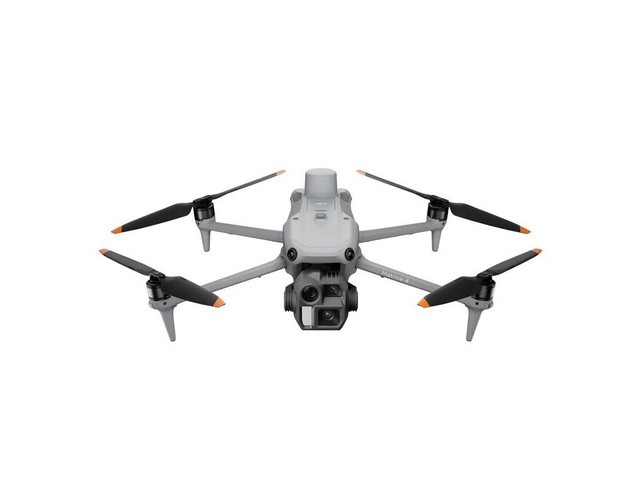
Bee drones are primarily used for pollination, surveillance, and monitoring tasks. They are designed to mimic the behavior of bees, contributing significantly to agriculture and security sectors.
How do bee drones mimic real bees?
Through advanced sensors, AI, and navigation systems, bee drones can identify and pollinate flowers, replicate bee-like movements, and adapt to their environment, maintaining the ecological balance when natural bees are scarce.
Are there environmental concerns with deploying bee drones?
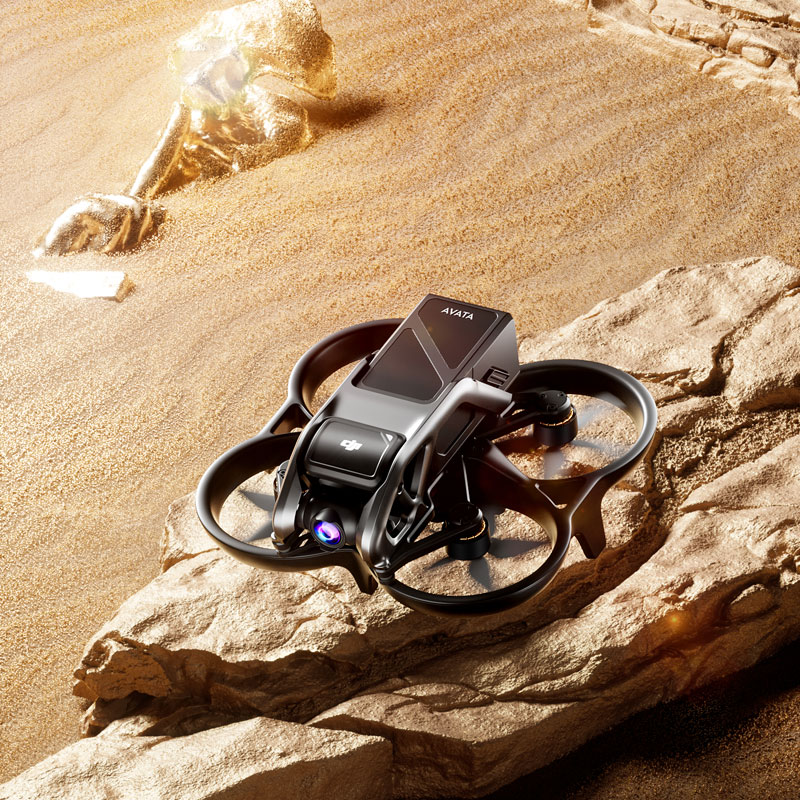
Yes, there are some environmental concerns. It is imperative that bee drones are used sustainably to ensure they do not disrupt natural fauna and flora. Ongoing research aims to develop eco-friendly methods to integrate these drones into natural settings.