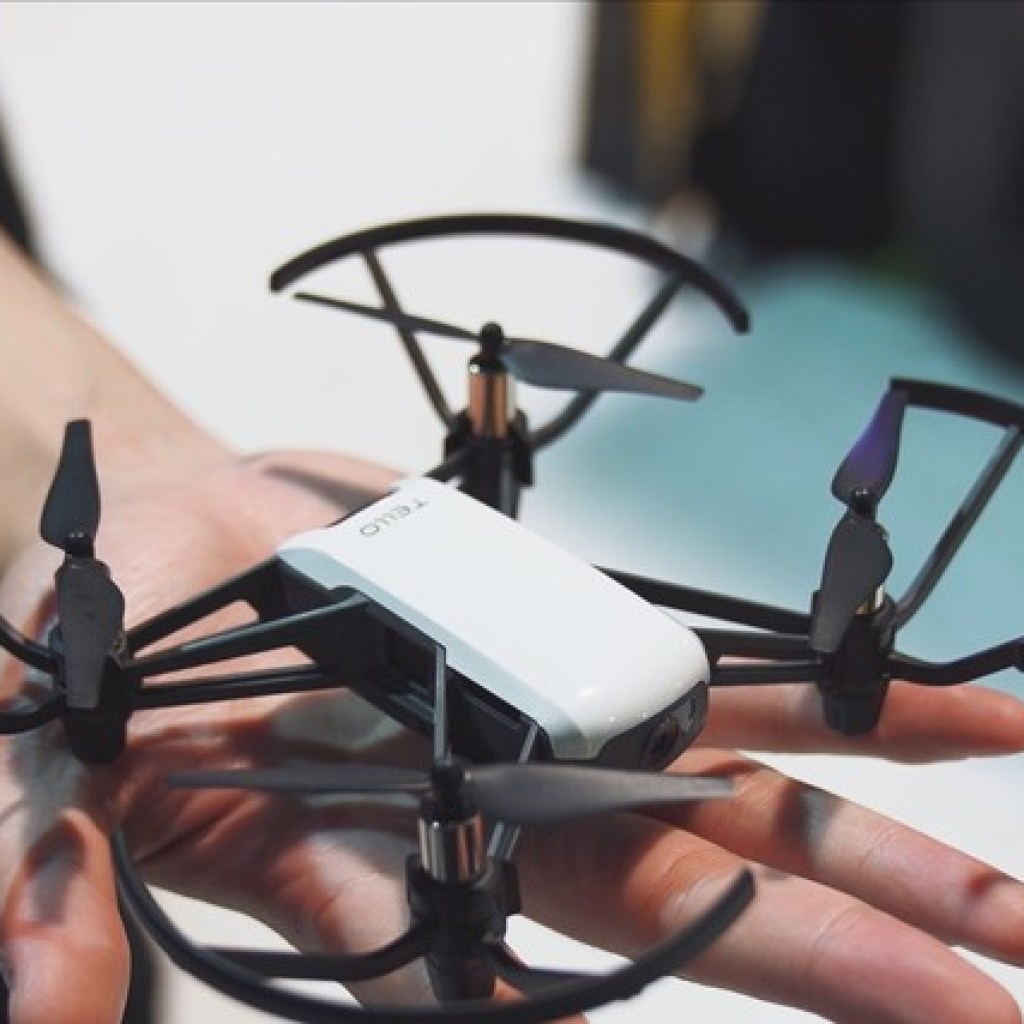
In recent years, fixed wing drones have revolutionized various industries by providing a unique combination of speed, efficiency, and versatility. Unlike quadcopters or multi-rotor drones, fixed wing drones are designed to resemble traditional airplanes with wings that provide lift.
Design and Functionality
The fundamental design of fixed wing drones allows them to glide through the air with minimal power usage, enabling longer flight durations and substantial coverage distances than their rotary counterparts. This makes them ideal for tasks that require extensive aerial surveying, mapping, or monitoring.
Applications in Different Sectors
Agriculture, disaster relief, and infrastructure inspection are just a few domains where these drones excel. In agriculture, fixed wing drones help farmers conduct efficient crop monitoring, assess field health, and maximize yield prediction. By capturing high-resolution images, these drones generate valuable data, aiding farmers in making informed decisions. On the frontlines of disaster response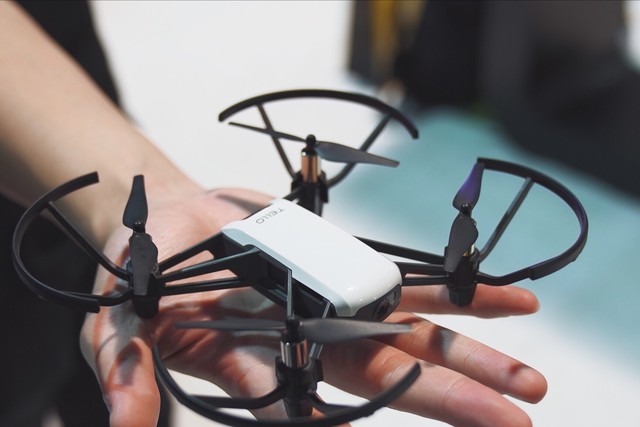 , fixed wing drones are deployed to swiftly gather crucial data about affected areas, evaluating damage extent and providing real-time feedback to aid decision-making. Similarly, in infrastructure-related assessments, fixed wing drones offer a safe and comprehensive means of inspecting bridges and power lines from above.
Benefits of Fixed Wing Models
Besides their capability to cover vast areas and provide extensive flight time, fixed wing drones are notably stable and capable in adverse weather conditions due to their aerodynamic prowess. Their ability to soar at higher altitudes enhances their utility in surveillance and reconnaissance operations, allowing them to capture data that other drone types may not reach.
Technological Advancements
As technological developments continue to unfold, fixed wing drones are benefiting from advanced sensors, AI integration, and cutting-edge camera technology. With these advancements, they can deliver sharper and more accurate data analysis, further extending their use cases across various industries. Furthermore, improvements in battery technology are enabling even longer operational ranges, thus enhancing their utilitarian value significantly.
Considerations for Use
While fixed wing drones offer numerous advantages, operators must consider factors such as launching and landing requirements, which differ from vertical take-off drones. Adequate space and specific methods, like catapult launches or runways, may be necessary, which can pose logistical challenges depending on the operational environment.
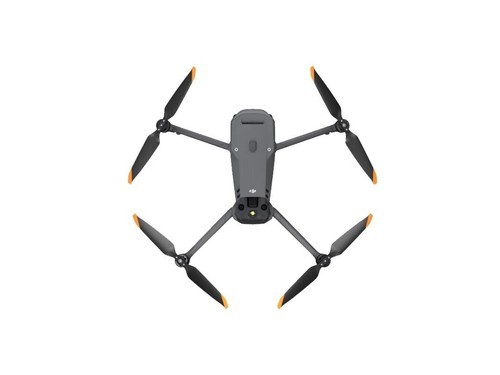
FAQs
- How do fixed wing drones differ from rotary drones?
- Fixed wing drones rely on wings for lift and do not hover, offering longer flight times and greater distance coverage compared to rotary drones that use rotors for lift and stability.
- Can fixed wing drones be used for aerial photography?
- Yes, they are equipped with advanced camera systems capable of capturing high-quality images and extensive footage over large areas, making them suitable for professional aerial photography and surveillance.
- What are the maintenance requirements?
- Given their design, fixed wing drones generally require maintenance of their wing structures, sensors, and propulsion systems to ensure consistent performance and safety.
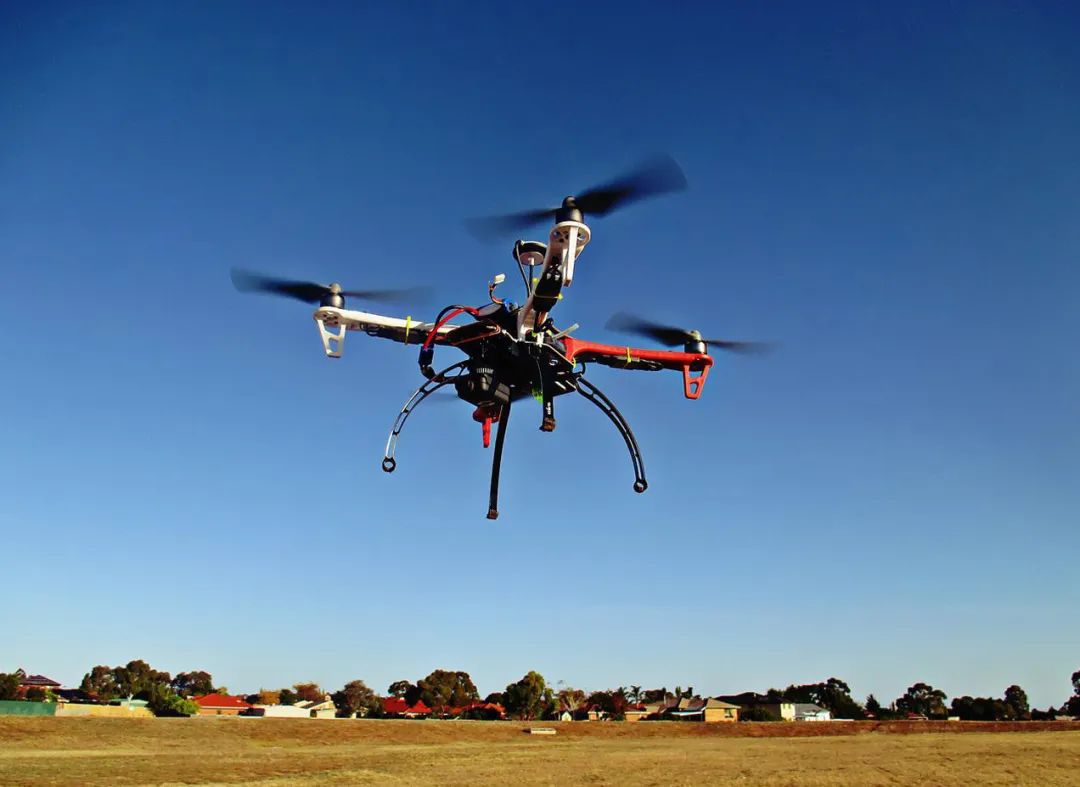
As we continue to explore the vast potential and applications of fixed wing drones, they remain at the forefront of aerial innovation, promising to reshape how industries perceive remote monitoring and data collection.