
In recent years, the advancement and widespread adoption of US made drones have revolutionized multiple industries. These unmanned aerial vehicles (UAVs) have played significant roles ranging from military applications to commercial uses and even personal hobbies. The technological innovations embedded in these drones set a high standard globally, making the US a leader in drone technology.
Military Applications
The military has long been at the forefront of integrating drones into their operations. US made drones are developed to execute missions that might be too risky for manned aircraft. These drones have been instrumental in surveillance, target acquisition, and even combat operations. With features such as long-endurance, precision striking capabilities, and advanced stealth technologies, they provide the military with vital strategic advantages.
Commercial Utilization
Drones are increasingly significant in commercial sectors such as agriculture, real estate, and logistics. In agriculture, for instance, drones conduct aerial surveys providing farmers with detailed data on crop health, moisture levels, and more, facilitating precision farming techniques. Companies like Amazon and UPS are experimenting with drone delivery services, aiming to make last-mile delivery quicker and more efficient.
Recreational Use
Apart from their professional applications, drones have become popular among hobbyists. Many enthusiasts are embracing US made drones for photography, racing, and exploration. The accessibility of drones equipped with high-resolution cameras and user-friendly interfaces has sparked a new wave of creativity among users worldwide.
Technological Innovations
US made drones are at the cutting edge of technology. Advanced GPS systems, improved battery life, collision avoidance systems, and AI integration are just a few of the features that make these drones stand out. These capabilities allow for greater autonomy and functionality, which are crucial for expanding capabilities and ensuring safety.
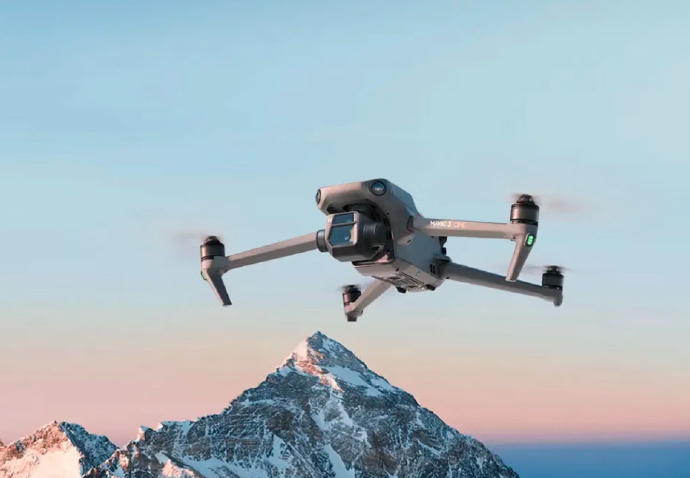
The implementation of AI in drone technology has opened up new possibilities. AI-driven drones can perform complex tasks such as pattern recognition, object detection, and data analysis autonomously, making them invaluable in situations requiring speedy decision-making without human intervention.
The Regulatory Landscape
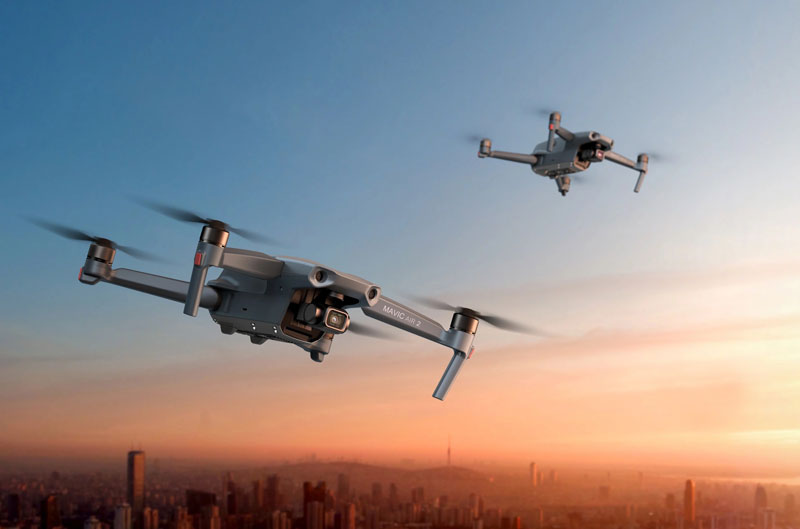
As drones become more integrated into daily life, regulatory frameworks are evolving. The Federal Aviation Administration (FAA) has established guidelines to ensure safe drone operation. This includes licensing requirements, operational limitations, and educational initiatives to promote responsible drone use.
While these regulations are necessary to prevent misuse, they also pose a challenge to the rapid deployment of drone technology. Balancing innovation with safety is a continual process involving collaboration between manufacturers, users, and regulators.
Integration with Other Technologies
The synergy between drones and other technologies such as the Internet of Things (IoT) and 5G connectivity is promising. IoT integration allows drones to communicate with other devices for data exchange in real-time, enhancing their roles in surveillance and data collection. Meanwhile, 5G offers ultra-reliable low-latency communication, critical for real-time applications.
In conclusion, US made drones are at the heart of a technological revolution affecting multiple sectors. Their versatility, powered by cutting-edge technology, enables them to perform tasks once deemed impossible. As regulations adapt and new technologies emerge, the future of US made drones holds great promise.
FAQs
What are the primary industries benefiting from US made drones?
The primary industries include the military, agriculture, logistics, and real estate, where drones offer enhanced efficiency and data-driven insights.
How do US made drones comply with regulations?
Compliance involves following FAA rules, acquiring necessary licenses, and adhering to operational guidelines to ensure the safe and responsible use of drones.
What future advancements can we expect in drone technology?
Future advancements may involve improved AI capabilities, longer flight times, enhanced collaborative functions with IoT devices, and more comprehensive regulatory expectations to match rapid innovation.