
Revolutionizing Agriculture with Drone Spraying
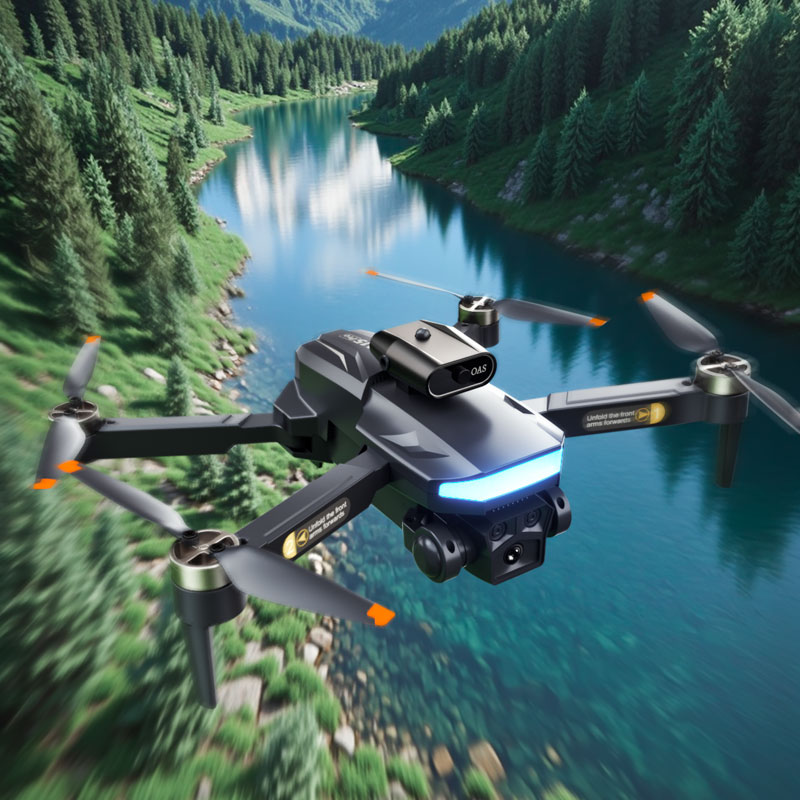
In recent years, drone technology has emerged as a game-changer in the agricultural sector. Among its many applications, drone spraying stands out for its ability to transform traditional farming practices, offering precision, efficiency, and environmental benefits. Drones are equipped with advanced GPS technologies, allowing them to spray crops with unprecedented precision. Farmers can now target specific areas, reducing waste and ensuring that each plant receives the optimal amount of nutrients or pesticides.
Drone spraying helps in reducing the amount of chemicals needed across the field, undoubtedly a boon for environmentally-conscious farmers. By optimizing the quantity applied, drones minimize the negative impact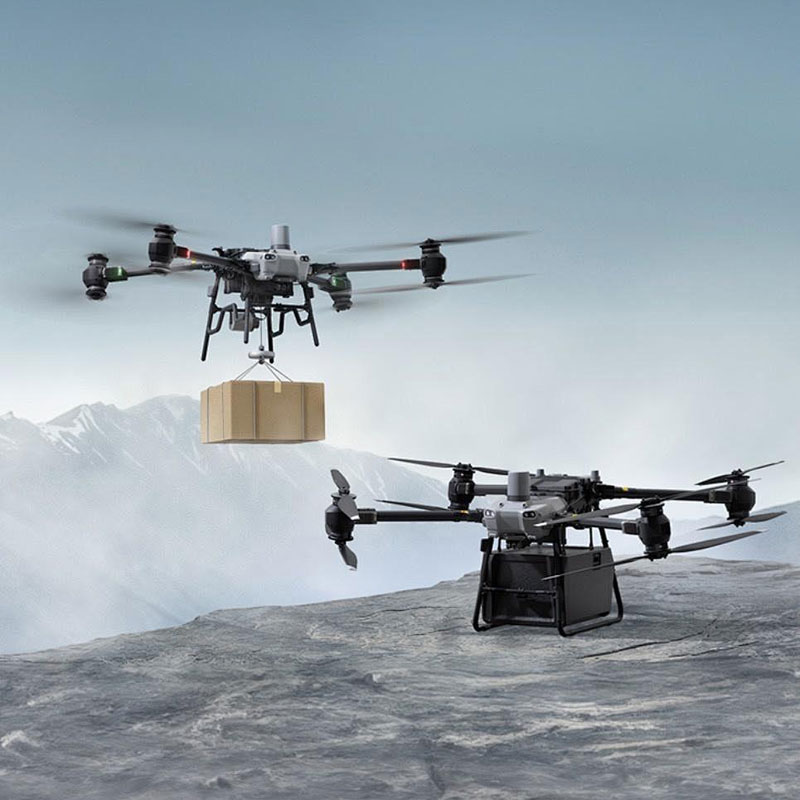 on surrounding ecosystems, safeguarding biodiversity.
The Advantages of Drone Spraying
Drones offer significant advantages over conventional spraying methods. Firstly, they reduce human exposure to potentially harmful chemicals by automating the spraying process. Farmers can operate drones from a safe distance, which is crucial for health safety. Furthermore, drones can access areas which are otherwise difficult to reach, such as hilly terrains or flooded fields, ensuring complete coverage without risking plant health.
Increased Efficiency and Cost-effectiveness
The efficiency of agriculture drone spraying is augmented by their ability to operate autonomously and cover large areas swiftly. Fast execution translates into fewer labor costs, as fewer hours are required for both preparation and application. This automation and efficiency together lead to,long-term cost savings, enabling small-scale farmers to stay competitive with larger agribusinesses.
Environmental Impact and Reduction in Waste
Due to their precision-guiding systems, drones significantly reduce the amount of pesticides that end up in unintended locations such as water supplies or neighboring flora and fauna. This capability reduces runoff, leading to cleaner rivers and lakes and contributing to healthier, more sustainable farming practices.
Latest Developments in Drone Spraying
The technology behind drones continues to evolve, with innovations aiming to enhance their spraying capabilities further. Integration with AI and machine learning can potentially provide real-time insights into crop health, allowing for actionable agronomic decisions and predictions.
Challenges and Future Prospects
Despite their benefits, drone spraying is not without challenges. Regulatory obstacles remain, with many regions having strict controls on drones due to safety concerns. More robust networking and knowledge sharing could help address these issues, paving the way for broader implementation.
The future of drone spraying in agriculture appears promising as technology advances, potentially transforming this sector into a high-tech industry that prioritizes sustainability.
FAQs
Q1: Is drone spraying cost-effective for small farms?
A1: Yes, drones significantly reduce labor costs and can be scaled for small farms, ensuring affordability.
Q2: How accurate is drone spraying compared to traditional methods?
A2: Drone spraying is highly accurate due to GPS technologies, ensuring targeted delivery and reducing waste.