
Revolutionizing Safety with Drones in the Field of Inspection
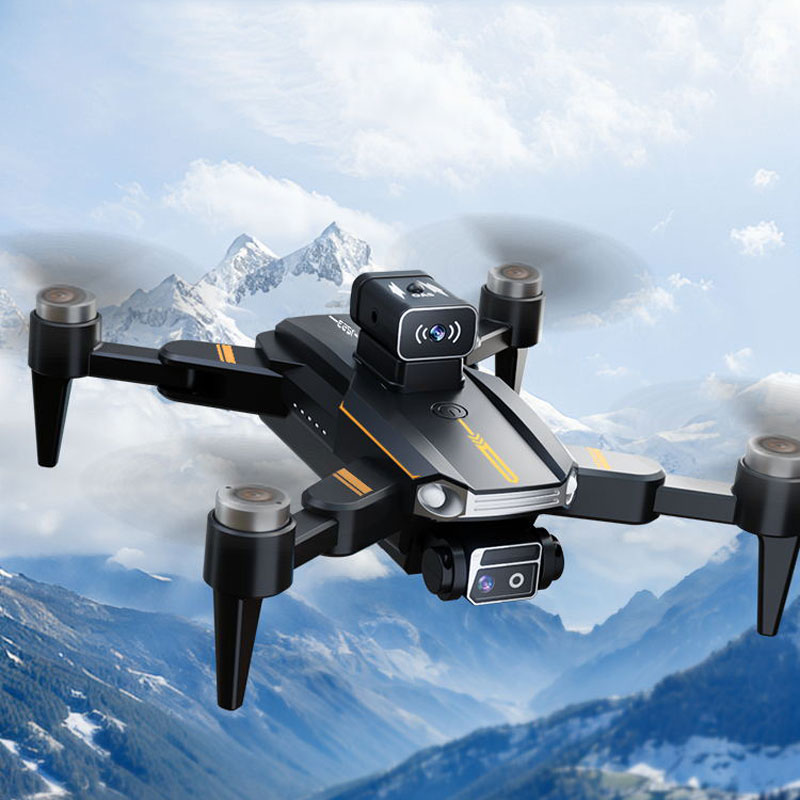
The use of drones in inspection tasks is transforming how industries approach safety and efficiency. These flying devices equipped with advanced technology, such as high-resolution cameras and sensors, have provided a new lens to examine structures that are challenging to access or potentially hazardous.
Drones have become indispensable in sectors including construction, oil and gas, agriculture, and infrastructure management. By deploying drones for inspection, companies can perform thorough checks without risking human life, thus prioritizing safety. The advantage lies not only in minimizing risks but also in optimizing operations by reducing time and costs associated with manual inspections.
The Role of Drones in Enhancing Inspection Quality
Equipped with advanced imaging technology, drones can capture detailed visuals from varied angles and heights, offering insights that traditional methods might miss. The ability to consistently collect data over large areas efficiently means that drones can effectively monitor ongoing projects, like assessing structural integrity or identifying wear and tear that could lead to operational failures.
The reliability of drones in inspection is further strengthened by automation capabilities. As UAVs (Unmanned Aerial Vehicles) can be programmed to follow pre-defined routes, they provide consistent and repeatable data collection. This ensures high-quality inspections that contribute to better decision-making processes.
Applications Across Industries
In construction, drones are used to survey lands, inspect sites, and provide aerial views that inform architectural decisions. For the oil and gas industry, drones help inspect pipelines, rigs, and other critical infrastructures, detecting leaks or damage quickly and allowing for prompt corrective actions. In agriculture, drones monitor crop health, irrigation systems, and can vary treatments deep within fields that are otherwise difficult to access.
Challenges and Considerations
Despite the advantages, deploying drones for inspection also comes with challenges such as regulations, privacy concerns, and weather conditions affecting flight stability. Ensuring compliance with local aviation laws is crucial for safe operation. Moreover, data privacy and securing sensitive information collected during inspections is another aspect that industries must carefully manage.
Future Trends
The future of drones in inspection carries promising trends such as AI integration, improving their autonomous capabilities and analytical performance. As technology evolves, drones are likely to play even more significant roles, potentially integrating virtual reality to deliver immersive inspection experiences.
Frequently Asked Questions (FAQ)
Q1: Are drones better than traditional inspection methods?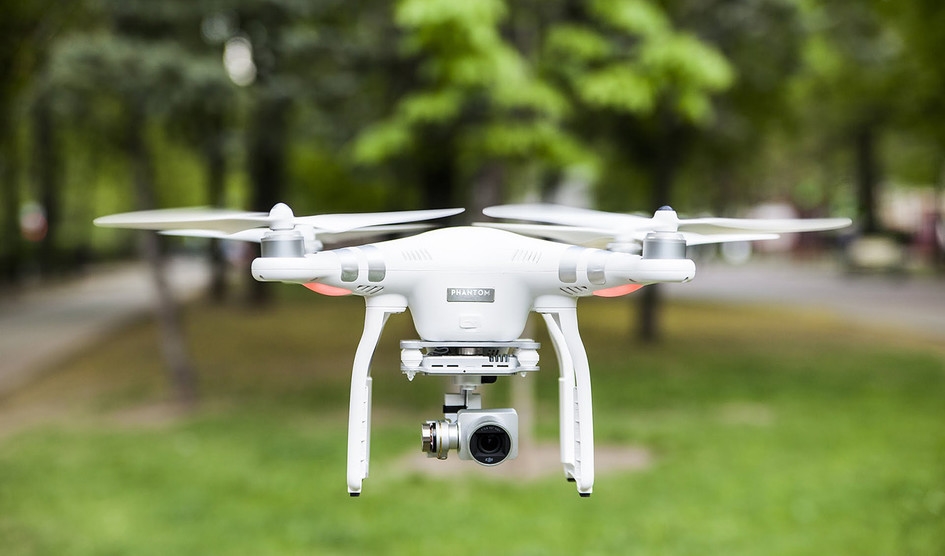
A1: Drones provide unique advantages over traditional methods including safety, speed, efficiency, and access to hard-to-reach areas. However, they may not fully replace humans where detailed manual inspection or adjustments are necessary.
Q2: What types of inspections are drones best suited for?
A2: Drones are best suited for aerial inspections like surveying construction sites, pipeline inspections in oil and gas, and monitoring large agricultural fields.
Q3: How do drones impact inspection costs?
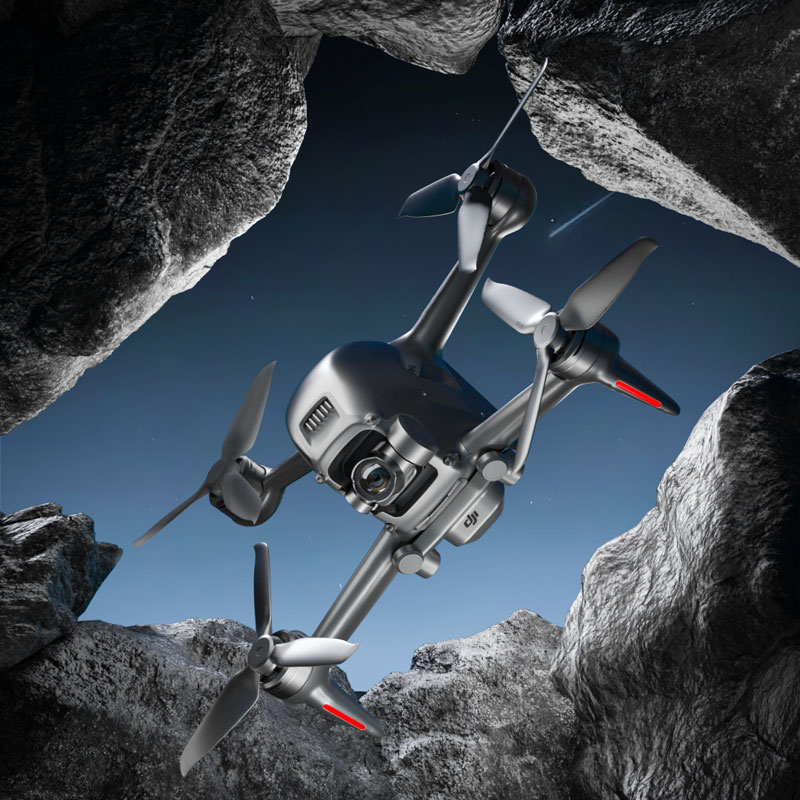
A3: Deploying drones can reduce inspection costs by minimizing labor, travel time, and equipment usage, while providing high accuracy and speed in data collection, thus enhancing operational efficiency.