Step-by-Step Guide to Building Your Own DIY Drone

Creating your own DIY drone can be a thrilling and educational experience. Knowing how to make a drone involves understanding a combination of aerodynamics, electronics, and software. Whether you’re a hobbyist, a tech enthusiast, or a beginner searching to advance in drone technology, this guide will provide the essentials for crafting your personalized aerial vehicle.
Gather the Necessary Components
An integral part of making a drone is sourcing the right components. Here are some fundamental elements needed:
- Frame: The physical structure that holds all parts together. Materials like carbon fiber or plastic are popular choices for their durability and lightweight properties.
- Motors: Opt for brushless motors which are efficient for drones, providing the necessary thrust for takeoff.
- Propellers:
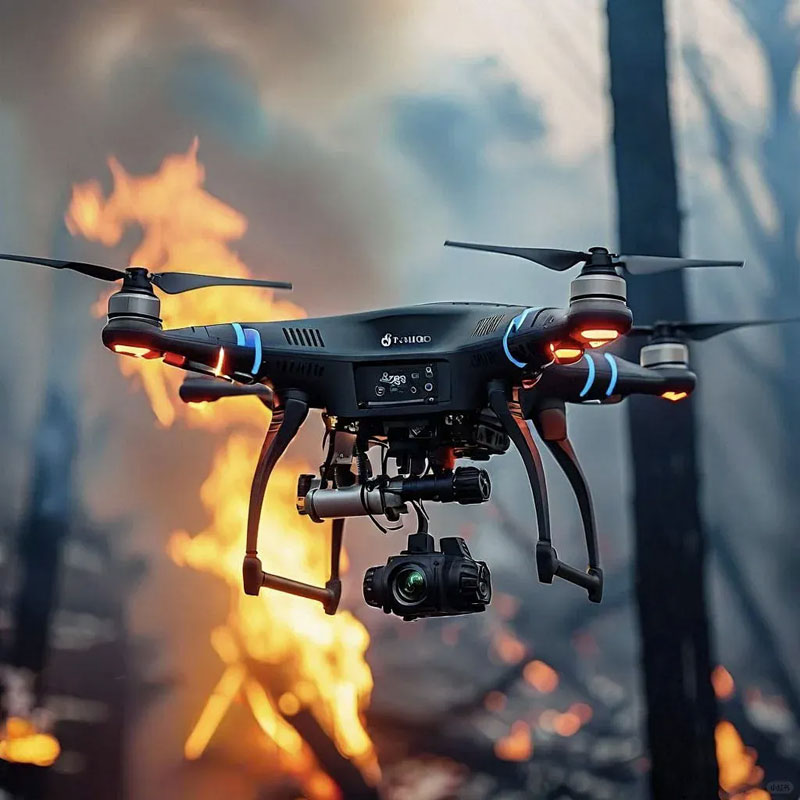 These can vary based on the size and weight of your drone. Ensure they’re well-balanced for smooth flight.
- Electronic Speed Controllers (ESCs): These regulate the motor’s speed, crucial for maintaining steady flight.
- Flight Controller: Consider this the brain of the drone, responsible for processing sensor inputs and controlling motor outputs.
- Battery: A lithium polymer battery is typically chosen for its power efficiency.
Construction and Assembly
Once you’ve acquired components, the next step is assembly. Begin with setting the drone’s frame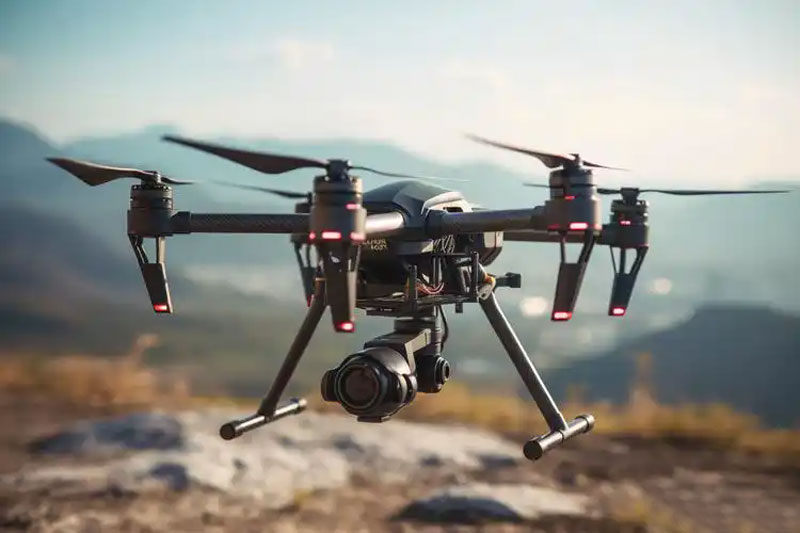 . Secure the motors onto the frame arms ensuring they are tightly fixed to avoid vibrations during flight.
Ensure the propellers align correctly with the motors. Misalignment can result in instability and accidents.
Connect the electronic speed controllers to each motor, linking them to the flight controller. Mount the battery in a central position to maintain weight balance.
A strategically placed flight controller on the frame guarantees optimal performance. Use compatible software such as Betaflight or Cleanflight for initial setups and testing of your drone’s sensors and gyro stabilization.
Flight Testing and Calibration
With assembly complete, proceed to calibrate your drone. This step is crucial as it fine-tunes the drone’s sensors and flight dynamics.
Perform a propulsion test to ensure motors are spinning correctly. Misfires can lead to crashes.
Software calibration involves setting up remote controls, adjusting gyro settings, and performing test flights in safe, open spaces. Gradually test maneuvers and adjust parameters to achieve stable flight.
Exploring Drone Software
To enhance the drone’s capabilities, integrate software features that allow automated flights or tracking systems. Advanced users may experiment with programming languages such as Python to develop custom flight paths.
Safety protocols should always be incorporated when designing any drone software to avoid mishaps.
FAQs on DIY Drone Making
Can I add a camera to my DIY drone?
Yes, most frames allow space for camera mounts. Ensure the flight controller supports video transmission for real-time video streaming.
What if my drone doesn’t take off?
Check connections, propeller alignment, and battery charge. Any discrepancy can affect lift-off.
How can I increase my drone’s flight time?
Lightening the drone’s weight and upgrading to higher capacity batteries can extend flight duration.
Conclusion
Building a drone involves meticulous planning and execution. Following these steps on how to make a drone ensures successful assembly and enjoyable flight experiences. Innovations in DIY drones continue to push boundaries in recreation and functionality, offering endless possibilities.