
Drone videography has become a game-changer in capturing breathtaking aerial footage, offering perspectives that were once impossible to achieve. In recent years, drones have revolutionized the videography industry, making it more accessible and creative. If you’re looking to unlock the full potential of drone videography, here are some tips and techniques to elevate your skills and create stunning visual content.
Understanding Drone Technology
Before embarking on your drone videography journey, it’s essential to have a solid grasp of drone technology. Knowing how drones work, their capabilities, and limitations will help you make informed decisions during filming. Familiarize yourself with the drone’s camera settings, battery life, and flight controls. Modern drones come equipped with advanced features like obstacle avoidance and autonomous flight modes, which can significantly aid in capturing smooth and professional footage.
Choosing the Right Drone
The market is flooded with various types of drones, each designed for different purposes—whether it’s action sports videography or cinematic film production. When selecting a drone, consider factors such as camera quality, flight stability, and ease of control. For high-quality drone videography, look for drones that offer 4K video resolution and have a three-axis gimbal for stabilization. Some popular models include DJI Phantom 4 Pro, Mavic 2 Pro, and Autel Robotics Evo, which provide excellent video capabilities.
Planning Your Shots
Good planning is a cornerstone of successful drone videography. Pre-planning your shots allows you to maximize battery life and capture the most critical scenes efficiently. Utilize apps and maps to scout locations and understand the layout—look for unique angles and consider the lighting conditions at different times of the day. Creating a storyboard or shot list is beneficial, ensuring you capture all the essential footage and have a coherent visual narrative.
Mastering Drone Movement
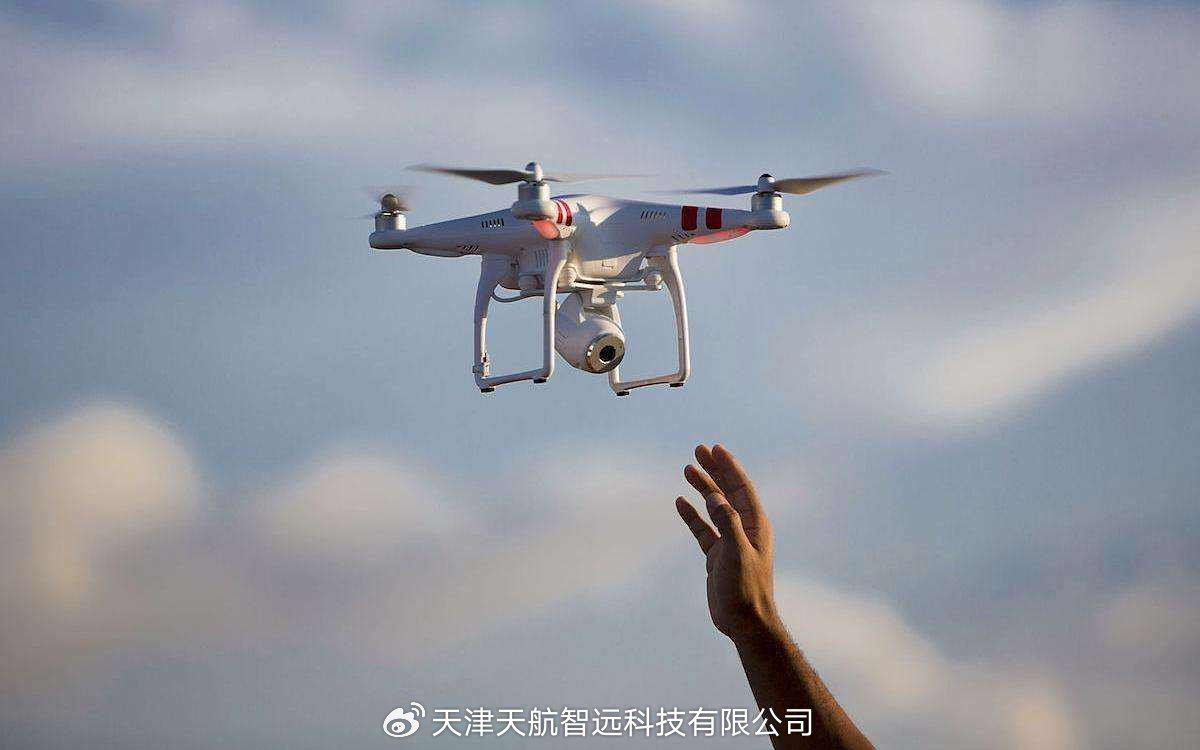
Learning how to maneuver your drone smoothly is crucial for engaging video content. Practice various flight techniques like panning, tracking, and orbiting your subject to add dynamism to your videos. Implement gentle movements and controlled speeds for cinematic effects, avoiding sudden jerks or rapid changes in altitude. Experiment with combining different movements to create unique footage that captivates the viewer.

Editing Your Footage
Post-production is where your drone videography can truly shine. Editing software such as Adobe Premiere Pro or Final Cut Pro offers powerful tools to enhance your footage. You can adjust colors, add transitions, and synchronize your video with music to set the desired mood. Be mindful of maintaining consistency in your edits—keep the pacing smooth and ensure the finished product aligns with your initial vision.
Adhering to Regulations
Drone videography is subject to various laws and regulations depending on the location. Keep updated with the local rules, including registration requirements and flying restrictions. Ensure you have permission for commercial projects and always prioritize safety by not flying in prohibited areas or interfering with manned aircraft.
Innovative Techniques
As the field of drone videography evolves, staying up-to-date with cutting-edge techniques can set your work apart. Utilize HDR video settings for high-contrast scenes and try out hyperlapse for creative distortions of time. Embrace software features such as automated flight paths and focus areas for precision and creativity. Advanced techniques like photogrammetry can even allow you to create 3D maps, expanding the storytelling possibilities.
FAQs on Drone Videography
- What is the best time of day to shoot with a drone?
Golden hour—shortly after sunrise or before sunset—is ideal for drone videography. The soft lighting adds warmth and depth to the footage.
- Do I need a license to fly a drone for videography?
In many countries, operating a drone commercially requires a license or certification. Check your local aviation authority’s regulations.
- How can I ensure the safety of my drone during flight?
Always perform pre-flight checks and keep an eye on weather conditions to prevent accidents. Use the drone’s built-in safety features and avoid risky maneuvers.