
Unlocking the Future of Technology
The world of technology is ever-evolving, and one of the most exciting developments in recent years has been the advancement of flying drones. These high-tech devices are opening up a new realm of possibilities across various industries, from agriculture to filmmaking, and are rapidly changing the way we do things. In this article, we’ll explore the innovative applications and future potential of flying drones.
The Versatility of Flying Drones
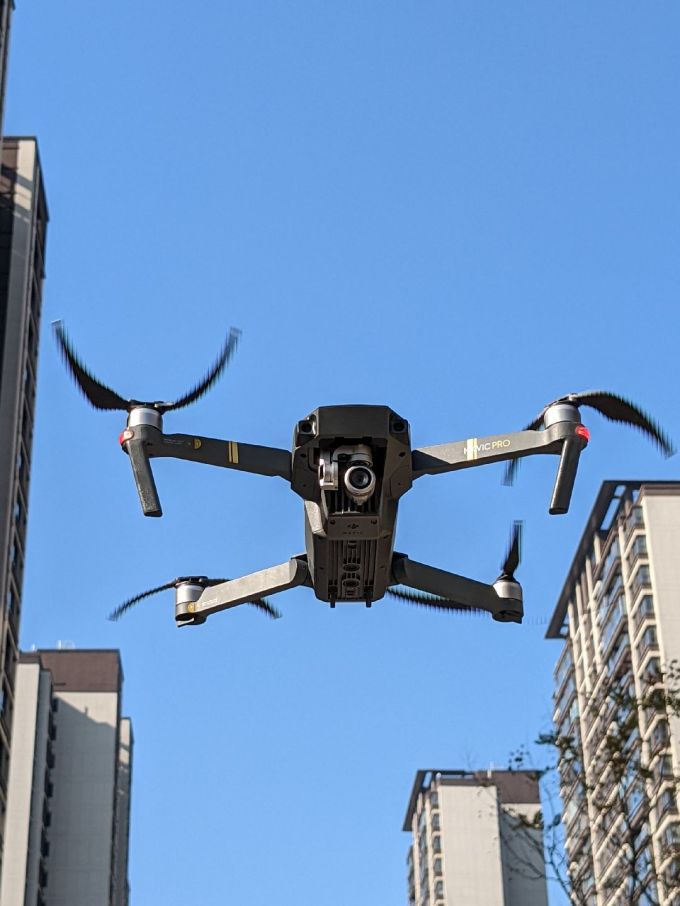
Drones, also known as unmanned aerial vehicles (UAVs), come in many shapes and sizes and are equipped with various capabilities. Initially used primarily for military purposes, drones have now become indispensable tools in commercial and recreational applications. With their ability to fly autonomously or be piloted remotely, drones have found utility in numerous fields.
1. Agriculture
One of the most promising applications of flying drones is in precision agriculture. Farmers can use drones to monitor crops, assess health, and optimize yields with minimal human intervention. Drones equipped with advanced sensors can collect data on soil health, plant growth, and water distribution, enabling farmers to make informed decisions and improve productivity.
2. Filmmaking and Photography
The film and photography industries have been revolutionized by the use of drones. They offer unique aerial perspectives that were once difficult or impossible to capture. From breathtaking landscape shots to dynamic action sequences, drones have expanded the creative possibilities for directors and photographers, making them an essential tool in their arsenal.
3. Delivery Services
Perhaps most exciting is the potential for drones to transform delivery services. Companies like Amazon and UPS are already testing drone delivery systems that promise to reduce delivery times and costs. Drones can reach remote areas, navigating through traffic and obstacles, and deliver packages within a matter of minutes. This breakthrough could revolutionize e-commerce and logistics.
Regulations and Challenges
Despite the immense potential of flying drones, there are several regulatory and technical challenges to overcome. Many countries have strict laws governing the use of drones to ensure safety and privacy. As drones become more prevalent, it is crucial to establish clear guidelines to address concerns such as airspace restrictions, privacy issues, and noise pollution.
Technical Limitations
Another significant challenge is the technical limitations of drones. These include limited battery life, payload capacity, and vulnerability to weather conditions. Innovations in battery technology and materials may help surmount these hurdles, but it remains a barrier to widespread adoption.
The Future Outlook
The future of flying drones looks promising, with the market expected to grow exponentially in the coming years. As technology advances, drones will become more accessible, versatile, and intelligent, leading to even more groundbreaking applications. From autonomous drone taxis to medical supply deliveries in inaccessible areas, the possibilities are endless.
FAQs
- What industries are most likely to be impacted by flying drones?
- The industries most likely to benefit from drones include agriculture, delivery services, filmmaking, and infrastructure inspection, among others.
- Are there privacy concerns with the use of drones?
- Yes, privacy is a significant concern with drones, as they can capture images and data from private properties. Regulations are in place to ensure responsible use.
- How can drones be used in emergency services?
- Drones can be used for search and rescue operations, delivering medical supplies, and assessing disaster zones quickly and efficiently, greatly aiding emergency response efforts.