
Flying a drone is an amazing hobby that opens up new vistas and creative opportunities. But what happens when you want to travel? “Can you bring a drone on a plane?” The answer is generally yes, but there are some important guidelines to follow when packing and flying with your drone. In this article, we’ll explore some essential tips and tricks to ensure a smooth journey with your high-tech equipment.
Guidelines for Flying with Drones
Most airlines permit drones in either carry-on or checked luggage, though carrying them onboard is often recommended to prevent damage. Before heading to the airport, it’s crucial to verify your specific airline’s rules and the aviation regulations of your destination. Airlines usually require that the drone’s batteries be carried in carry-on luggage. Lithium batteries are considered hazardous due to their potential to catch fire. Therefore, familiarize yourself with these guidelines as the FAA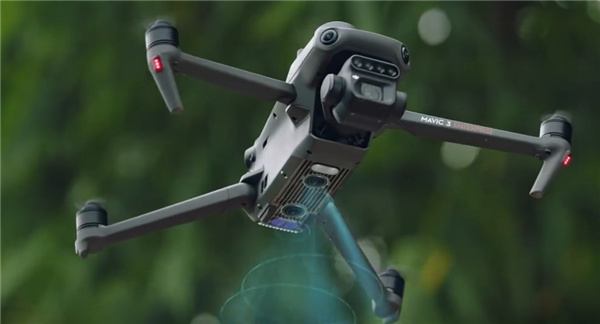 and other regulatory bodies have stringent policies.
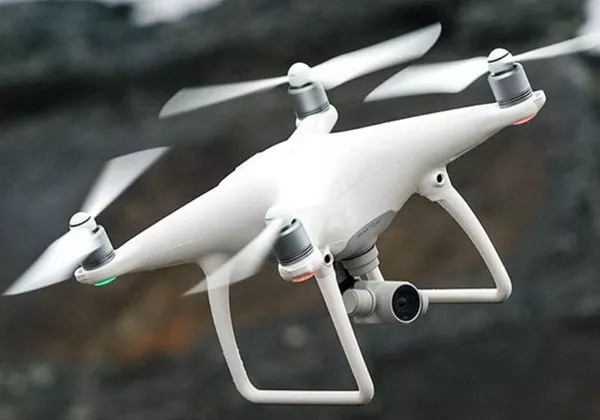
Battery Safety and Regulations
When it comes to batteries, most regulations state they must be individually protected to avoid short circuits. Using the original packaging or covering battery terminals with tape can be effective. Typically, you’re allowed to carry lithium-ion batteries with a rating of up to 100 watt-hours. If your batteries exceed this limit, you’ll need special permission from the airline. Always check in advance to prevent unexpected challenges at security checkpoints.
Transportation Considerations
When flying with a drone, consider using a sturdy and padded carrying case. These cases are essential not only for protection against physical damage but also for organizing your drone equipment, including propellers and controllers. Furthermore, airline staff may request to inspect your equipment, so an organized case can expedite this process.
Customs and International Travel
Traveling internationally with a drone can be complicated due to varying laws and regulations from country to country. Some nations have strict drone policies or require special permits to fly and even to import drones. Research your destination’s drone regulations to avoid possible confiscation at customs, or facing fines. An overview of global drone regulations can often be found on government or travel advisory websites.
Insurance and Liability
Consider obtaining insurance coverage for your drone, especially when traveling. Policies can cover damage during transit or legal issues that arise from the operation of the drone. Many brand-specific and third-party insurances offer flexible packages suited for travelers.
Understanding Airline Policies
Besides checking airline regulations, contacting your airline directly about any nuances regarding traveling with drones can preempt any friction on travel day. Customer service can provide advice tailored to their specific regulations and practices, ensuring your journey is as hassle-free as possible.
FAQs: Common Drone Travel Concerns
Can all airlines allow drones onboard?
While most airlines do allow drones as carry-ons, some carriers may have different restrictions. It’s always advisable to check in advance.
What is important to consider about drone batteries?
Lithium batteries must typically be stored in carry-on luggage. Ensure they are properly protected to prevent short circuits and clarify any airline-specific limitations.
What if my destination has strict drone laws?
Research and comply with all local drone regulations. Ignoring them could result in fines, confiscation, or legal issues. Always stay informed about the current laws of your destination.