
Unmanned aerial vehicles, commonly known as drones, comprise advanced technology, allowing them to fly autonomously or be controlled remotely. The question, “what are the drones in the sky?” leads us to examine their applications, impact, and potential for future development.
Types of Drones and Their Uses
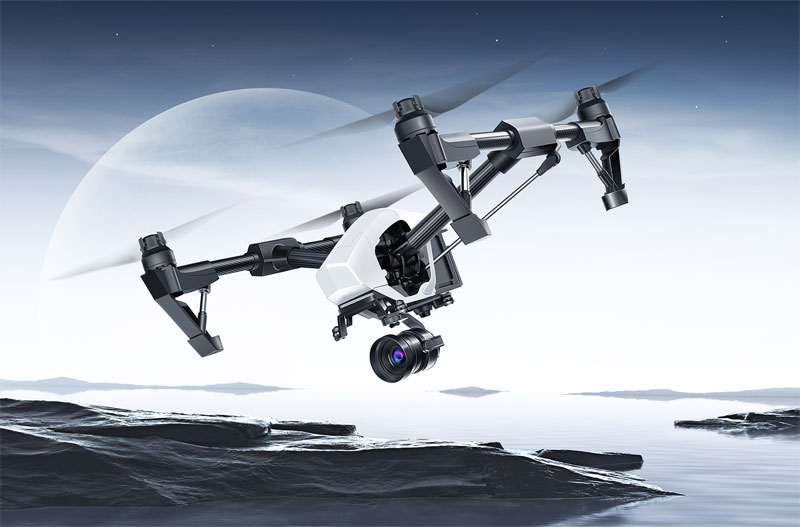
Two main categories of drones dominate the market: consumer drones and commercial drones. Consumer drones often serve recreational and hobbyist purposes, equipped with cameras for capturing aerial photographs or videos. These devices are operated using smartphone apps or handheld controllers, popular among photography enthusiasts.
- Photography and Videography: High-resolution cameras on drones allow for stunning aerial shots, opening new avenues in film and media production.
- Environmental Monitoring: Drones help scientists assess ecological changes and monitor wildlife, contributing to conservation efforts.
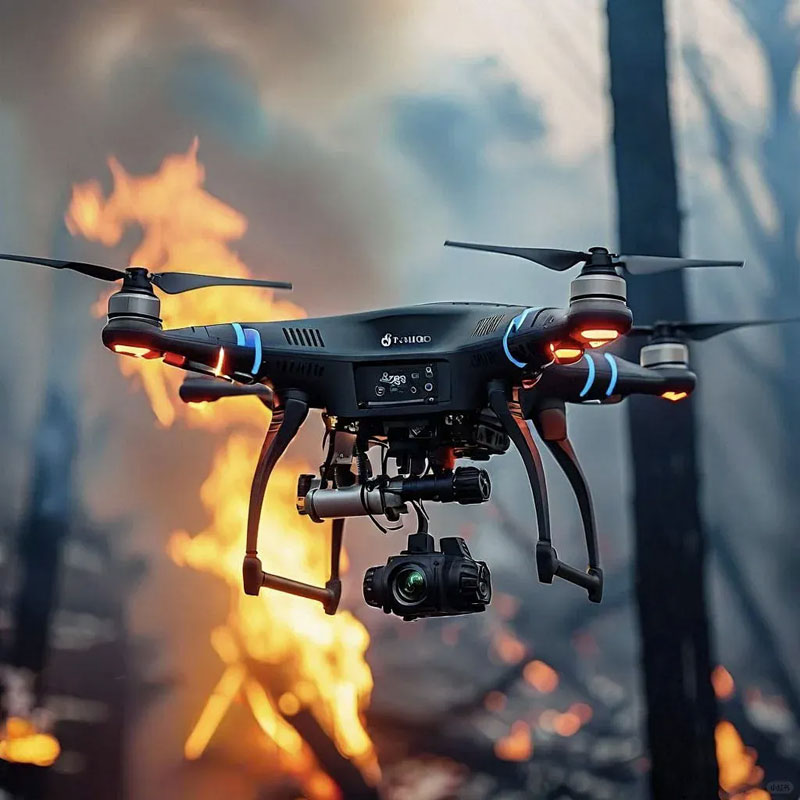
Commercial drones cater to industries demanding more robust applications. From agriculture to logistics, drones offer substantial advantages:
- Agriculture: Drone technology optimizes crop monitoring, pest control, and irrigation management, improving yields and resource efficiency.
- Delivery Services: Companies like Amazon explore drone capabilities for delivering packages, promising rapid and efficient delivery systems.
Technological Advancements and Drones
The progression within drone technology is astounding, integrating AI and machine learning to enhance functionality. Features such as obstacle detection, pathfinding algorithms, and GPS navigation systems have advanced remarkably. Moreover, regulations surrounding drone usage continue evolving to balance innovation with security and privacy concerns. Drone operators must adhere to guidelines governing altitude limits, flight paths, and no-fly zones to ensure safe airspace operations.
From mapping to emergency response, drones offer versatility unparalleled in traditional methods. Although challenges like battery life and regulatory constraints exist, advancements in autonomous flight systems promise exciting developments.
Understanding Drone Regulations
The skyrocketing interest in drones has prompted regulatory bodies worldwide to establish rigorous frameworks managing civilian and commercial drone operations. Organizations such as the Federal Aviation Administration (FAA) in the U.S. require drone registration and mandate specific operator certifications.
Drones must comply with laws concerning data protection and flight safety, particularly when navigating densely populated areas. As regulators strive to harmonize advancement with responsibility, the future of drones lies in balanced and ethical policy making.
Future Predictions for Drone Growth
The potential for drones is vast, with predictions indicating expanded roles in smart cities, increased efficiency in supply chains, and contributions to scientific research. Innovative forms of interaction between drones and urban areas will propel society into new age efficiencies.
Ultimately, understanding the multifaceted applications of drones offers insight into their transformative role in modern technology.
FAQs on Drone Technology
- How do drones impact the environment?
- Drones assist environmental studies, allowing researchers to gather data efficiently, although considerations about wildlife disturbances persist.
- Are drones safe for commercial use?
- Yes, when operated under established guidelines, drones significantly enhance operational safety, though ongoing advancements continually improve these practices.

As their usage proliferates, drones are reshaping industries, prompting a reconsideration of perspectives on airspace and automation. With technology continuously advancing, the skies may well be the domain of these mechanical pioneers.