
What Makes Drone Propellers Important?
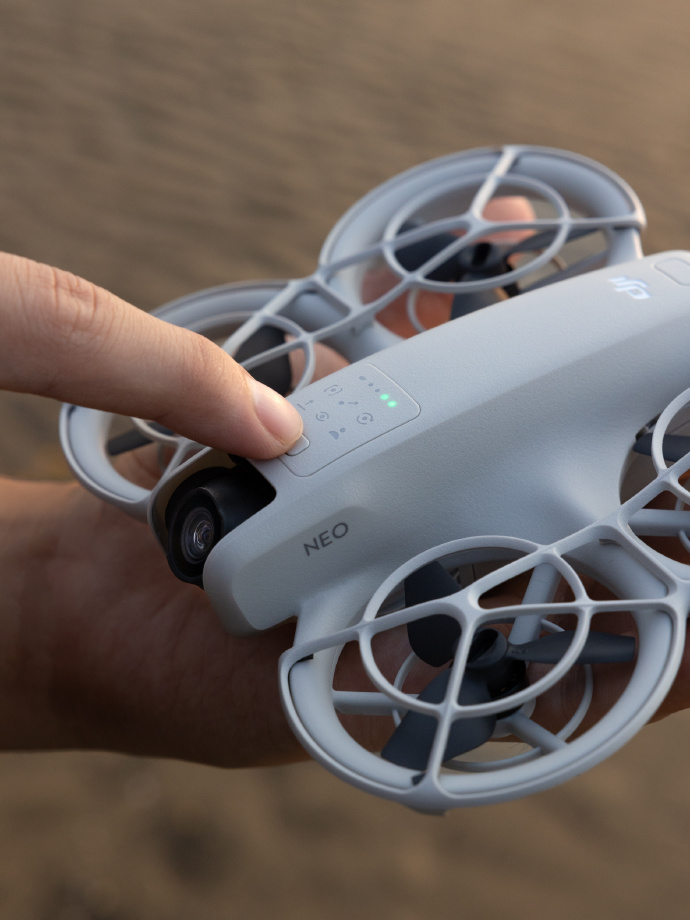
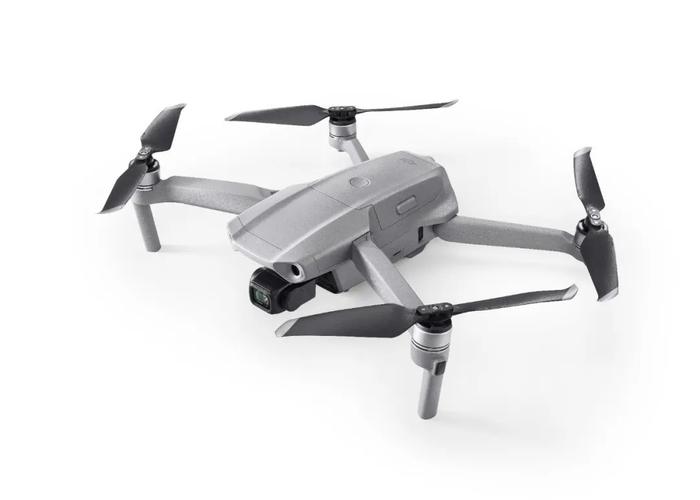
Drone propellers essentially create the thrust that allows a drone to lift and maneuver. Without effective propellers, drones wouldn’t be able to soar the skies with precision. A deeper examination of drone propellers reveals various types, each crafted for specific flight requirements. It’s imperative to select propellers that align with your drone’s design and intended application to optimize flight performance.
Types of Drone Propellers
- Two-Blade Propellers: Known for their lightweight design, they provide good speed and are suitable for racing drones.
- Three-Blade Propellers: Offering a balance between thrust and efficiency, these propellers are favored by hobbyists for their enhanced control.
- Four-Blade Propellers: These are often used when stability is a priority, as they offer more lift but less speed.
Choosing between these propellers is largely dependent on the drone’s purpose – whether speed, stability, or lift takes precedence. Experimenting with different configurations can provide valuable insights into achieving optimal performance.
Furthermore, the material composition of drone propellers is crucial. Common materials include plastic, carbon fiber, and wood. Carbon fiber, while more expensive, offers unparalleled strength and lightweight features, reducing stress on drone batteries and enhancing flight duration. Contrastingly, plastic propellers are more affordable, yet they might compromise on durability compared to their carbon fiber counterparts.
How Does Propeller Size Affect Flight?
Propeller size directly influences the drone’s lift and thrust capacities. Larger propellers can generate more thrust and lift, beneficial for heavy drones or those carrying significant payloads. However, they might reduce flight speed and increase power consumption, demanding a power-packed battery for extended flights. On the other hand, smaller propellers provide quick thrust for agile maneuvers, ideal for racing drones.
| Propeller Type | Main Use |
|---|---|
| Two-Blade | Speed and Racing |
| Three-Blade | Balanced Control |
| Four-Blade | Greater Stability |
The choice of propeller size should also consider environmental conditions. For instance, windy conditions might require larger propellers to maintain stability, whereas calm weather can allow for lighter, smaller propellers to capitalize on speed and maneuverability.
Optimizing Drone Propeller Set-Up for Best Performance
Ensuring your drone’s propeller set-up is optimized involves regular maintenance and inspection. Frequent checks for wear and tear can prevent unexpected malfunctions during flight. Balancing propellers is another crucial step, minimizing vibrations and ensuring smooth flight transitions.
- Regular Inspection: Check for cracks or damages.
- Propeller Balancing: Use a propeller balancing tool for accurate alignment.
- Material Consideration: Assess the need for upgrading to sturdier materials such as carbon fiber.
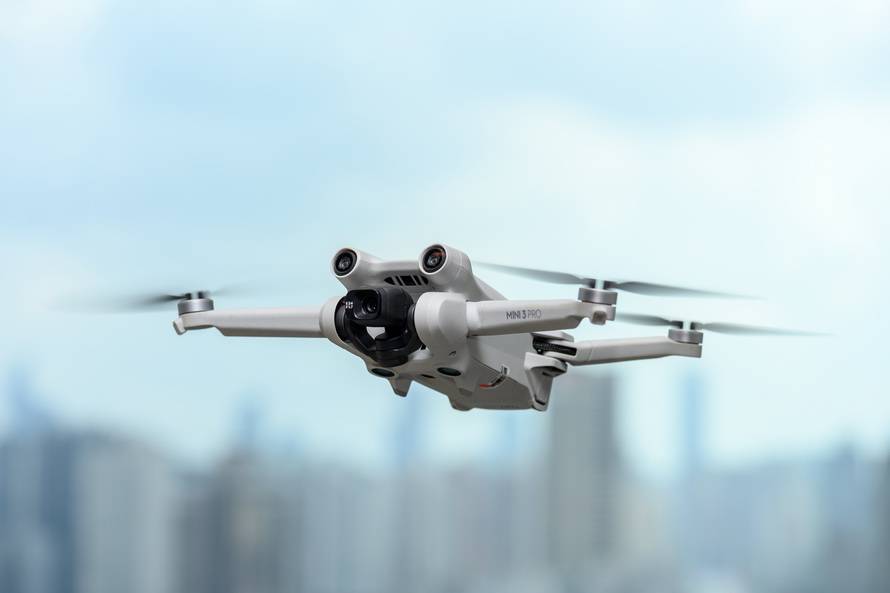
Staying up-to-date with technological advancements in propeller designs can also offer new ways to enhance drone performance. Innovative materials and aerodynamic designs are regularly introduced, providing opportunities to further boost efficiency and flight prowess.
FAQs
Q: Can I use any propeller for my drone?
A: It’s essential to select propellers that match your drone’s specifications and flight requirements to ensure safe and optimal performance.
Q: How often should I replace my drone propellers?
A: Replacement frequency depends on usage; however, typically it’s wise to check them after every significant flight for signs of wear.
Q: Do propeller materials affect flight time?
A: Yes, lighter materials reduce battery consumption and can extend flight time.